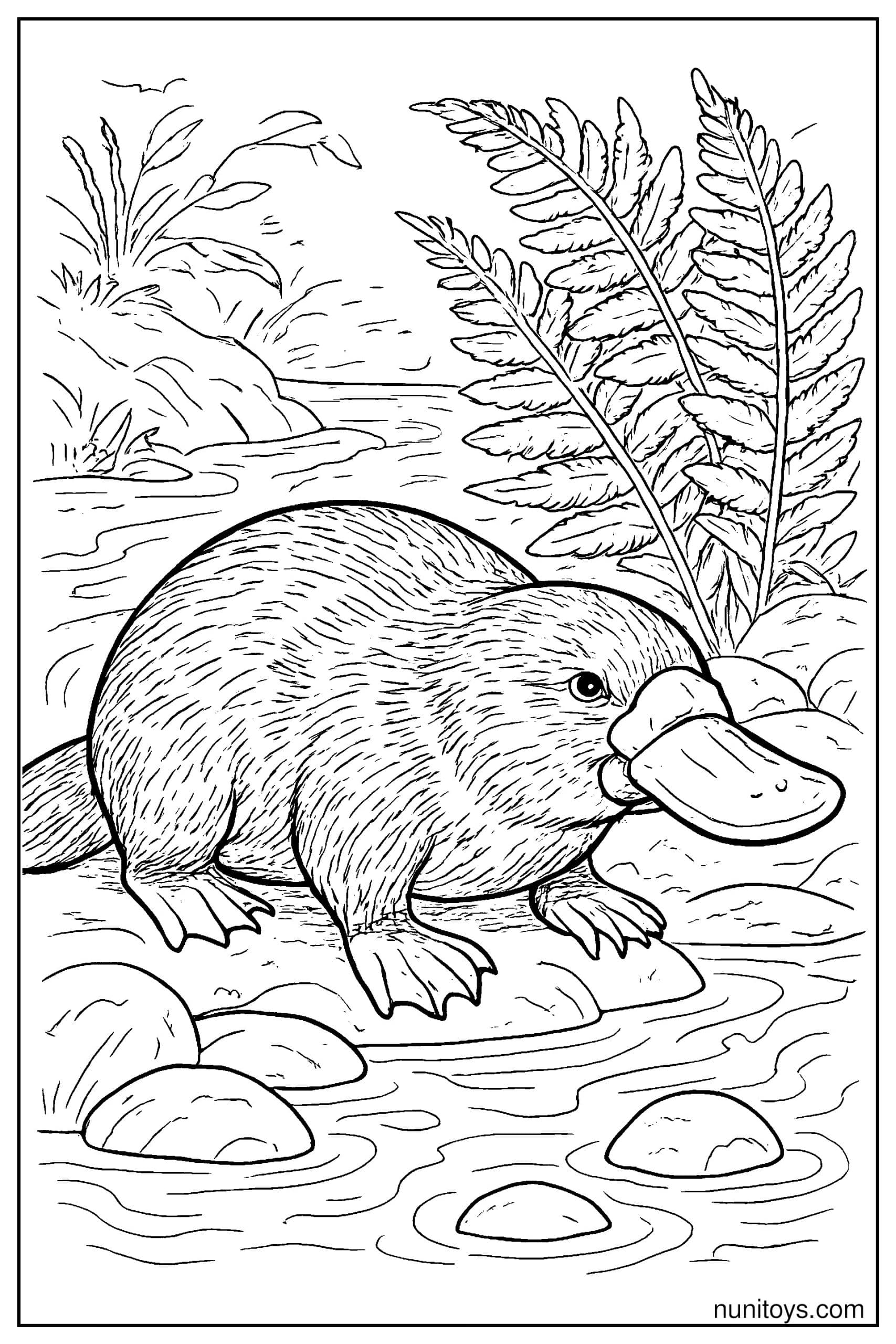
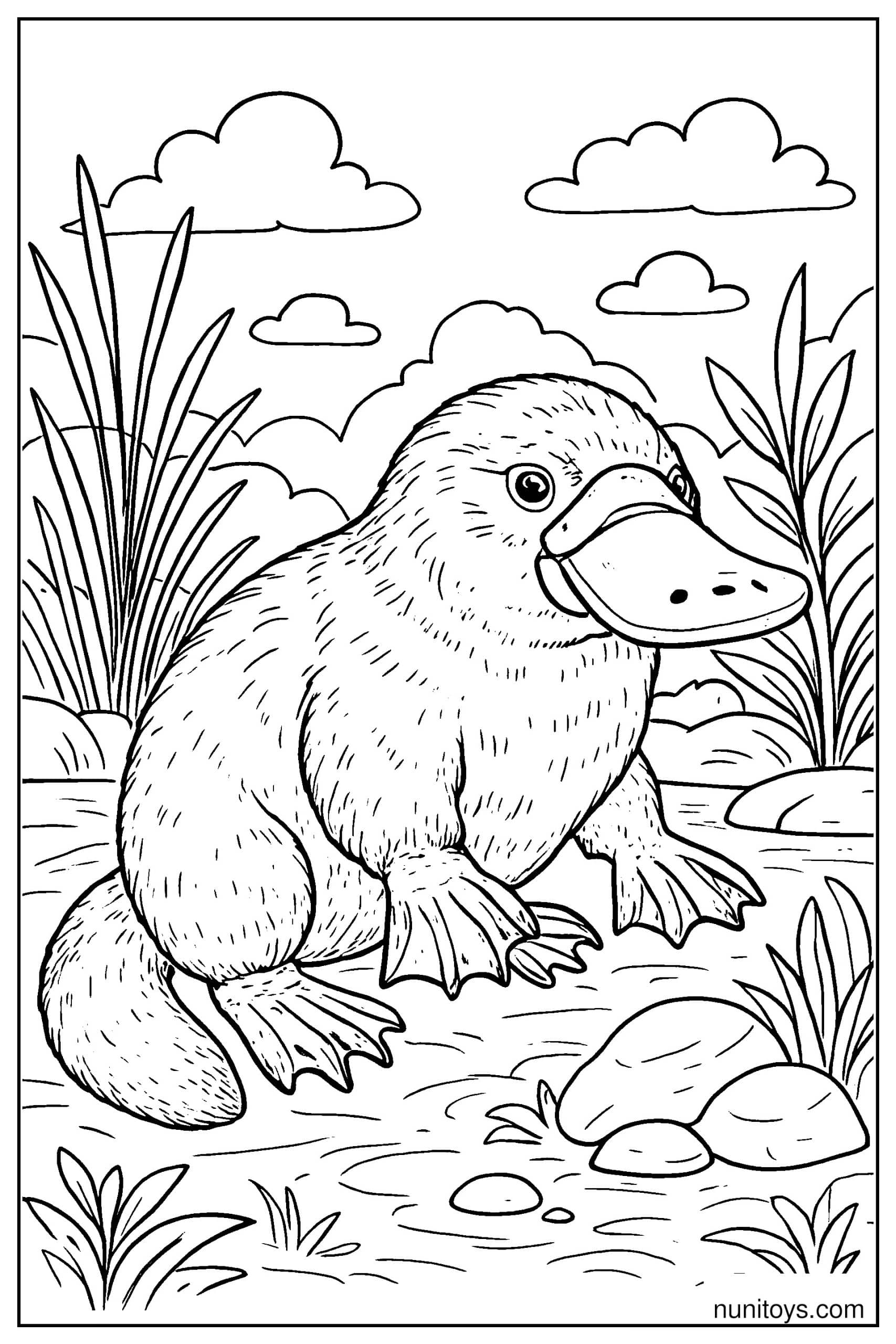
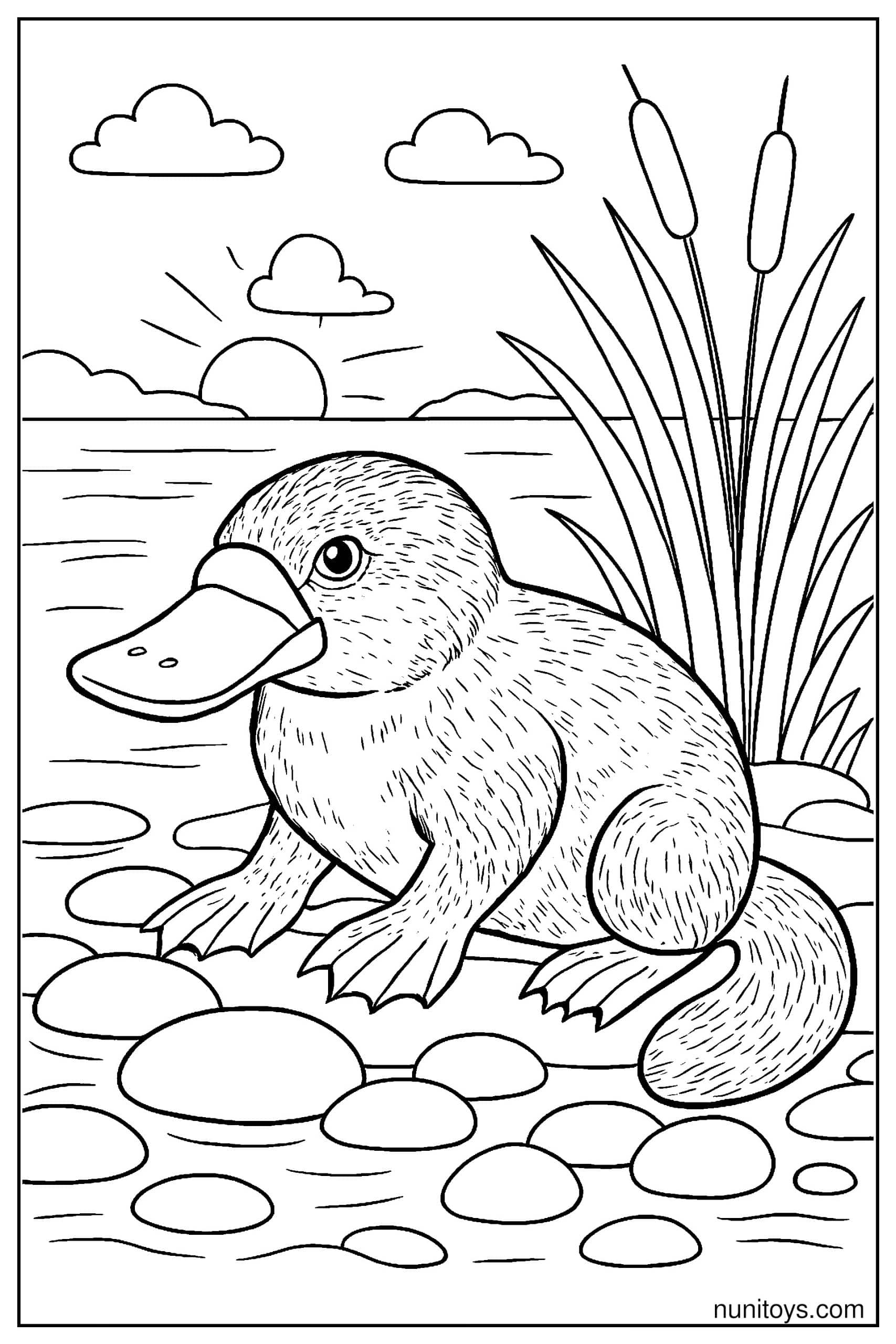
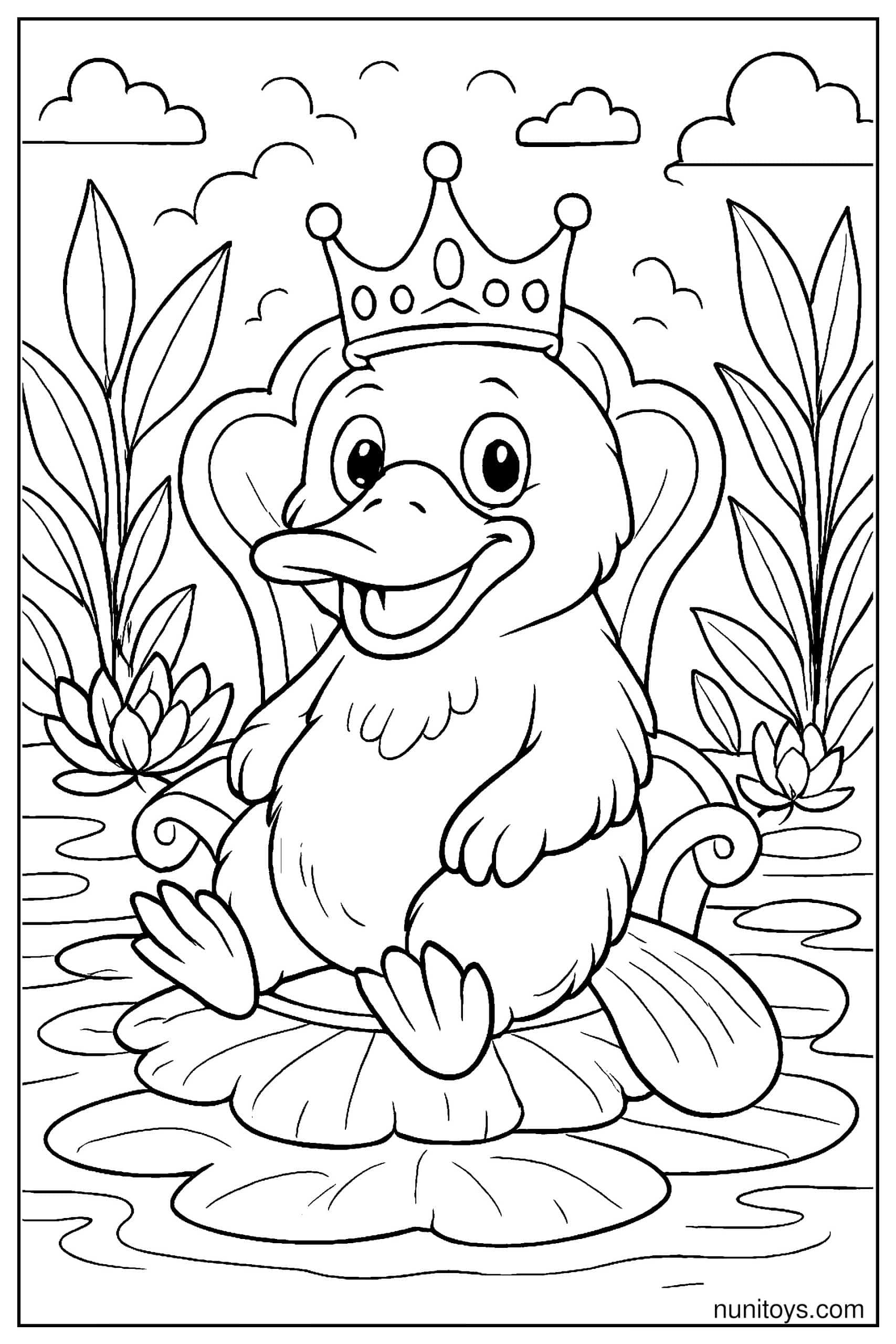
6 Creative Craft Ideas to Do With Platypus Coloring Pages
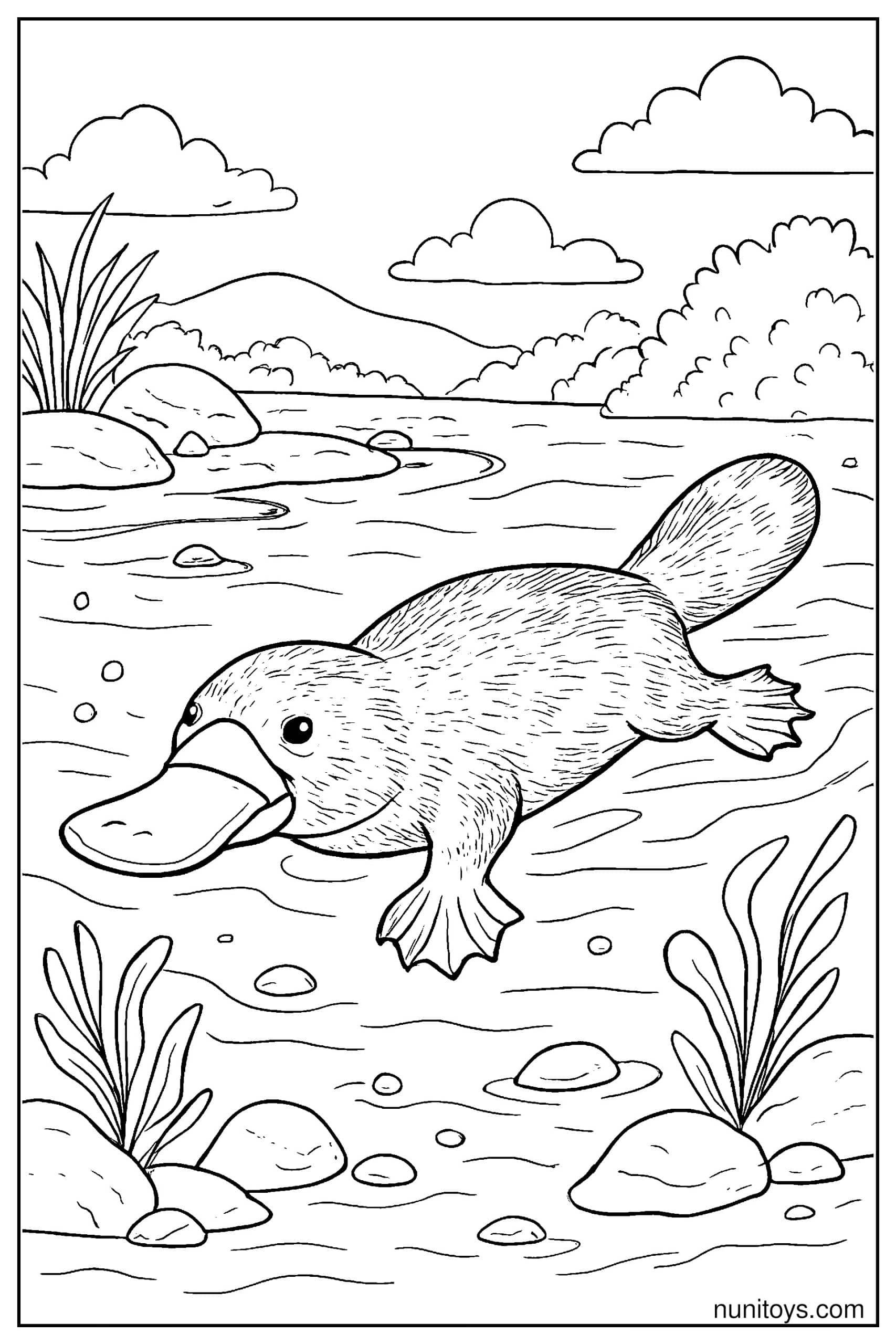
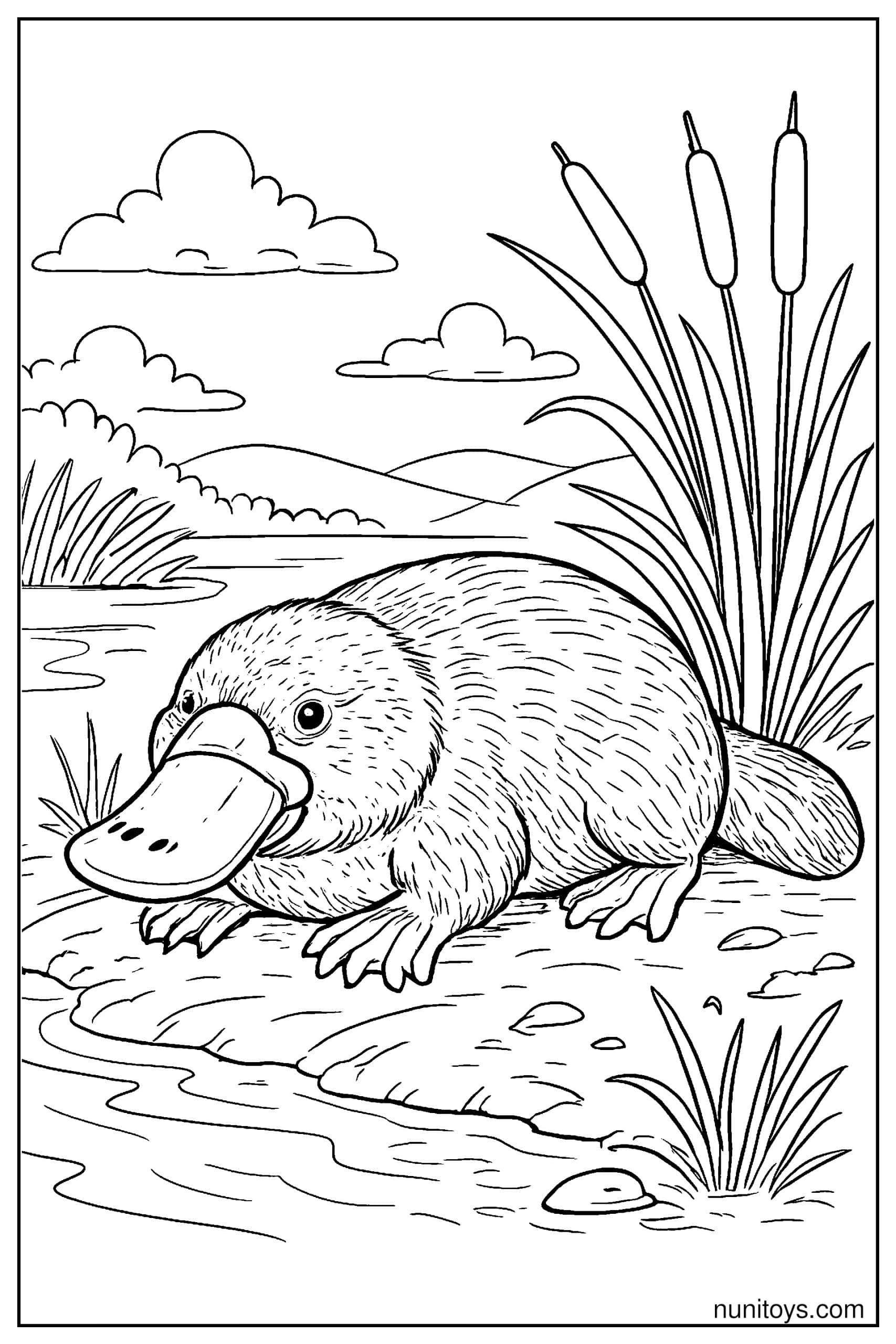
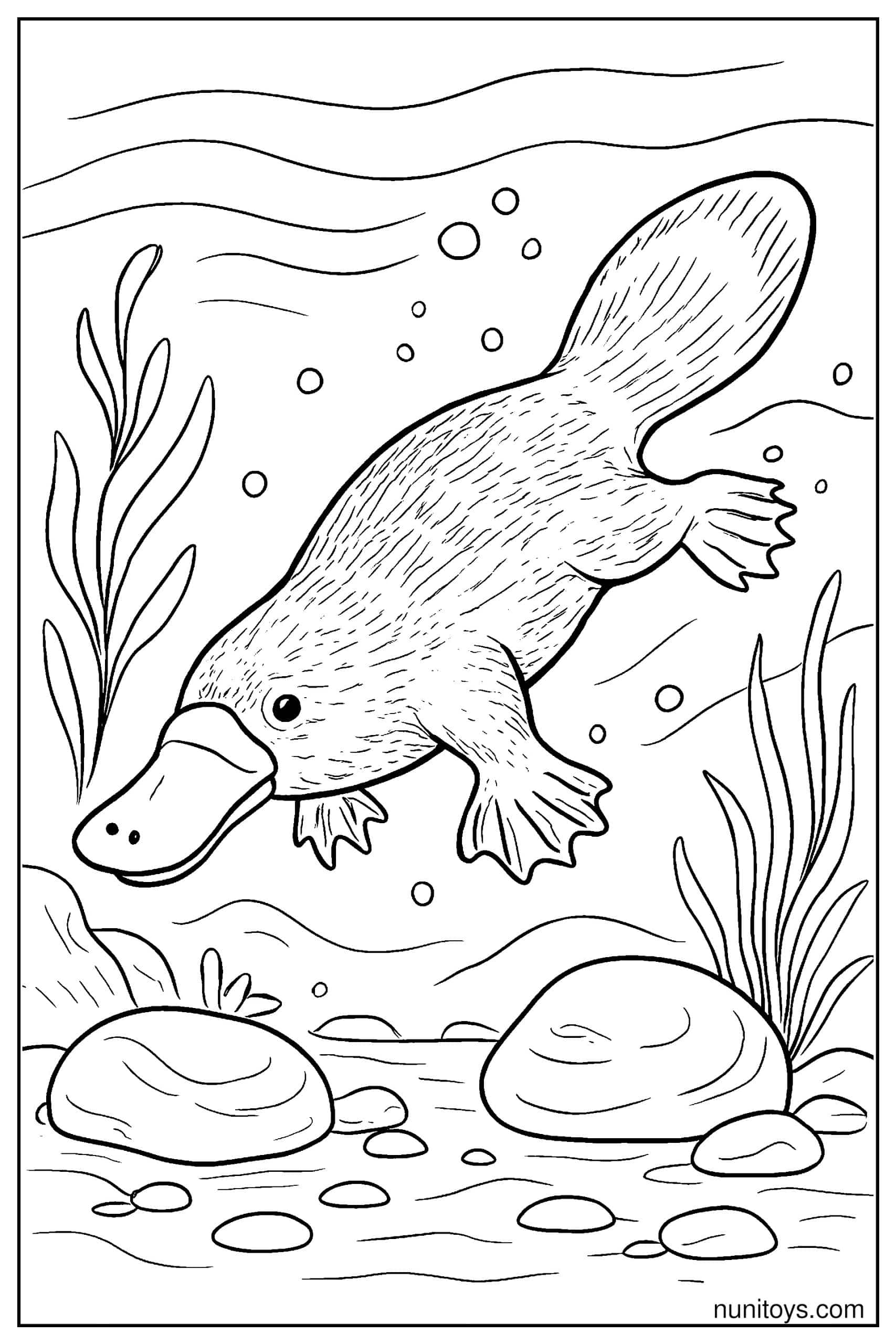
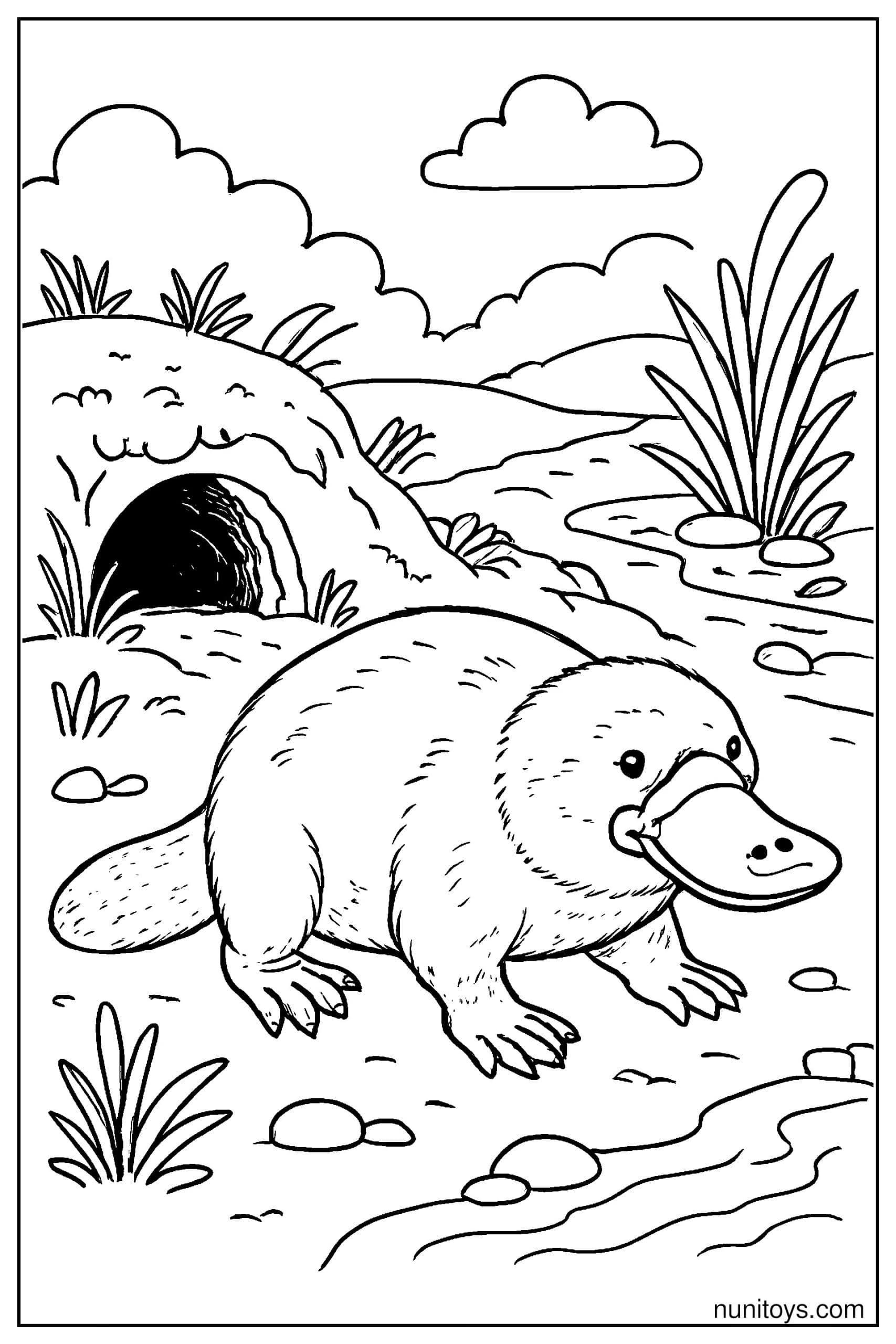
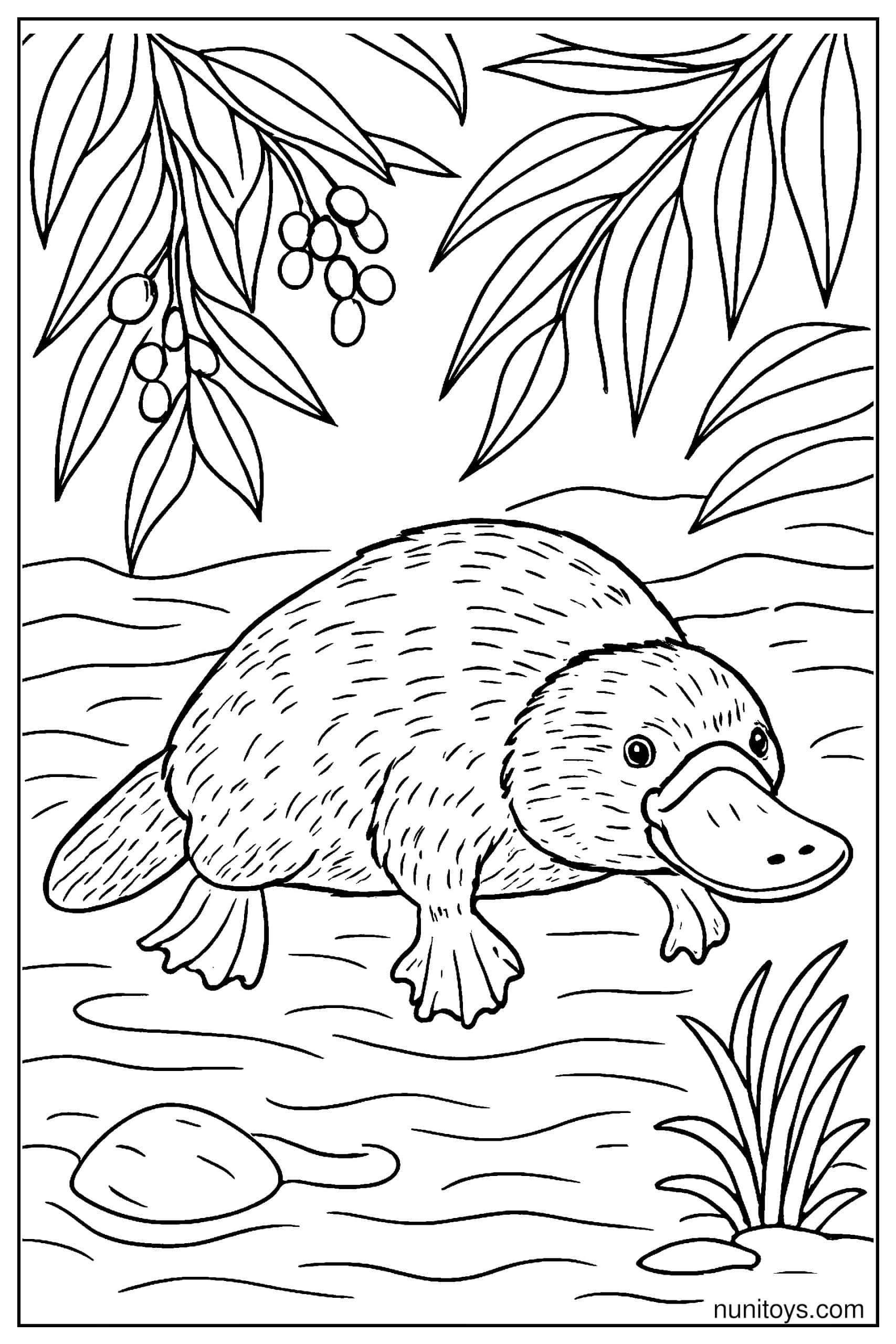
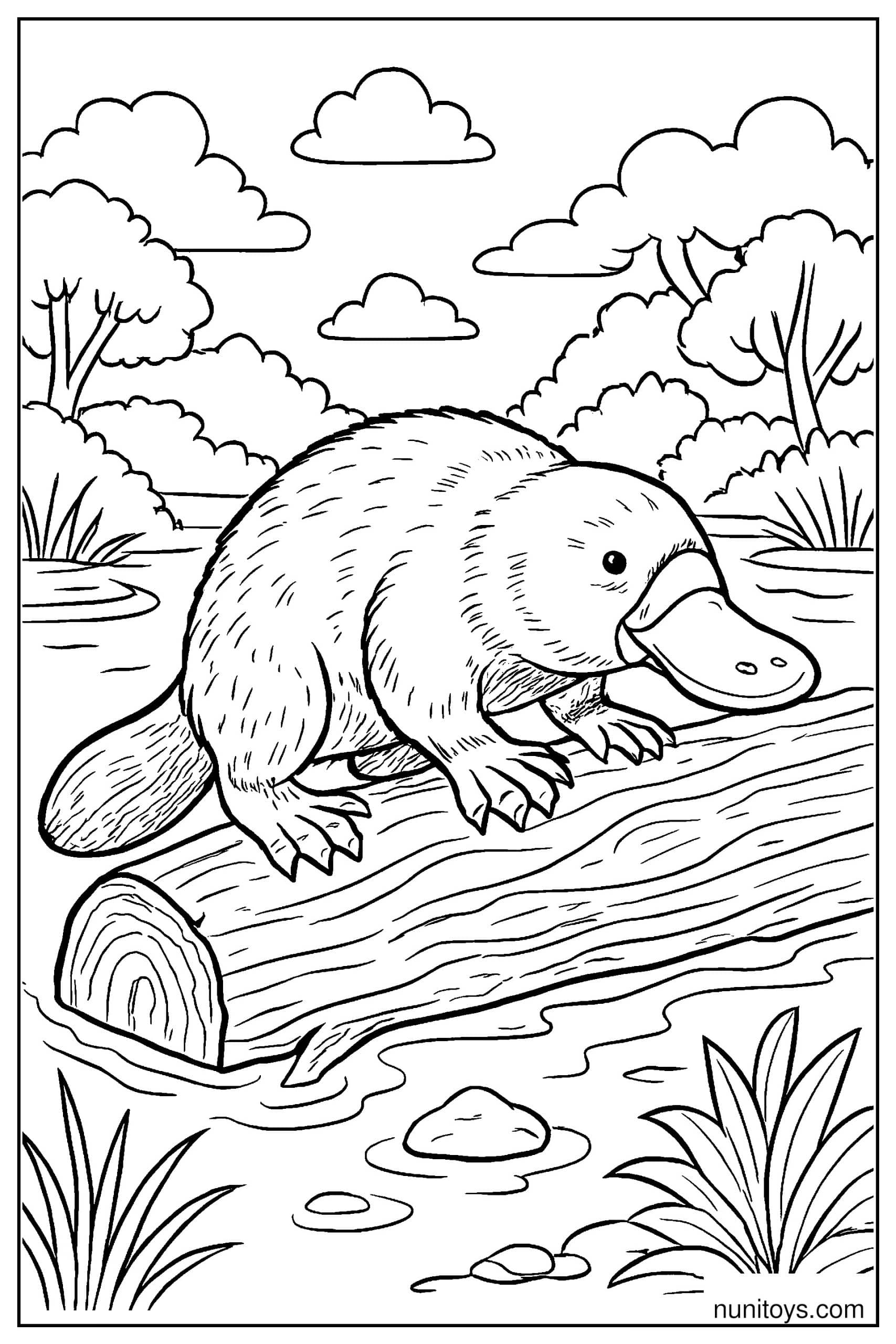
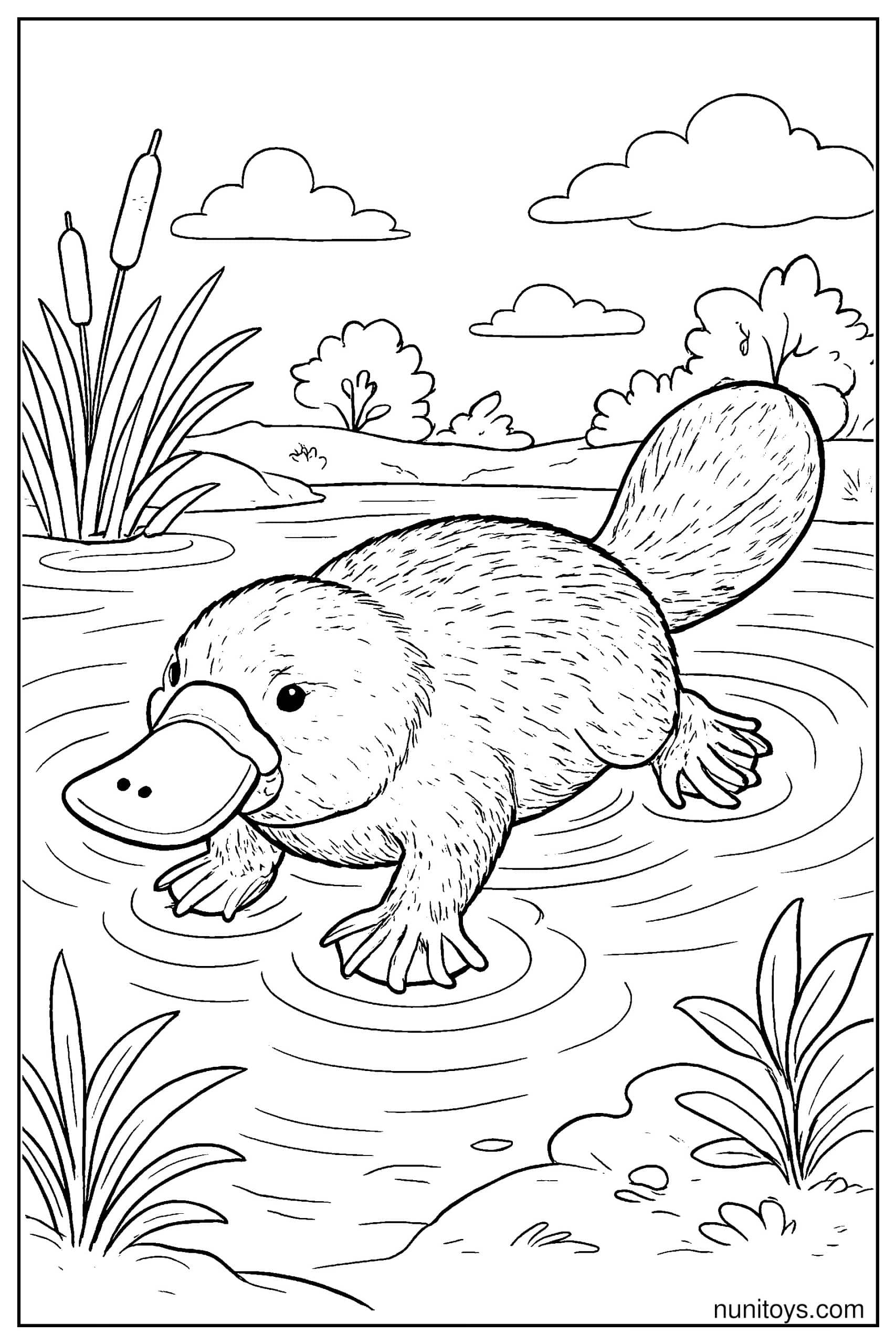
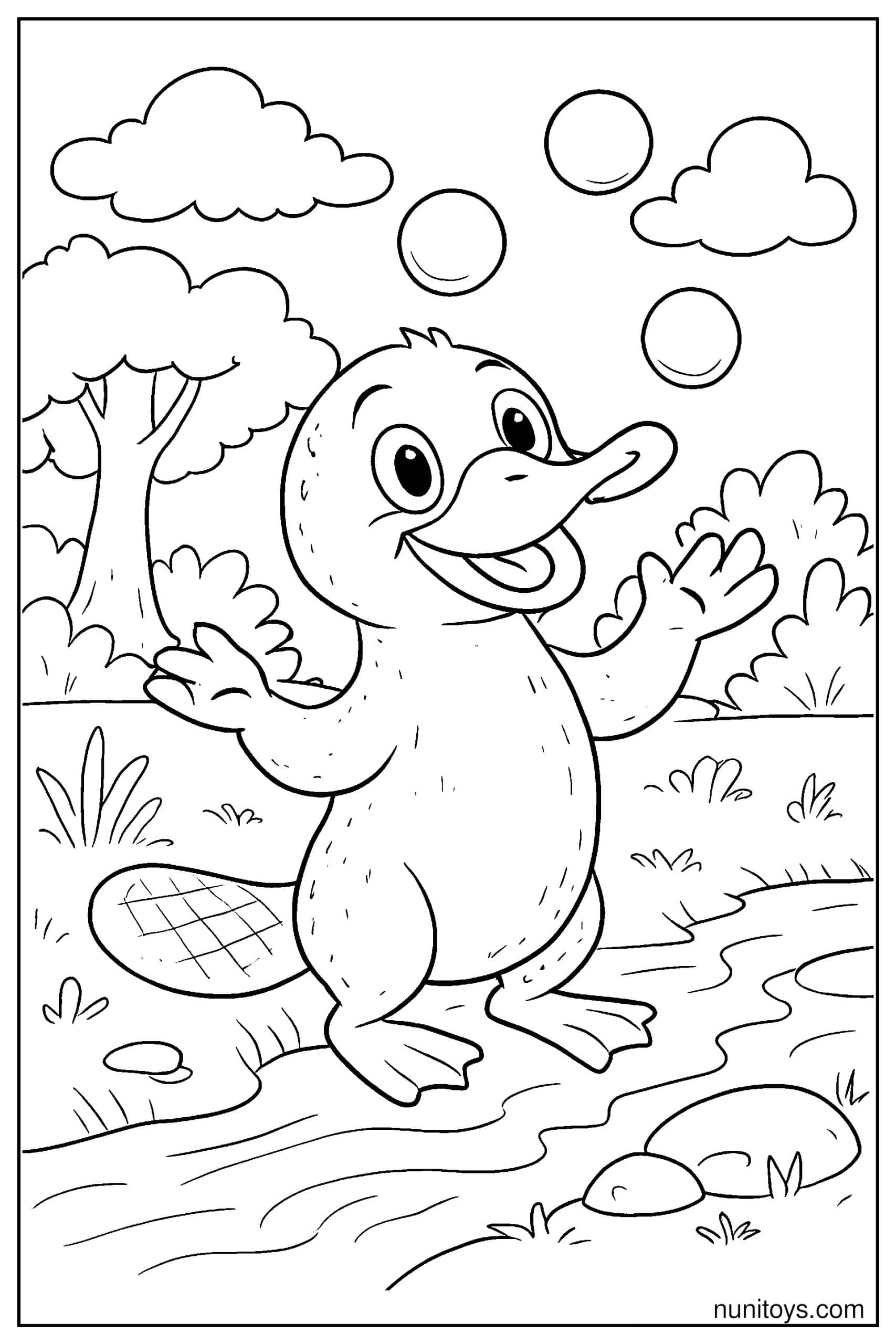
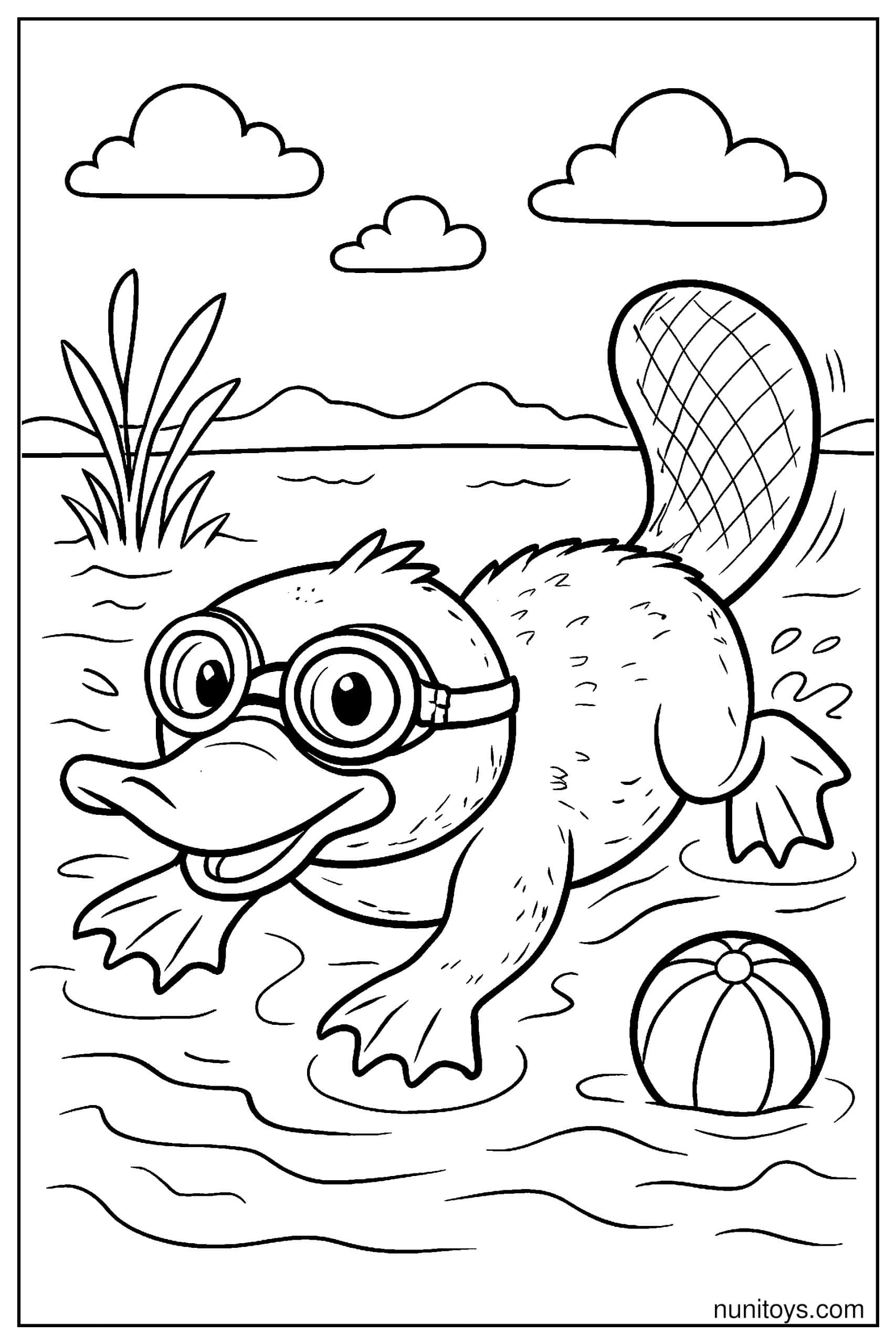
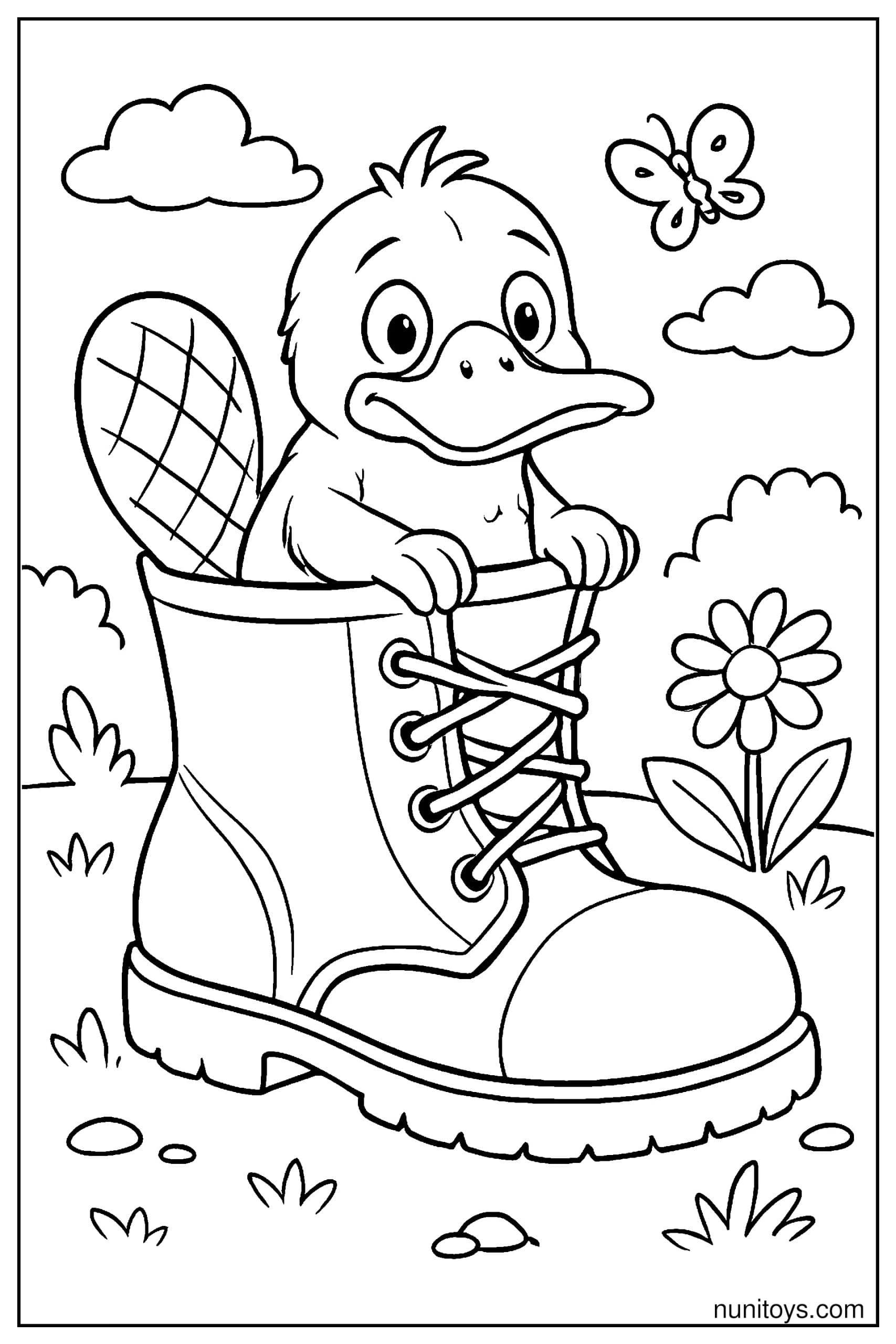
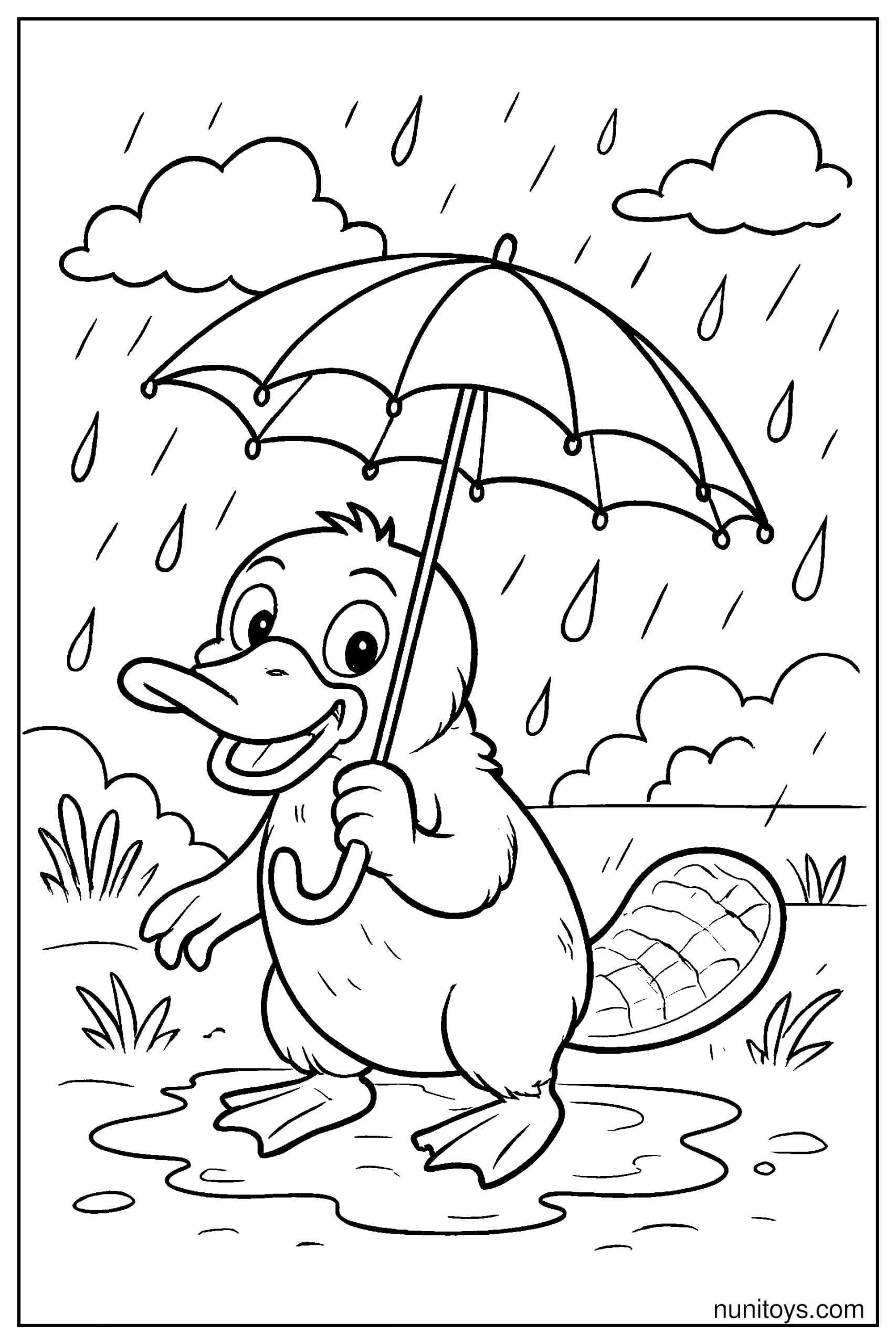
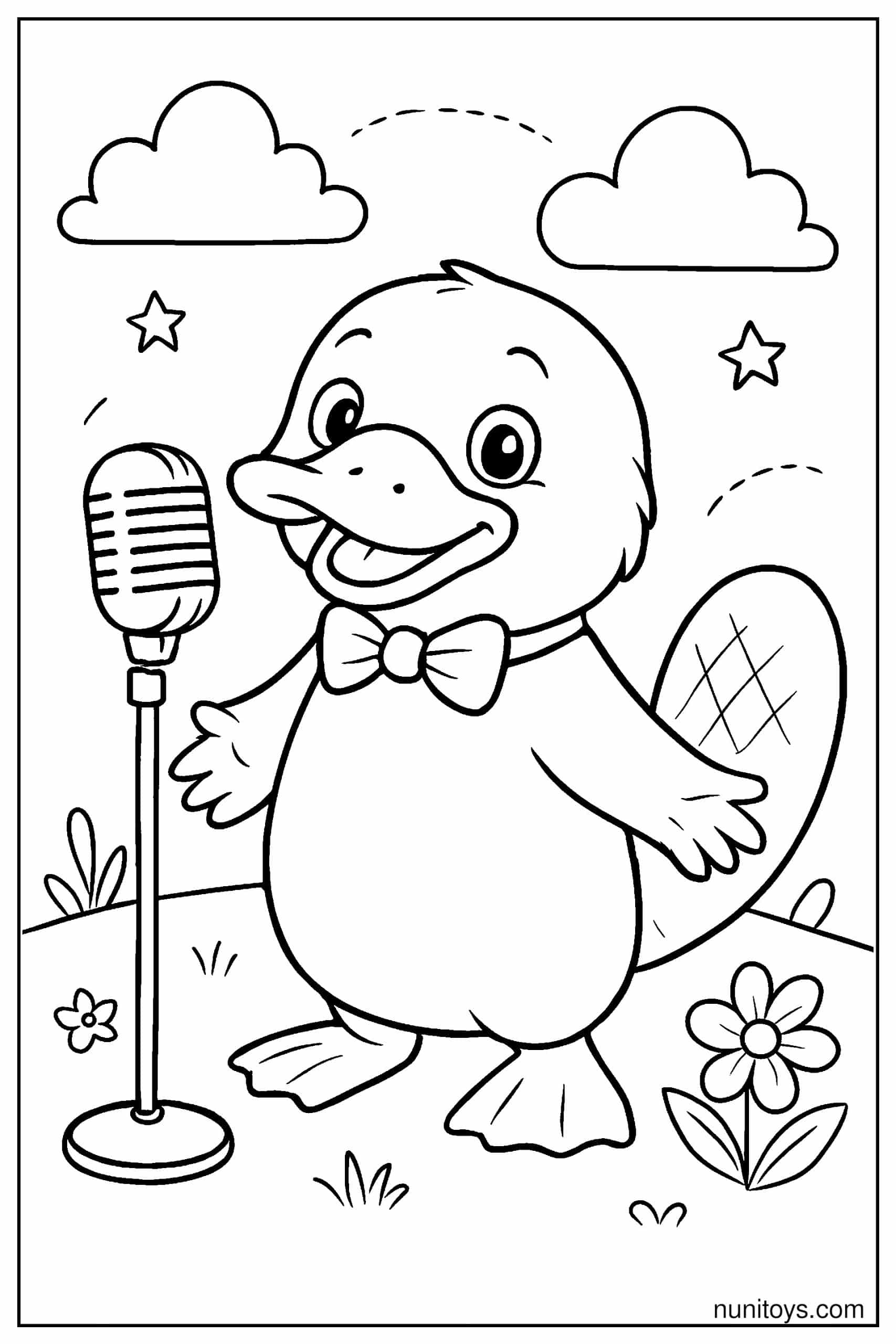
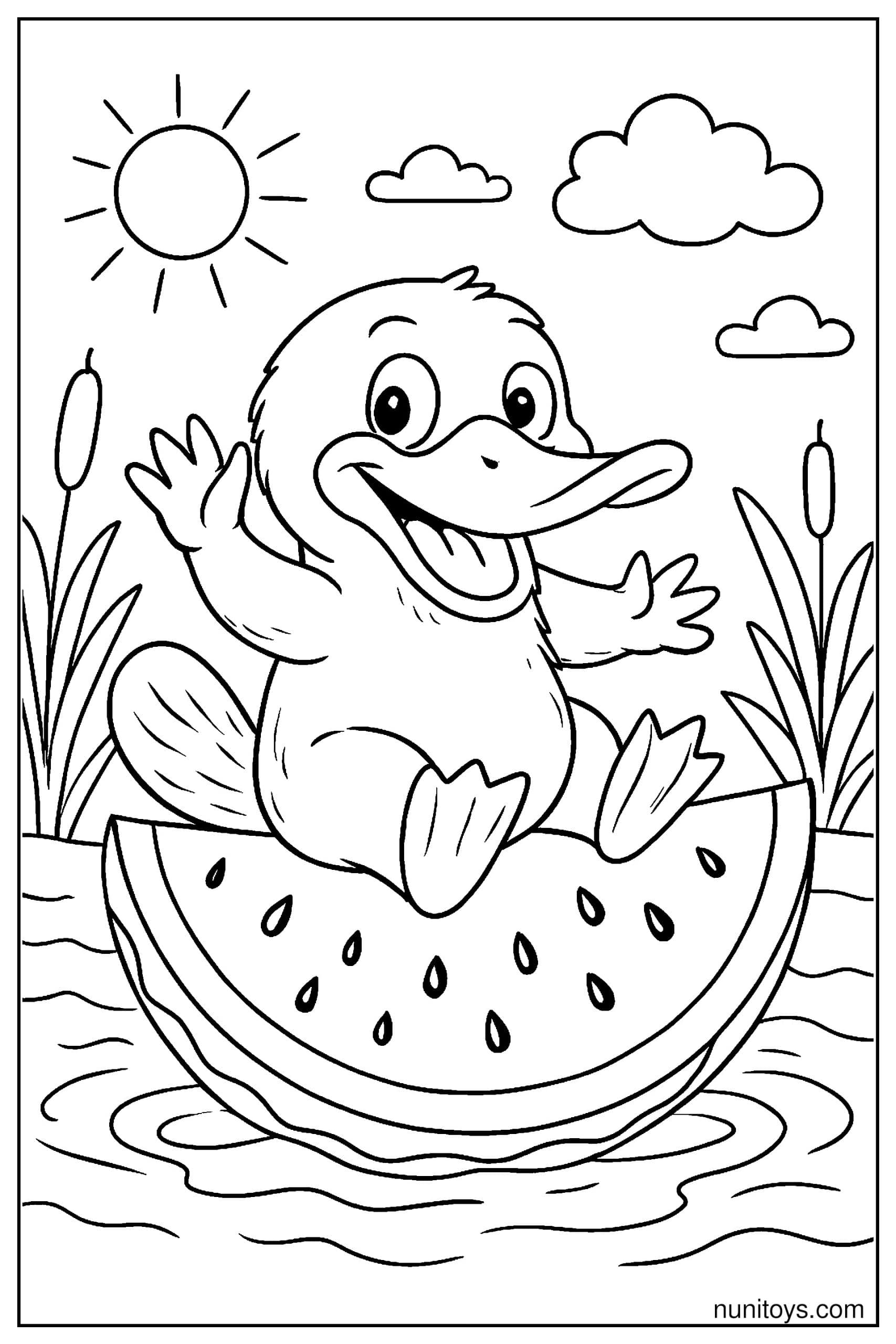
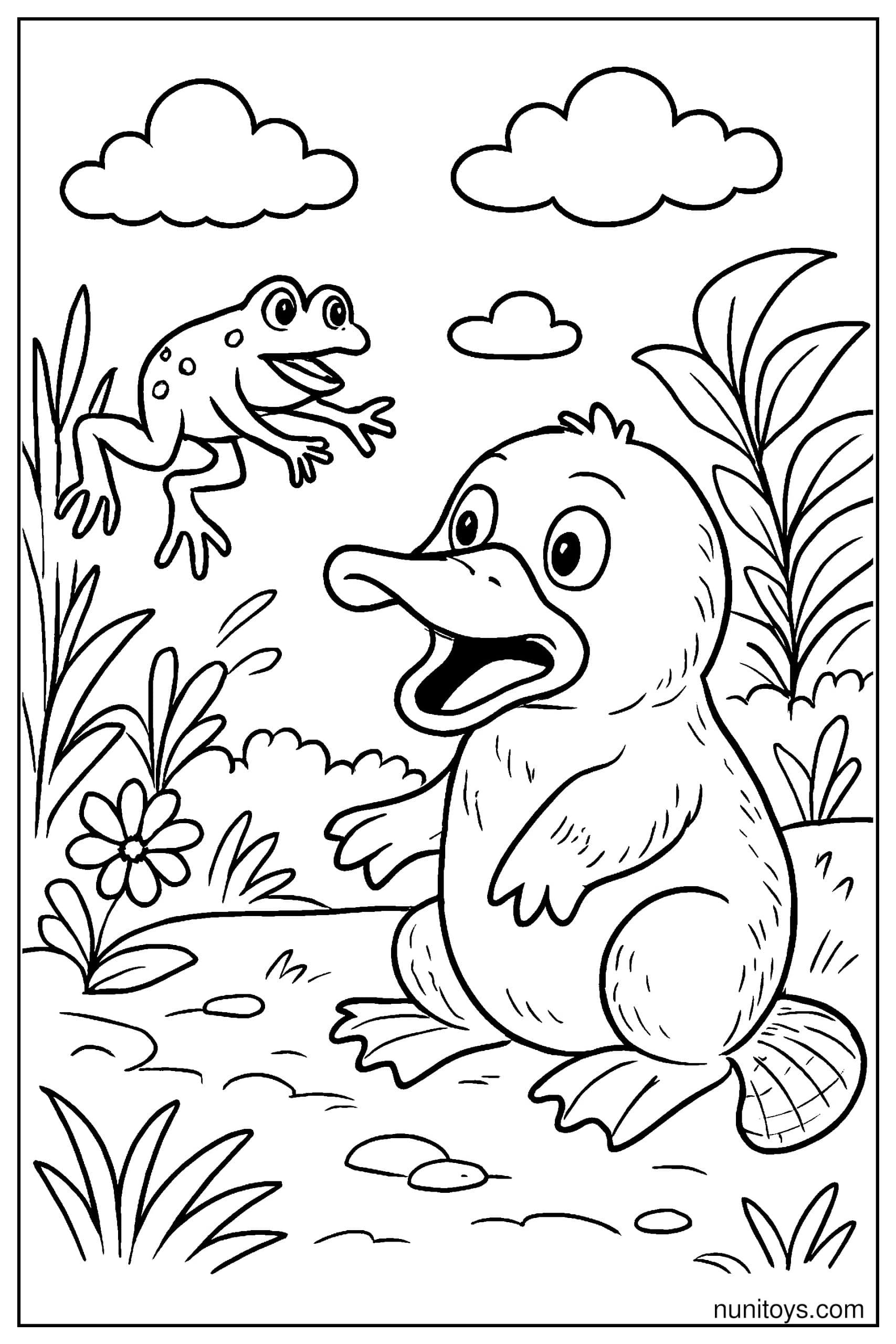
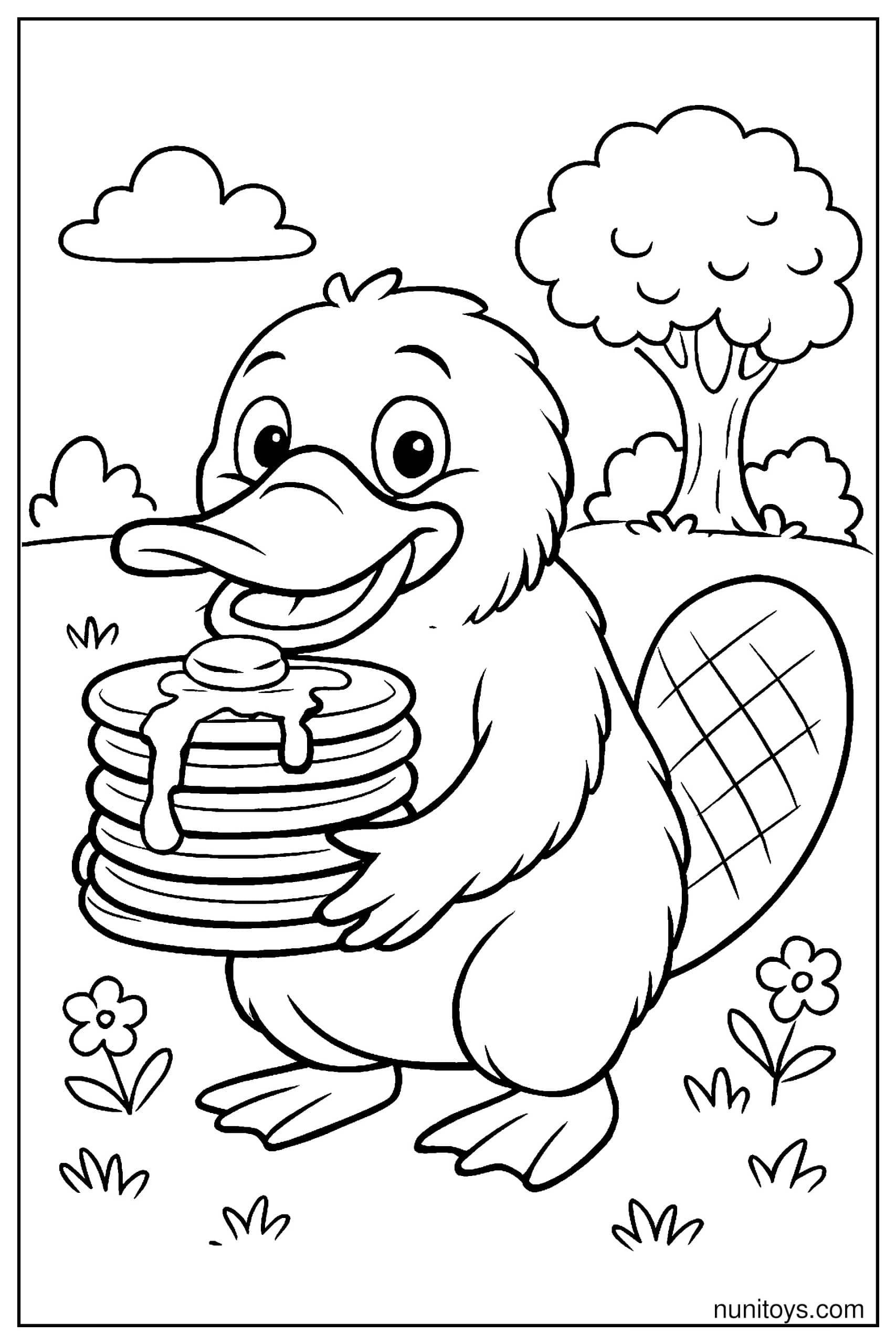
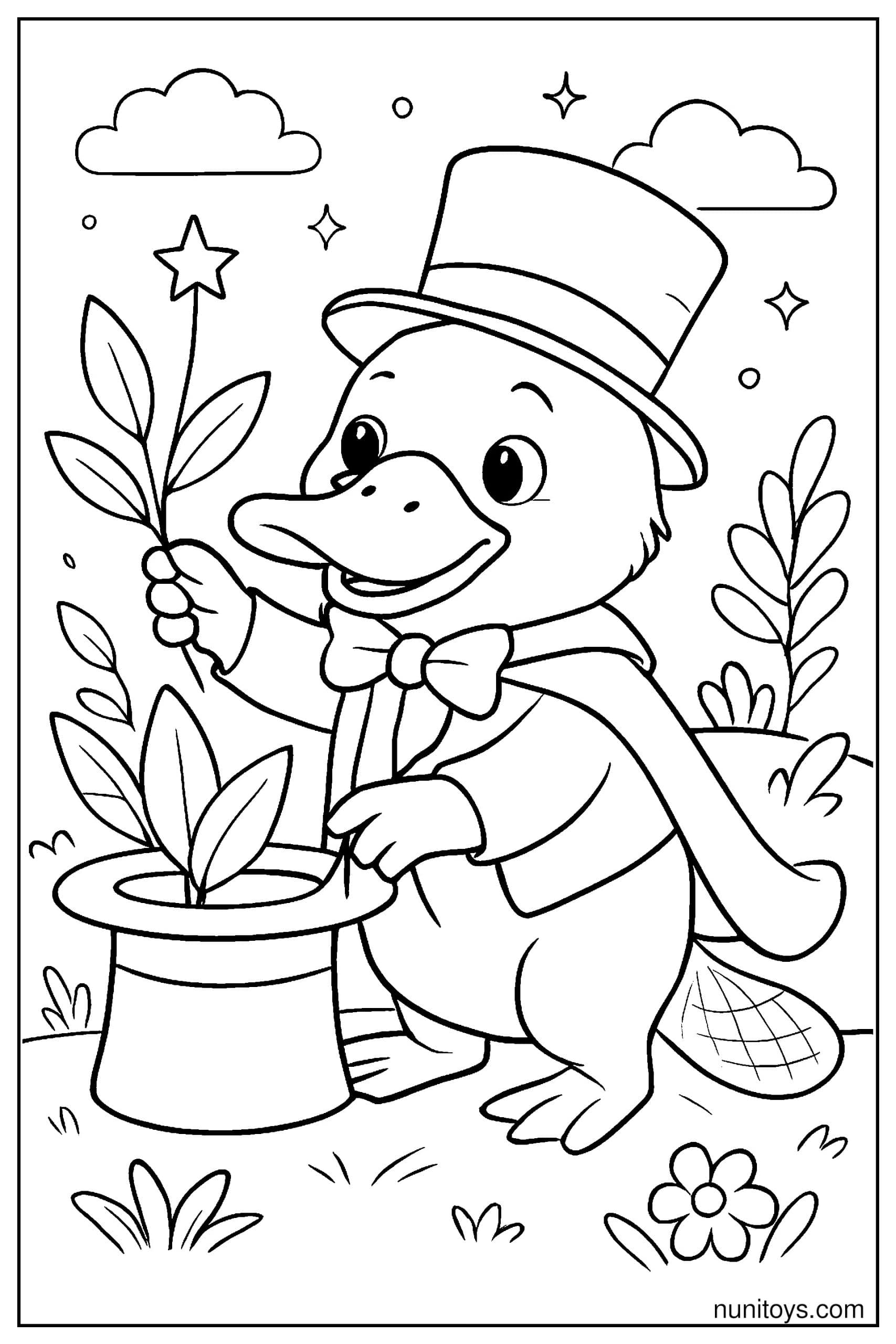
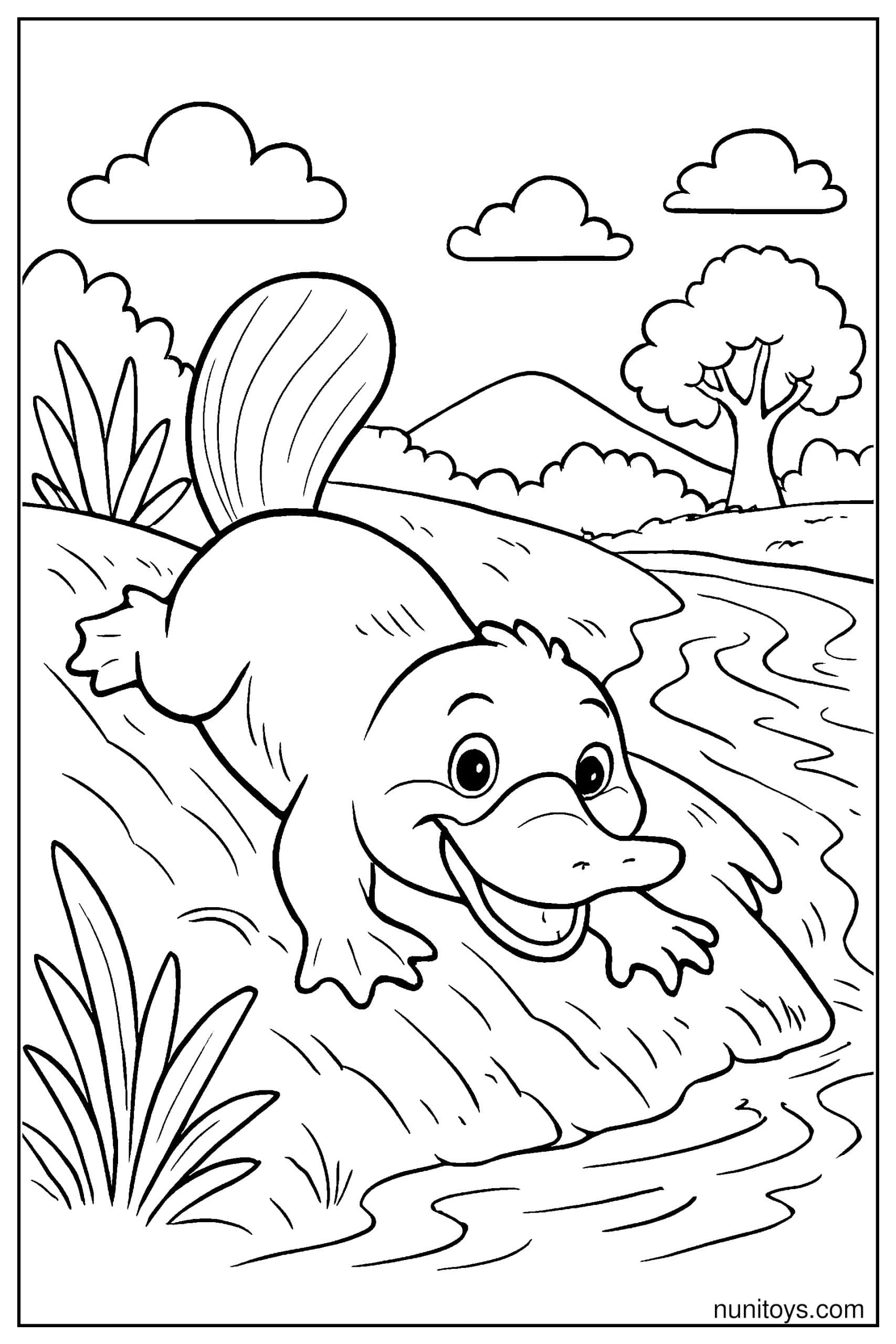
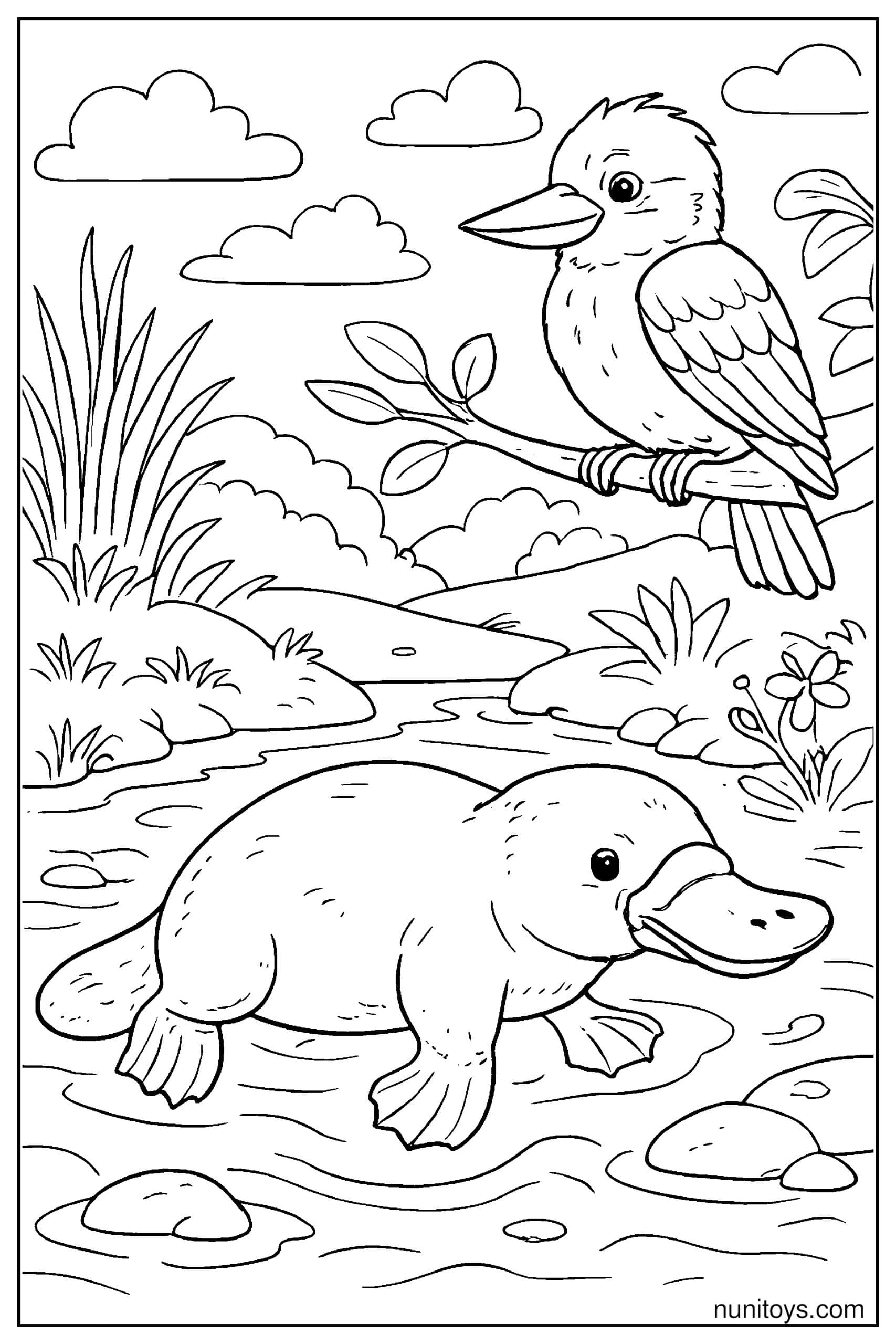
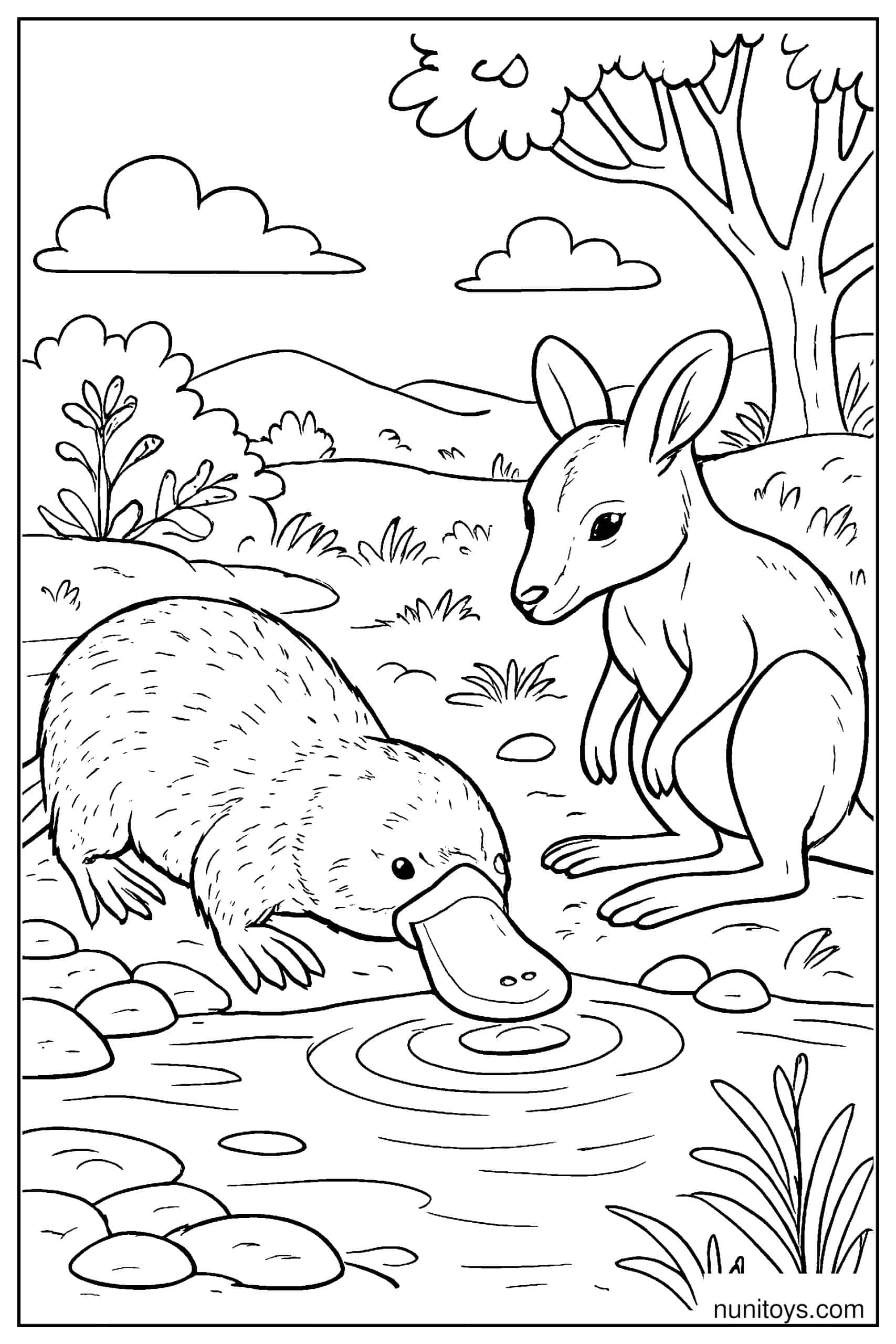
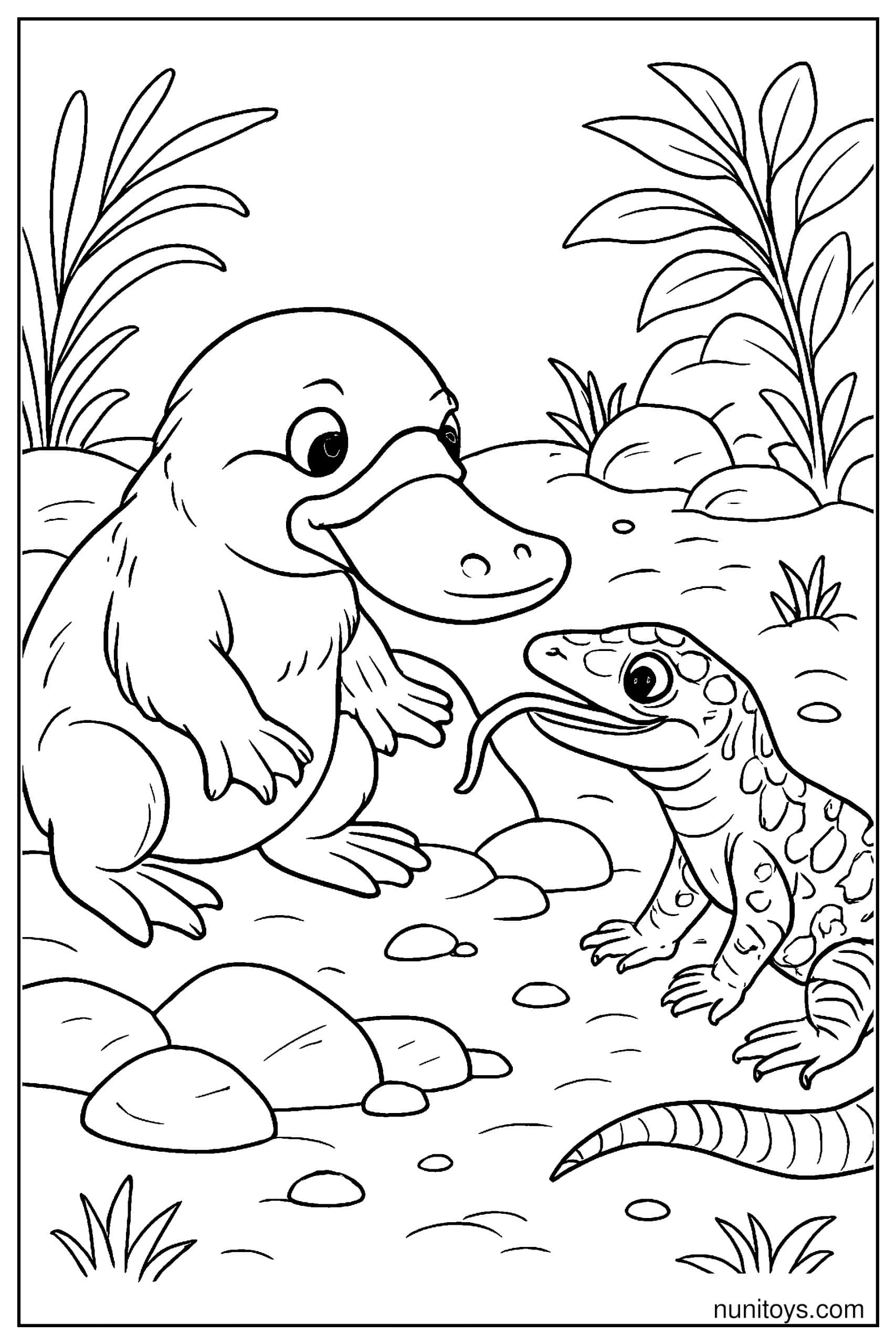
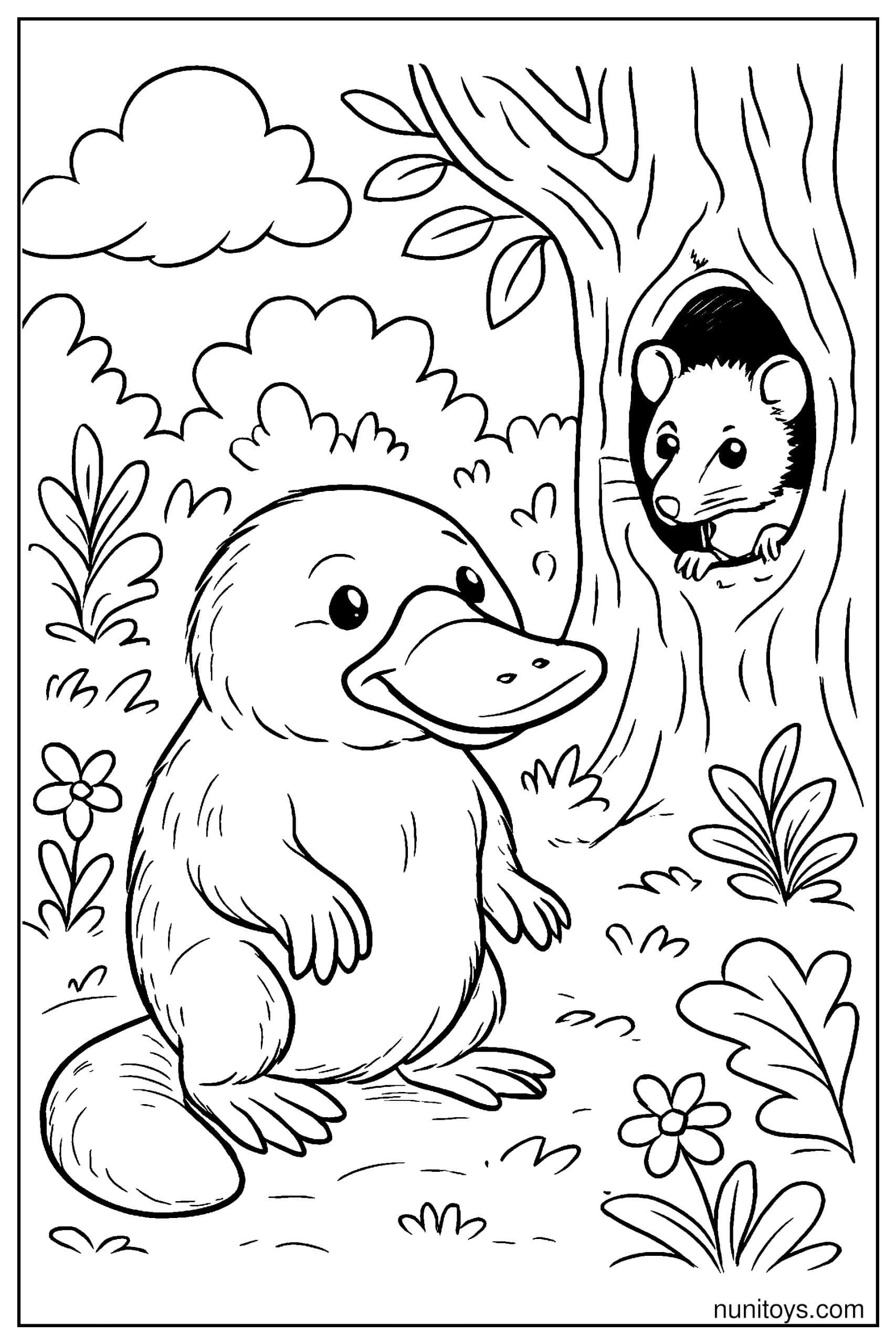
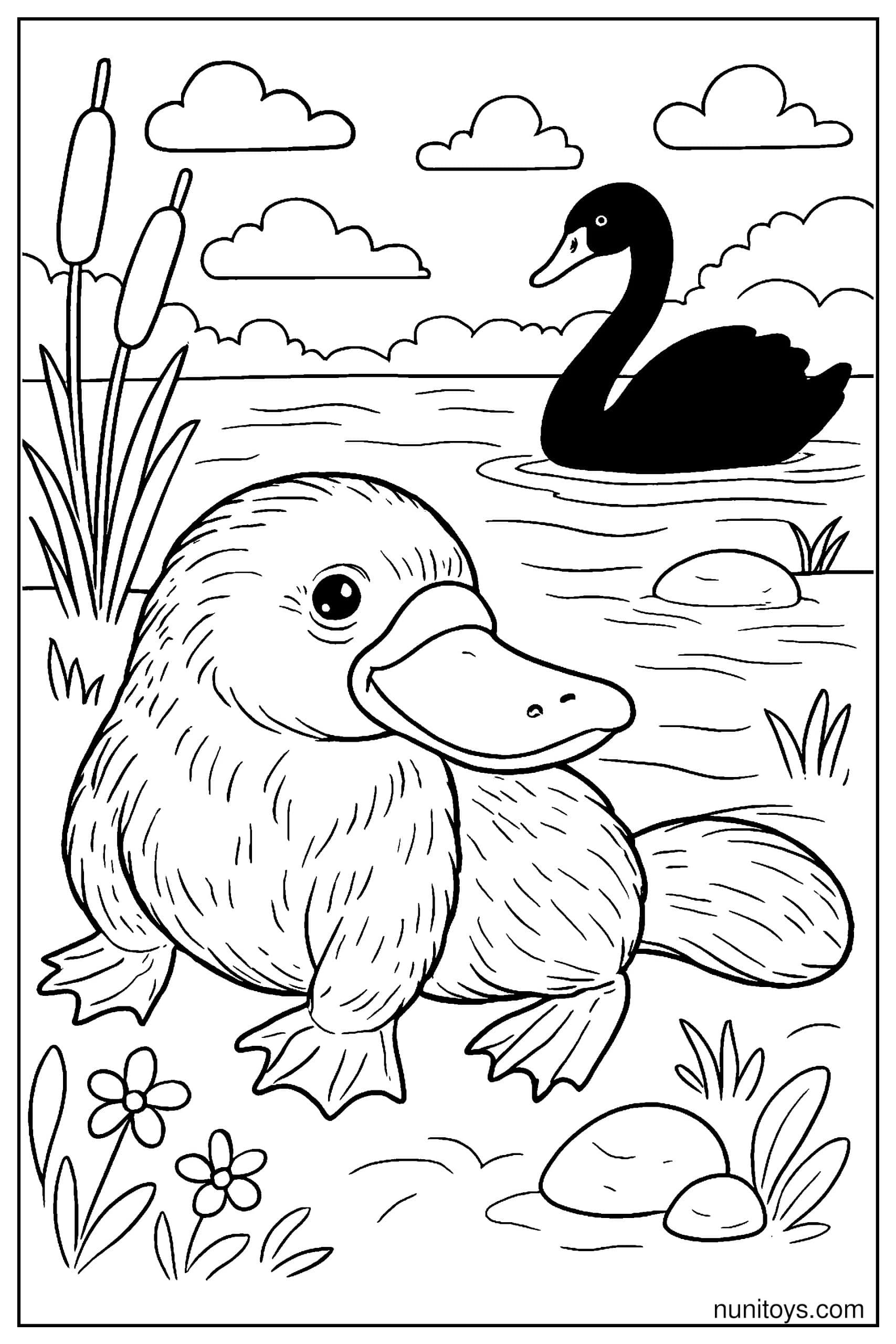
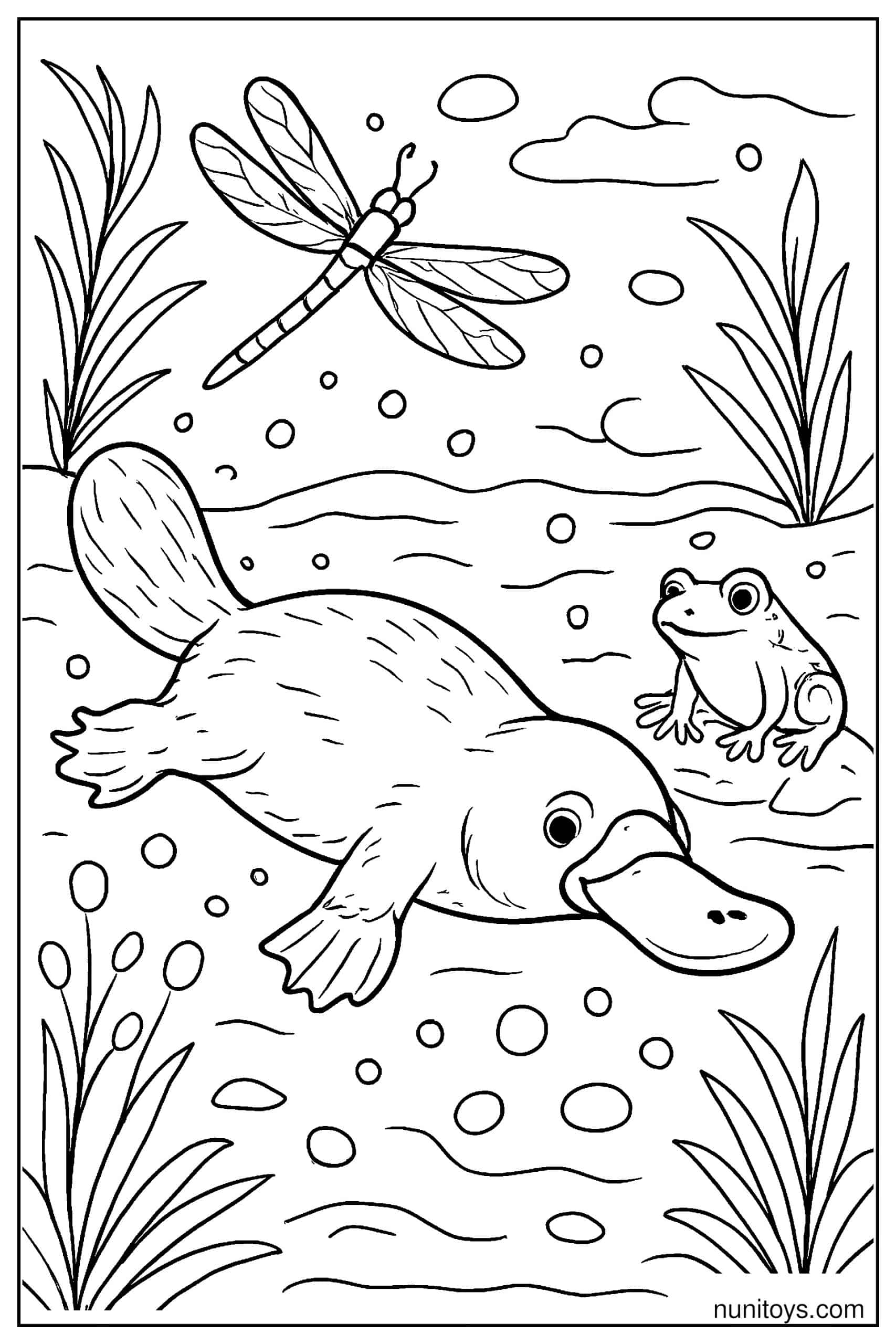
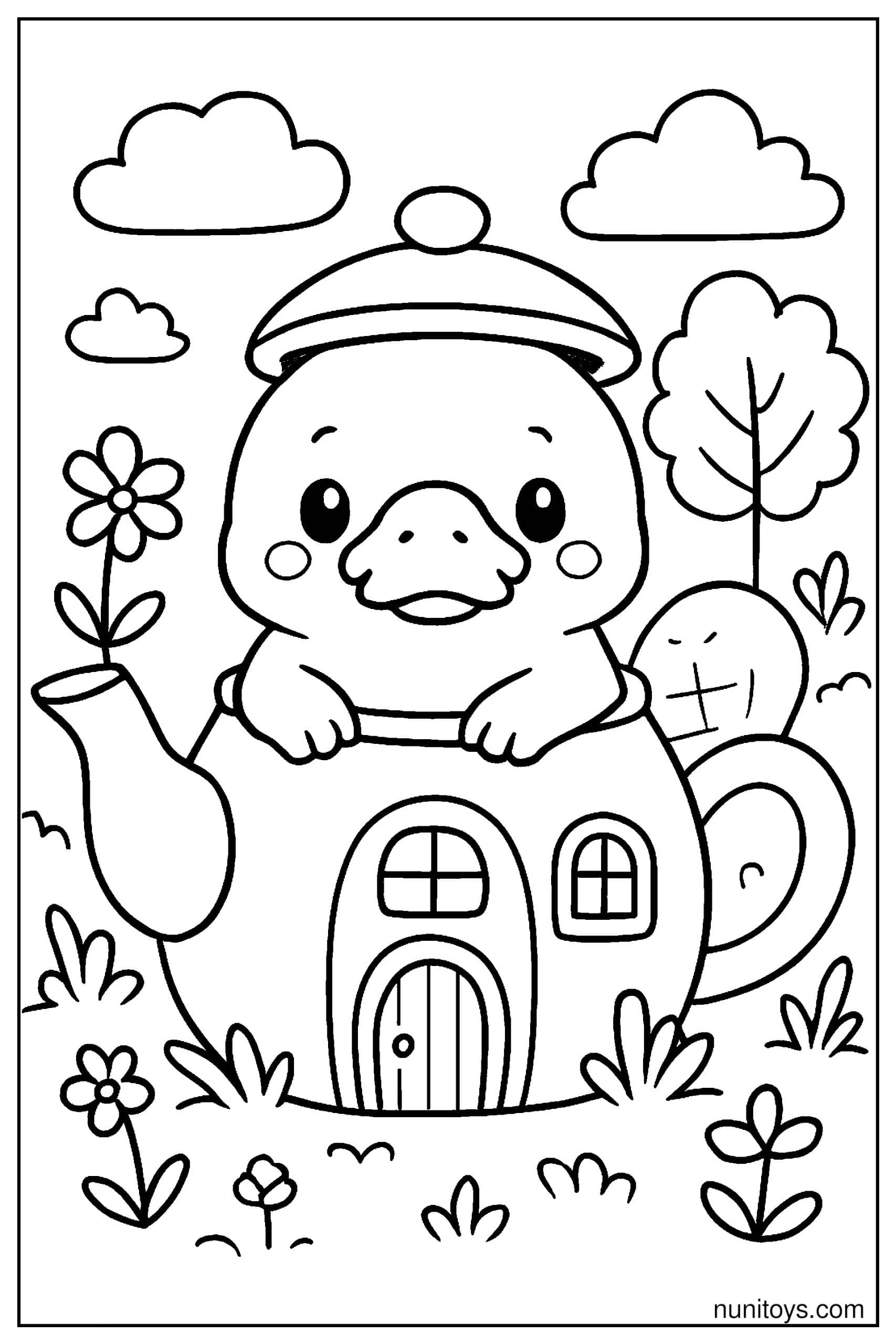
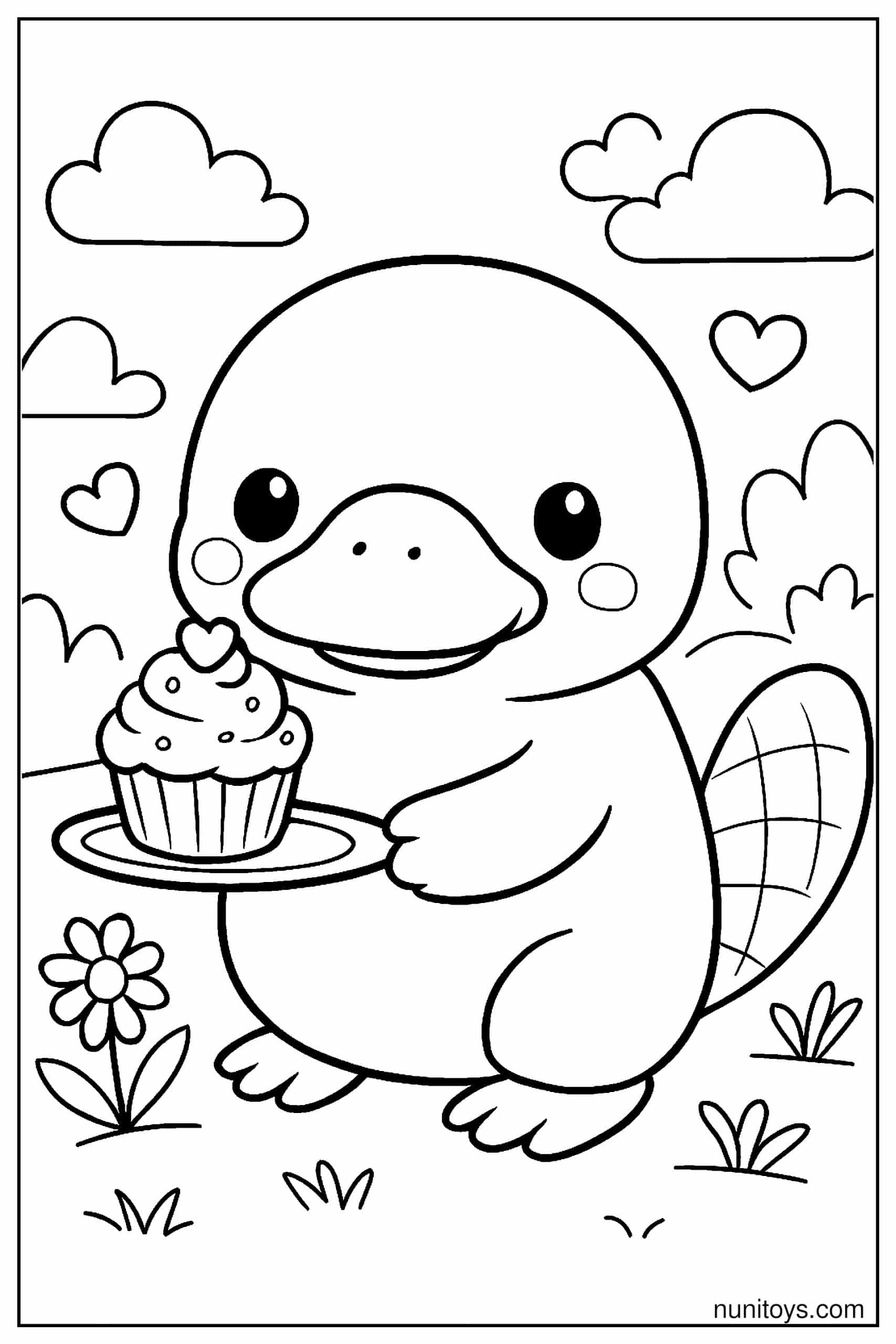
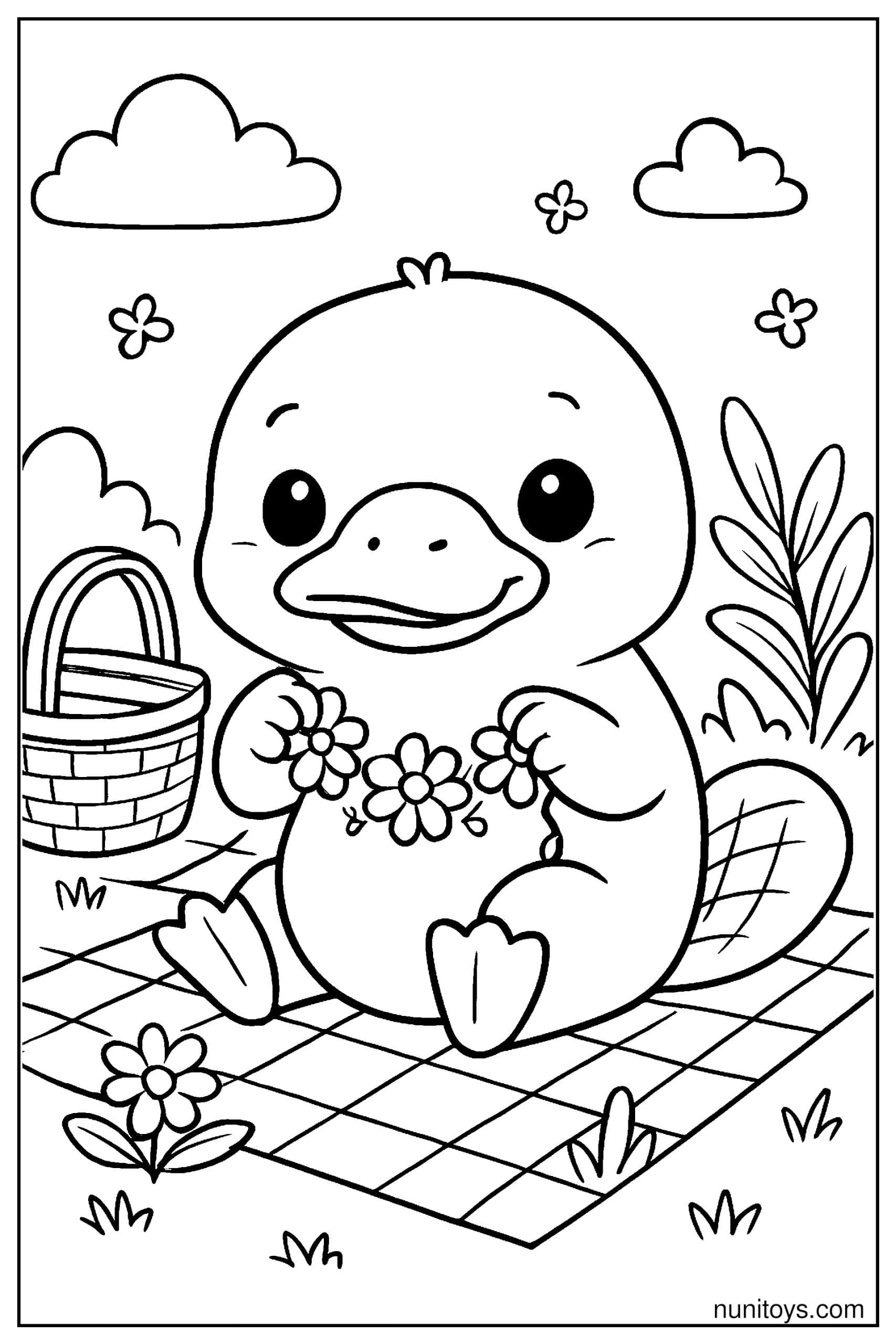
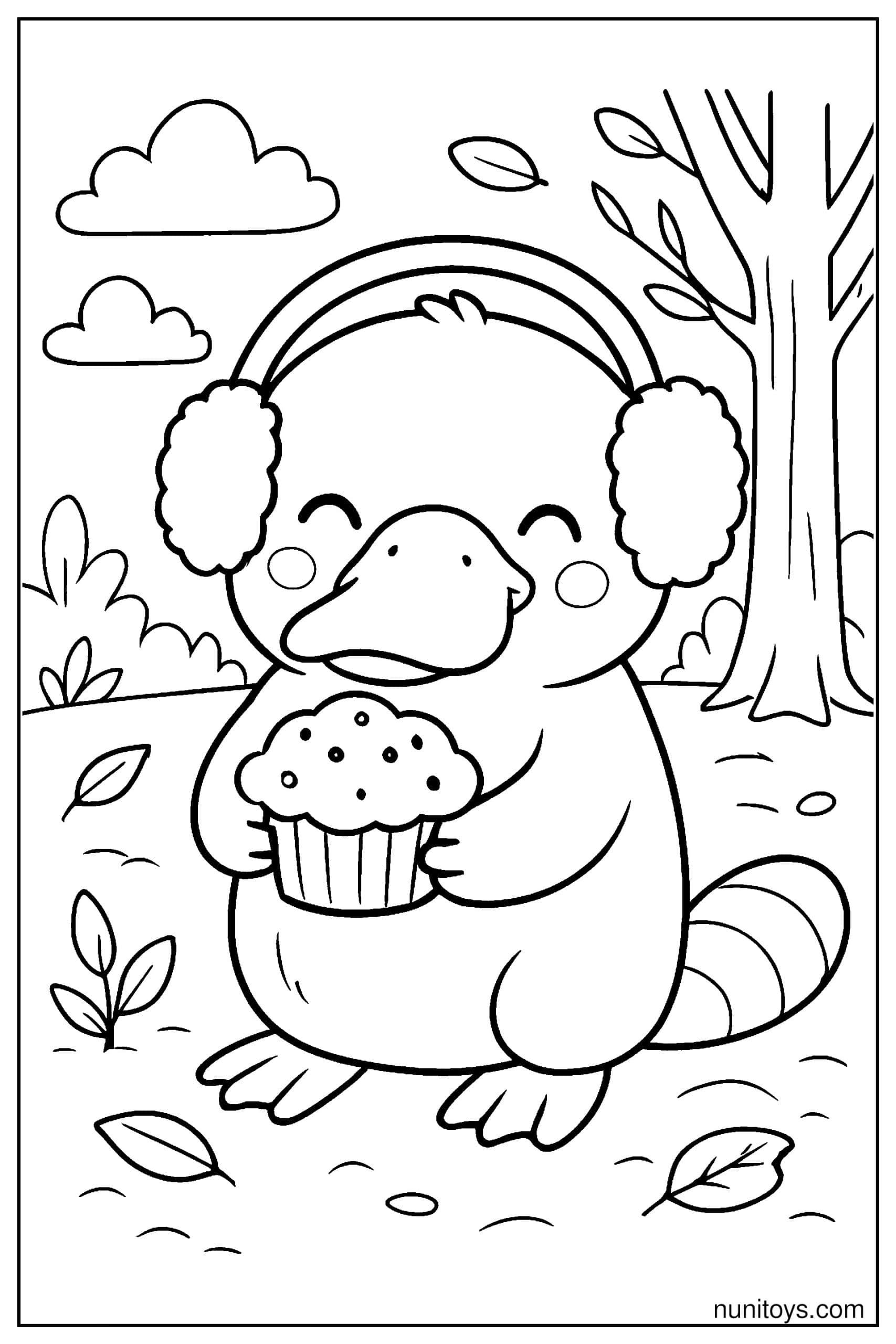
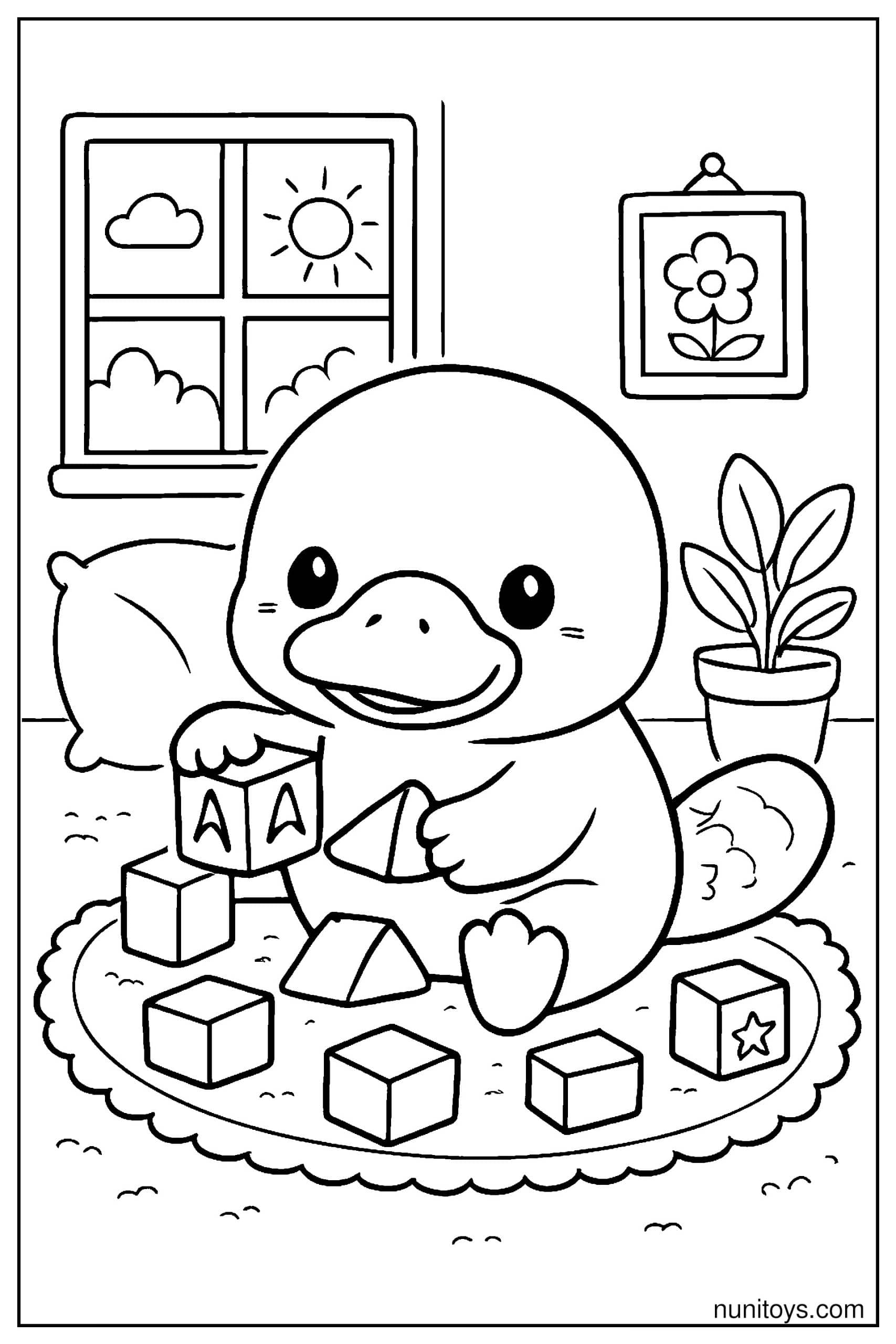
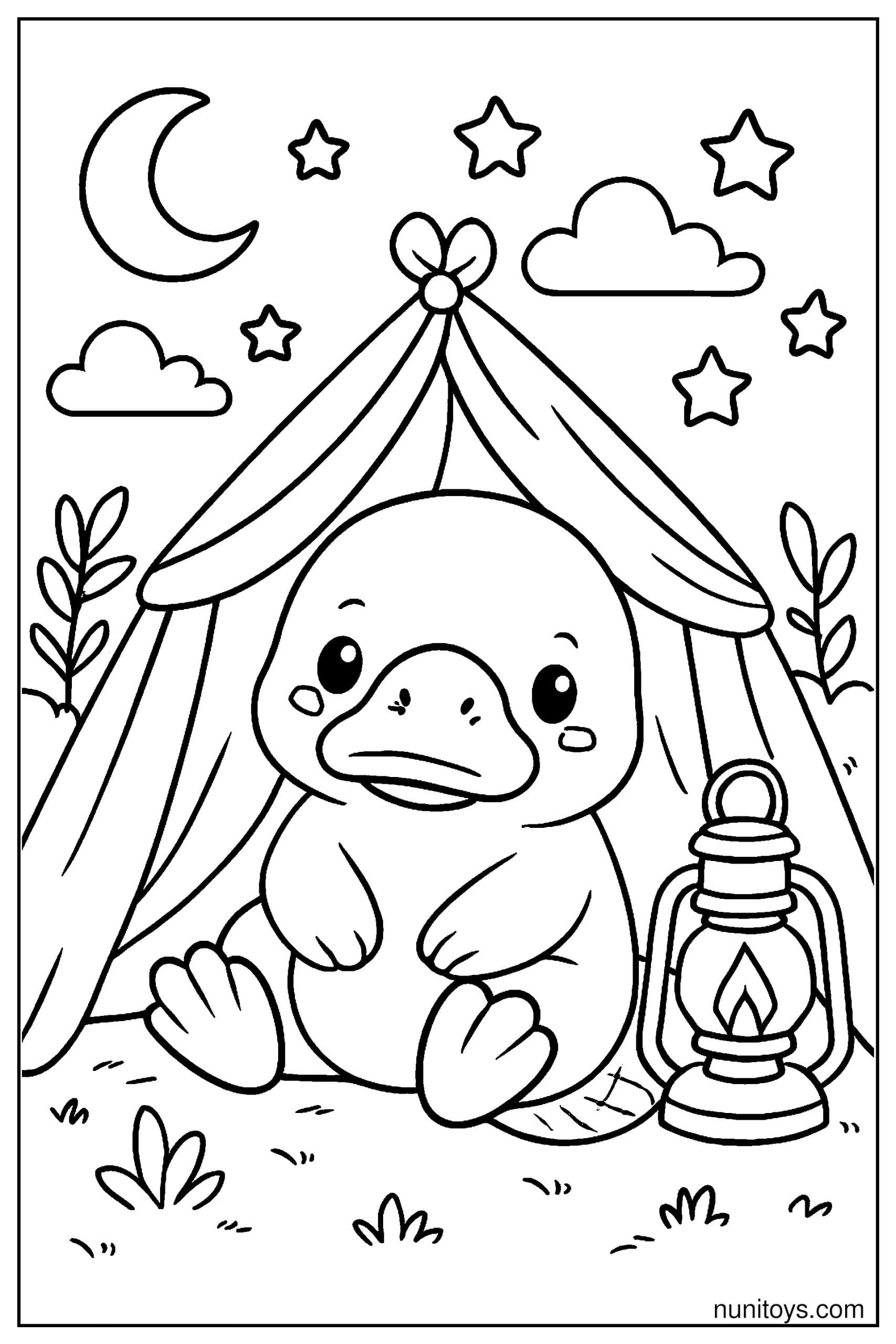
Platypus coloring pages are especially fun to reuse because this animal has such a memorable look. Once the coloring is finished, the artwork can become a river scene, a movement craft, a nature display, or a storytelling activity. These ideas work well at home, in class, or during an animal-themed lesson.
1. Creek Explorer Scene
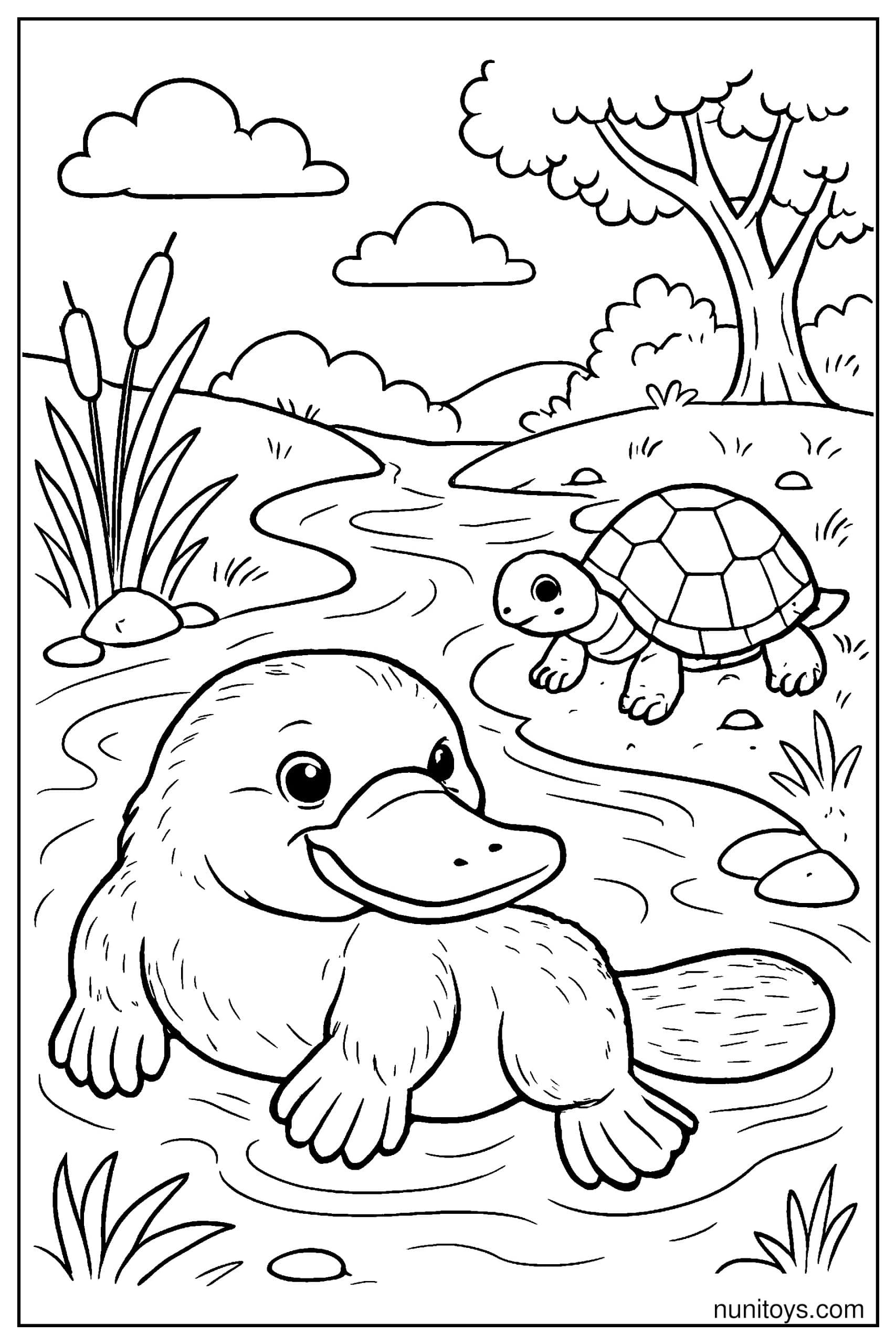
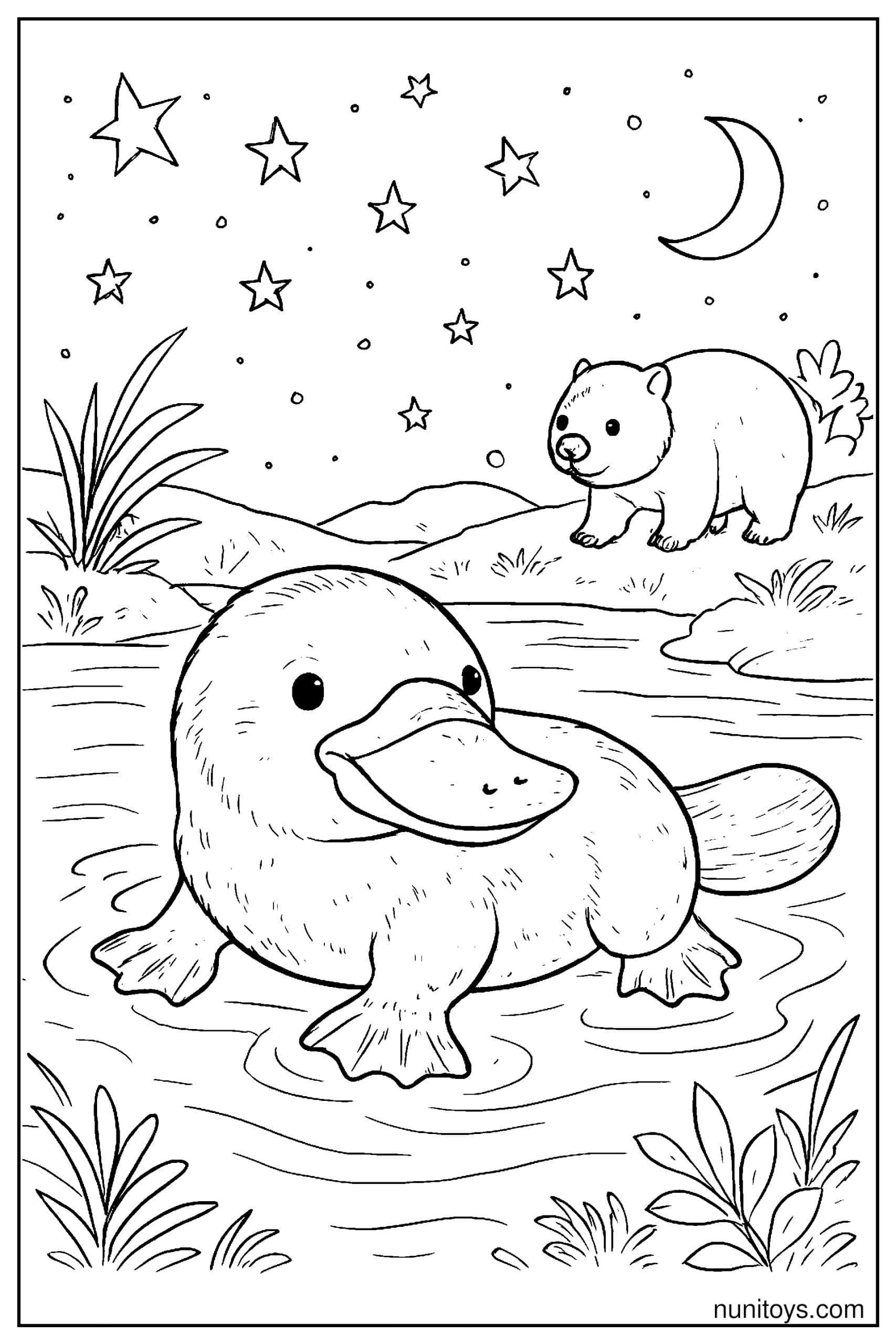
Place the finished platypus on a larger sheet of paper and build a creek setting around it. Children can add a winding strip of blue paper for water, brown stones, reeds, floating leaves, and small insects near the riverbank. Instead of simply displaying the page, this craft gives the platypus a clear home. It also helps children think about where freshwater animals live and what they might see around them.
2. Funny Feature Match-Up
The platypus has body parts that are easy to compare with other animals, which makes it perfect for a matching game. After coloring the page, children can make small cards for the bill, tail, webbed feet, fur, and claws. They can match each card to the platypus, then compare those parts with a duck, beaver, otter, or other animals. This keeps the activity playful while encouraging careful observation and simple animal vocabulary.
3. Sliding Platypus in the Water
A colored platypus can become part of a moving paper craft. Cut a wavy slit into a blue paper river, then attach the platypus to a small paper tab that slides behind it. Children can move the tab so the platypus appears to swim through the water. Add bubbles, stones, reeds, or tiny fish to make the river more lively. This project feels interactive and gives the finished coloring page a fun second use.
4. Platypus Nature Notebook Page
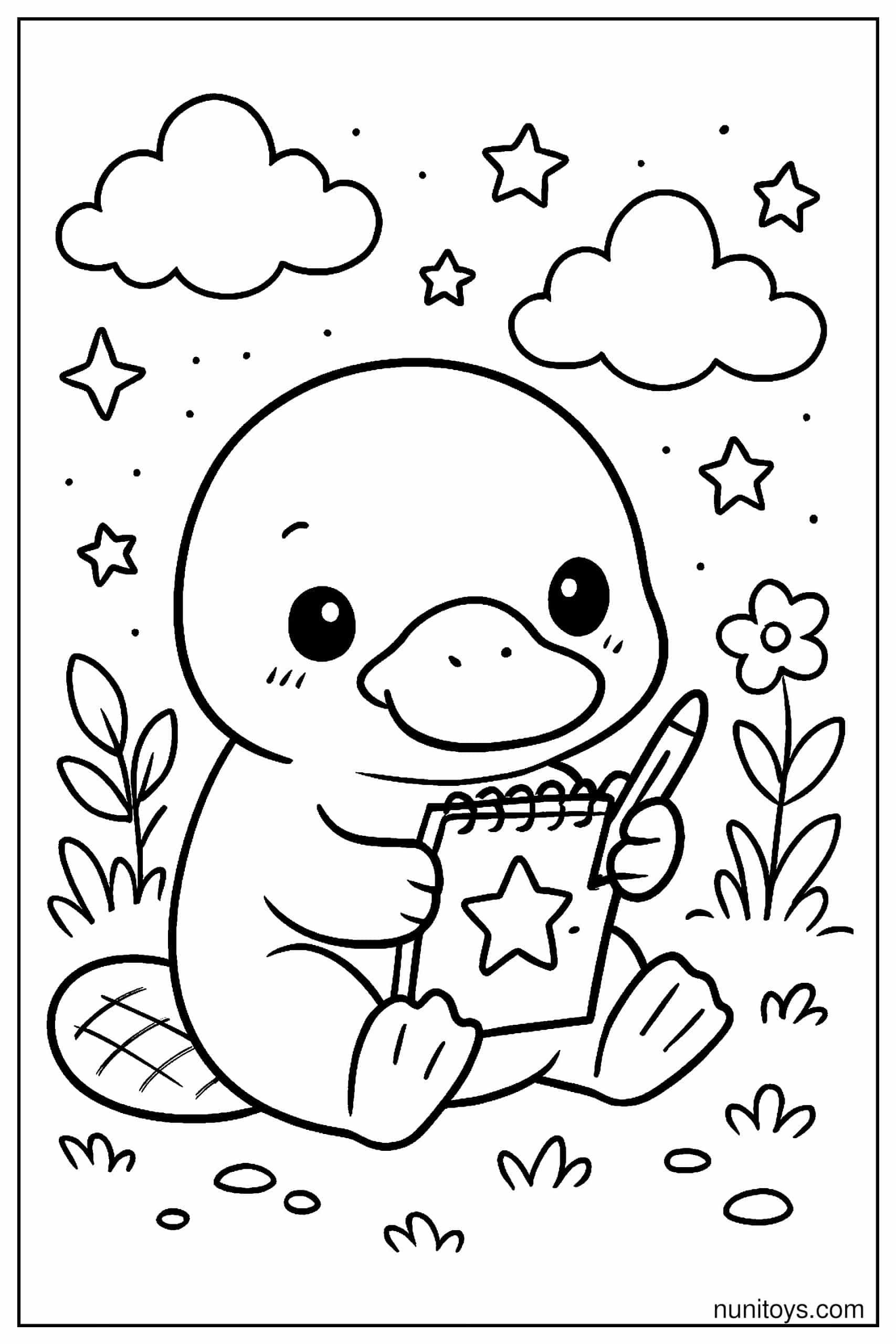
Use the coloring page as the main illustration for a simple nature notebook. Children can glue the platypus onto a page and add short notes around it, such as “wide bill,” “flat tail,” “webbed feet,” or “lives near water.” They can also draw a small map of a river habitat or add a few plants and rocks. This idea is great for kids who enjoy mixing art with little facts, without turning the activity into a long lesson.
5. River Animal Puppet Show
Cut out the platypus and attach it to a craft stick for a small puppet. Add other paper animals, such as a fish, frog, duck, or turtle, so children can invent a river adventure. The platypus might look for a quiet place to rest, swim past reeds, or meet another animal near the bank. This activity encourages speaking, imagination, and storytelling after the coloring is done.
6. Australian Wildlife Display Card
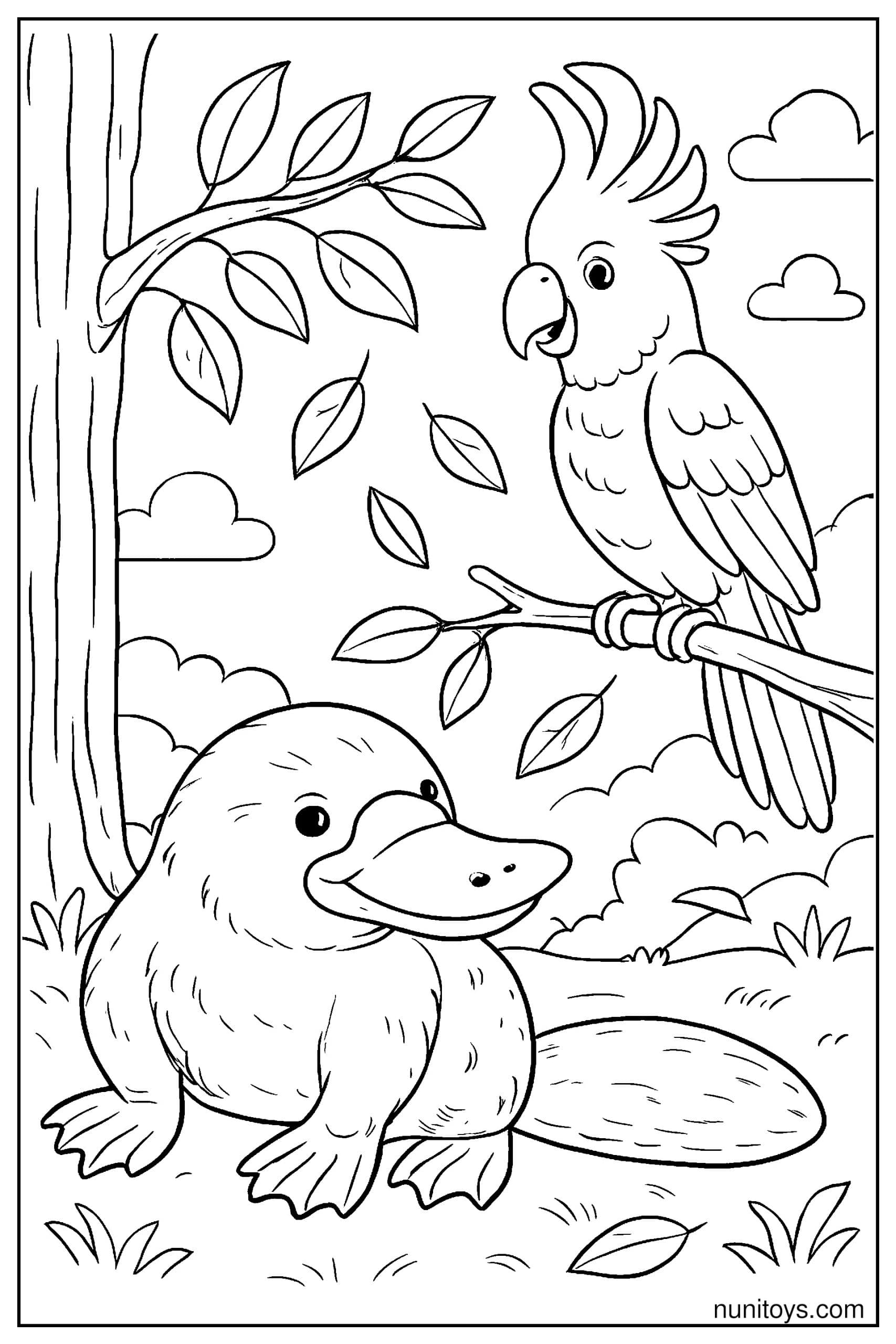
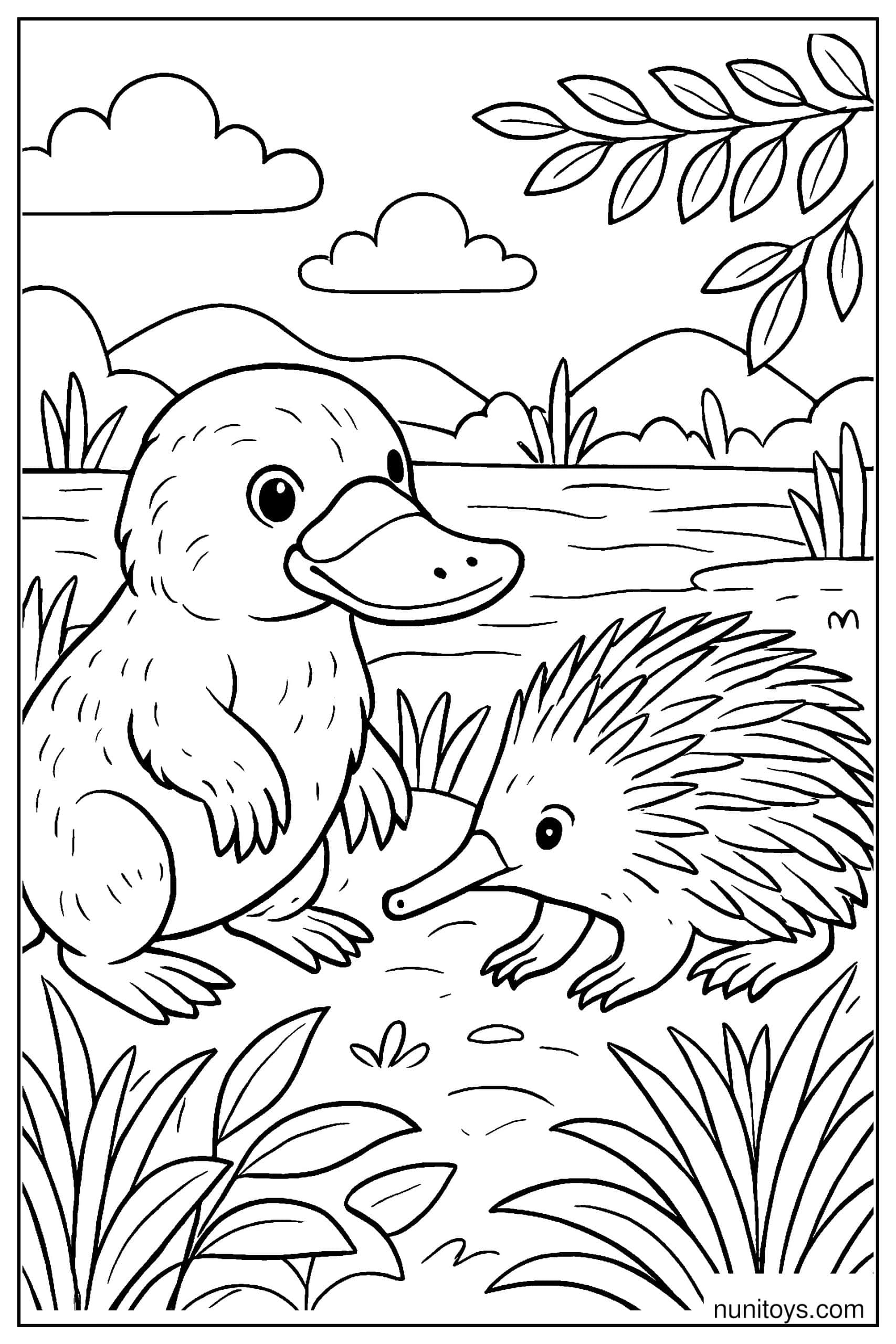
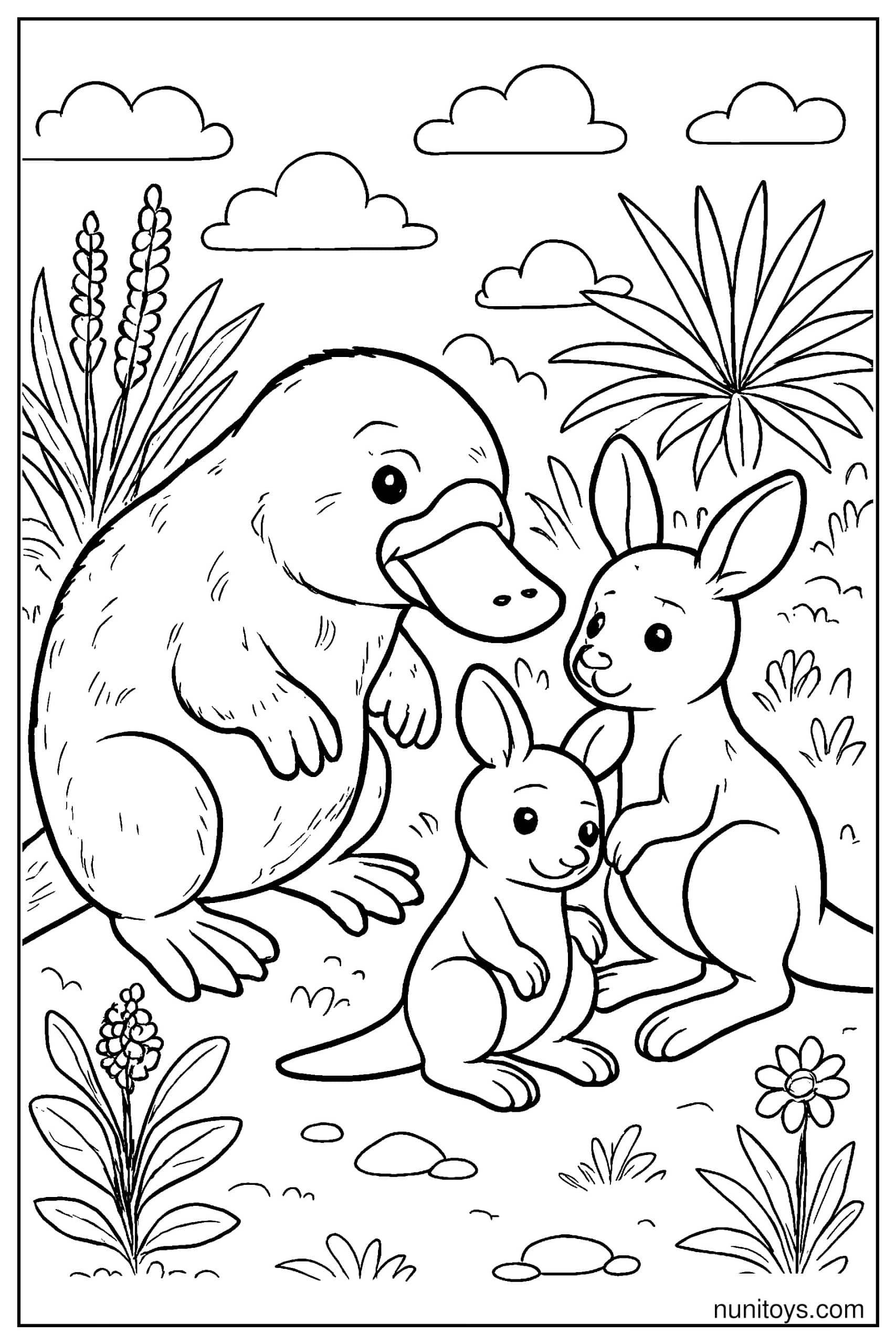
A finished platypus coloring page can become a display card for an Australian animals board. Glue the artwork onto cardstock, add a short title, and write one simple fact underneath. Children can make matching cards for wombats, koalas, kangaroos, or echidnas to build a small wildlife collection. The result is useful for classroom walls, homeschool projects, or animal-themed learning corners.