6 Creative Craft Ideas to Do With Wombat Coloring Pages
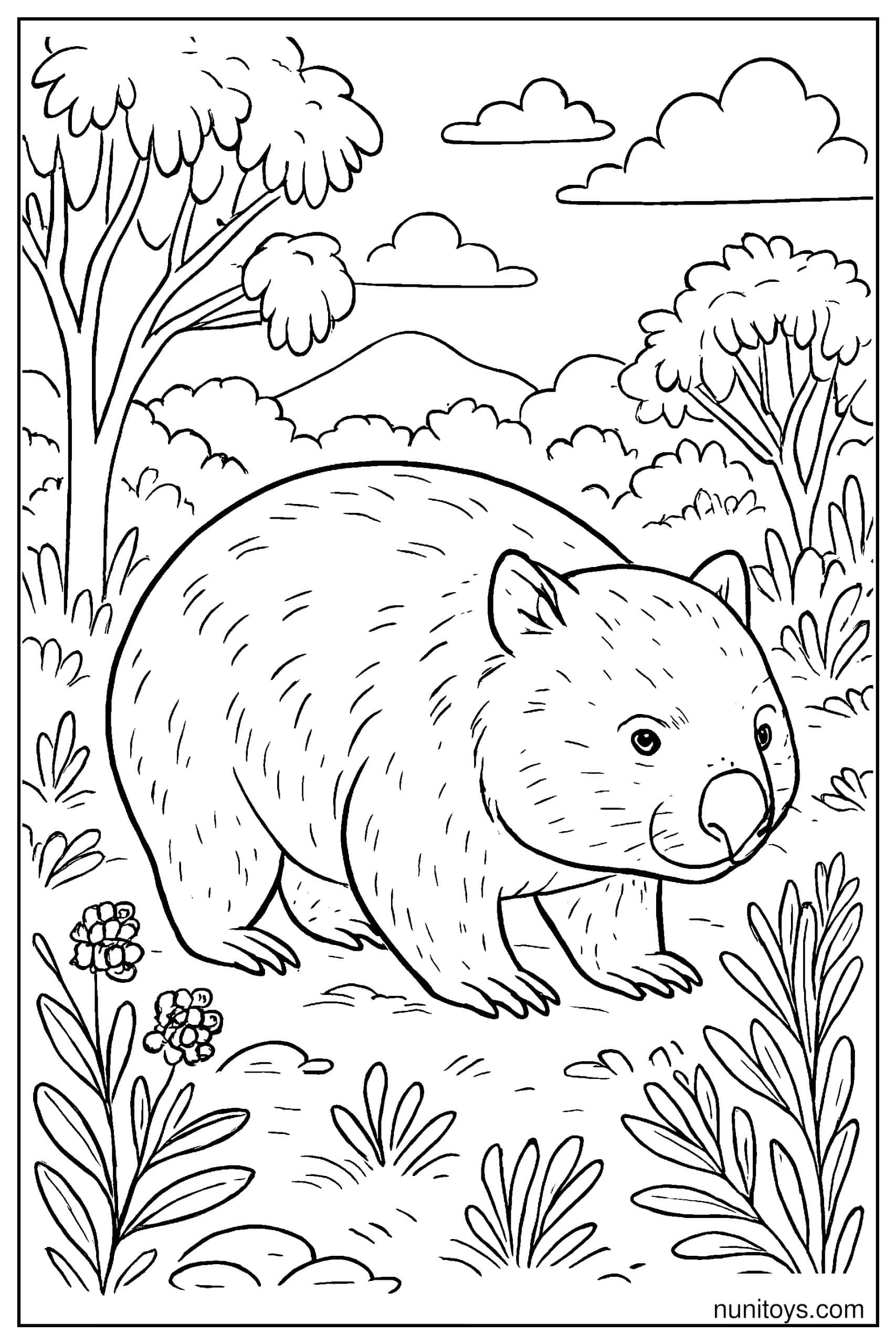
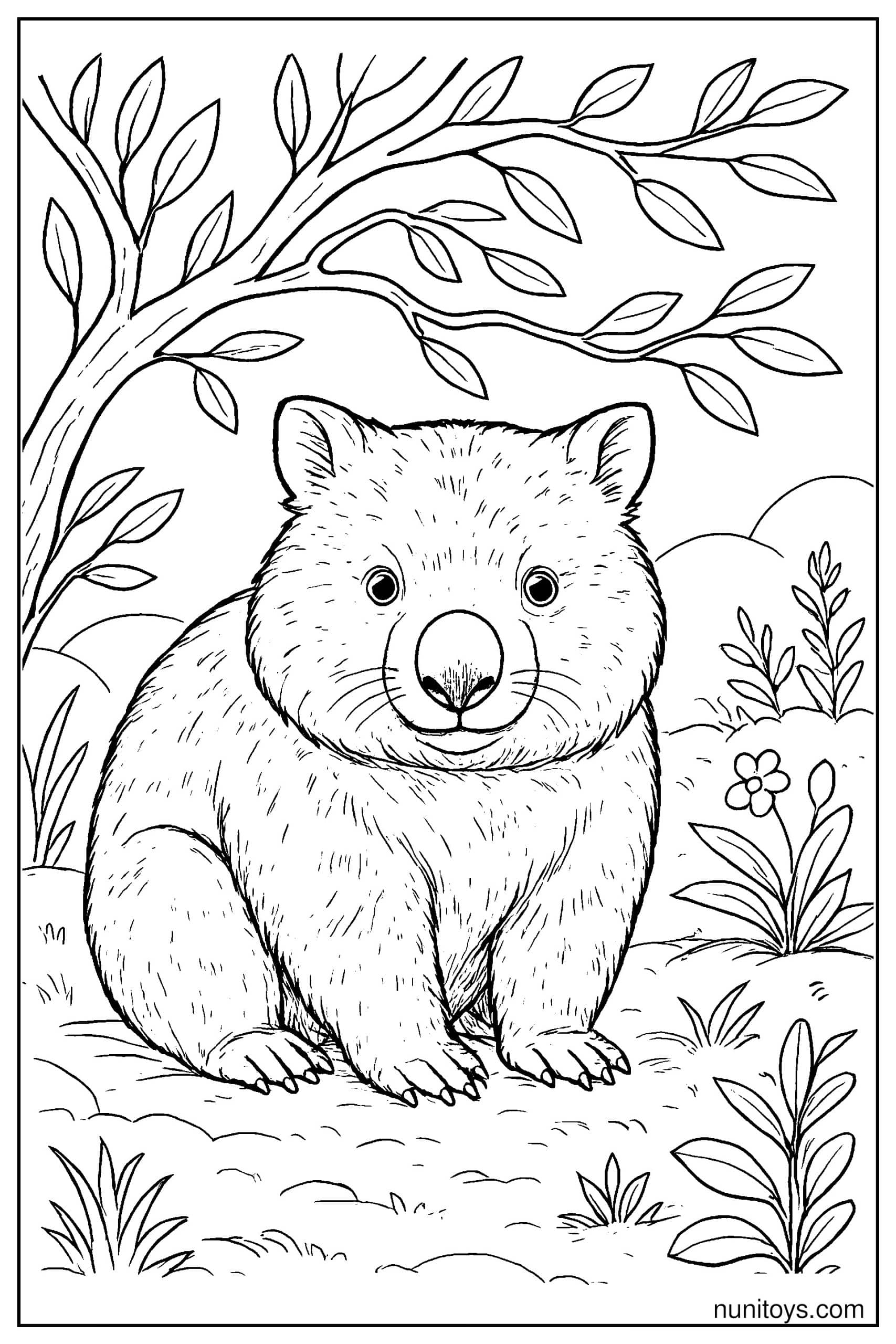
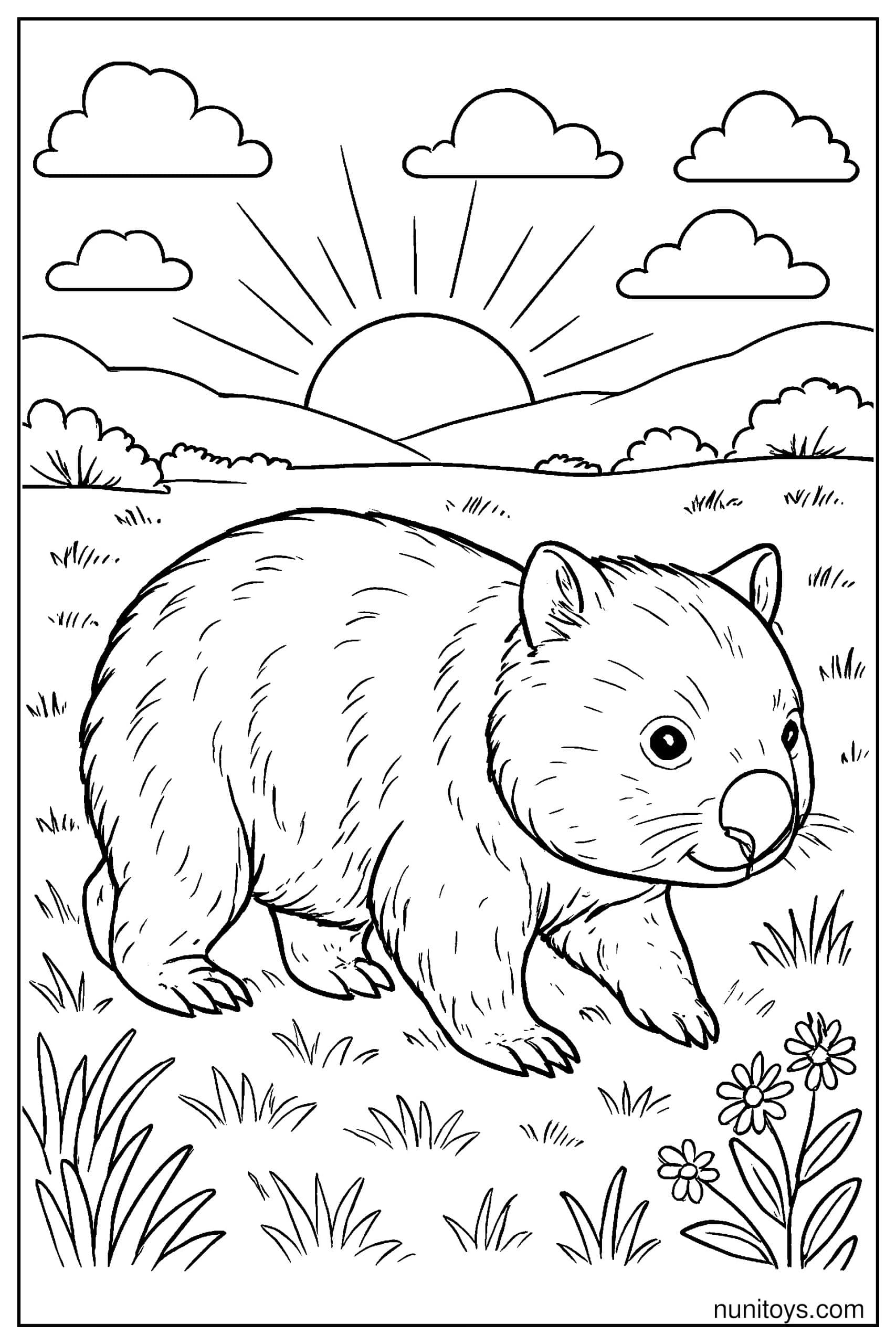
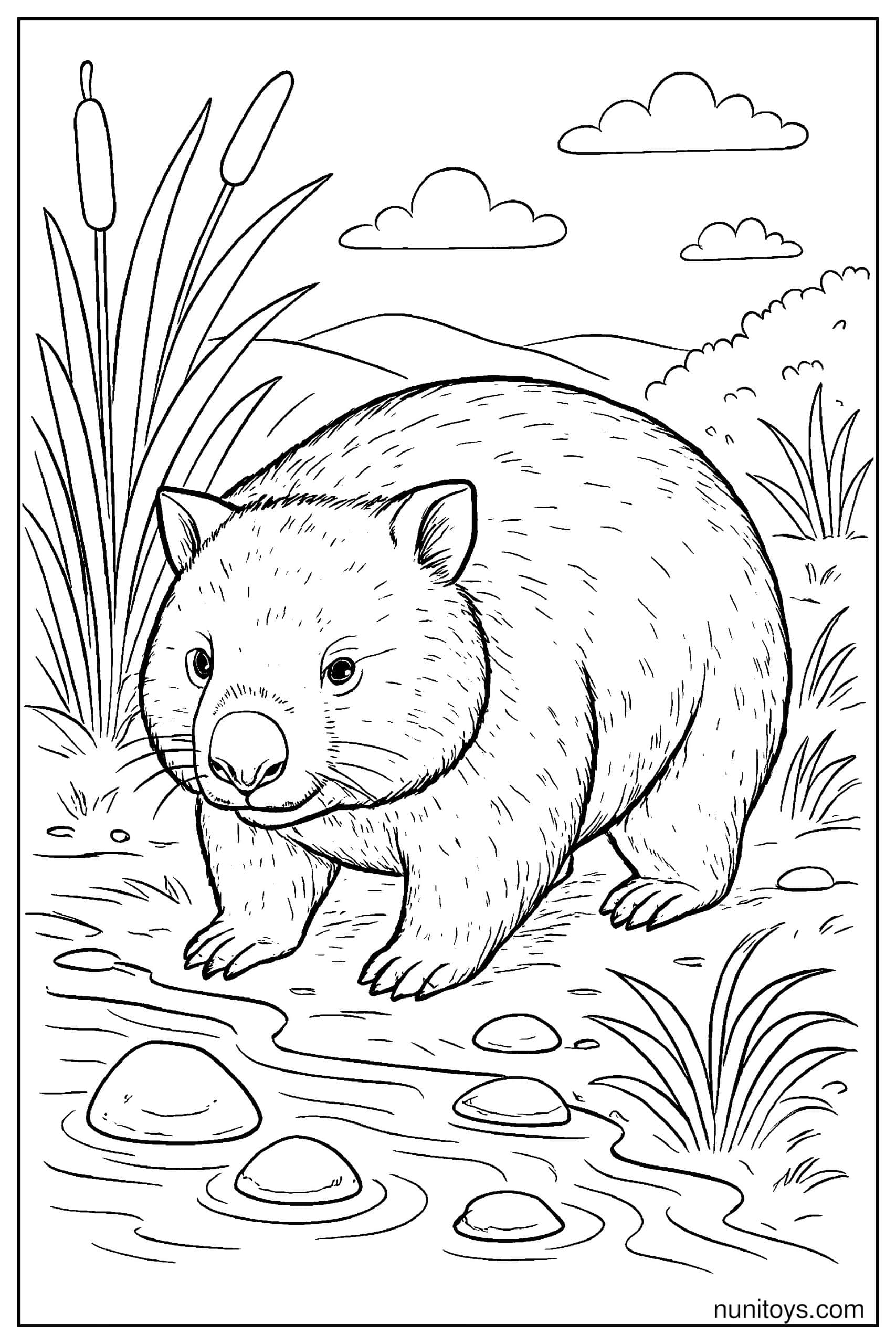
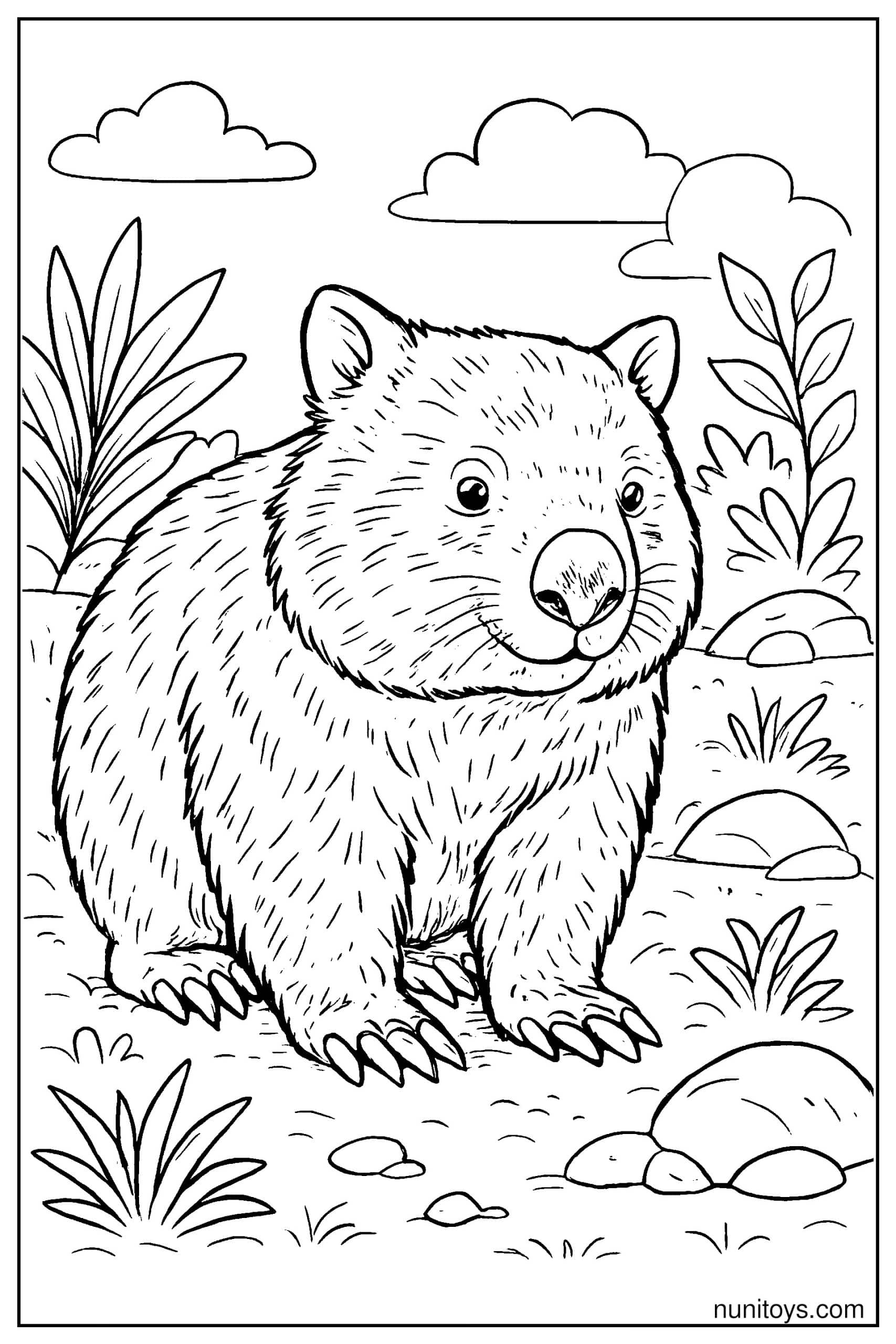
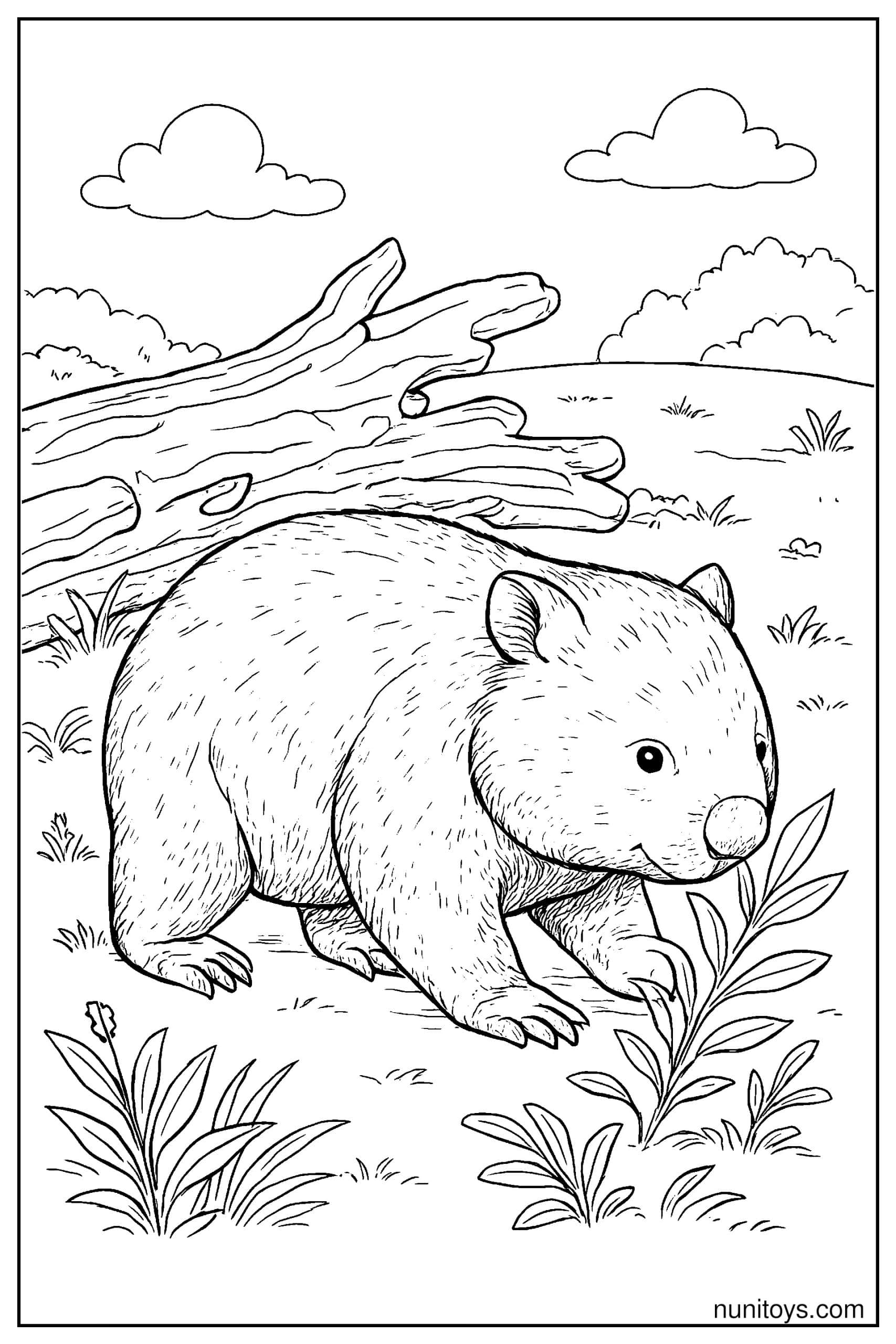
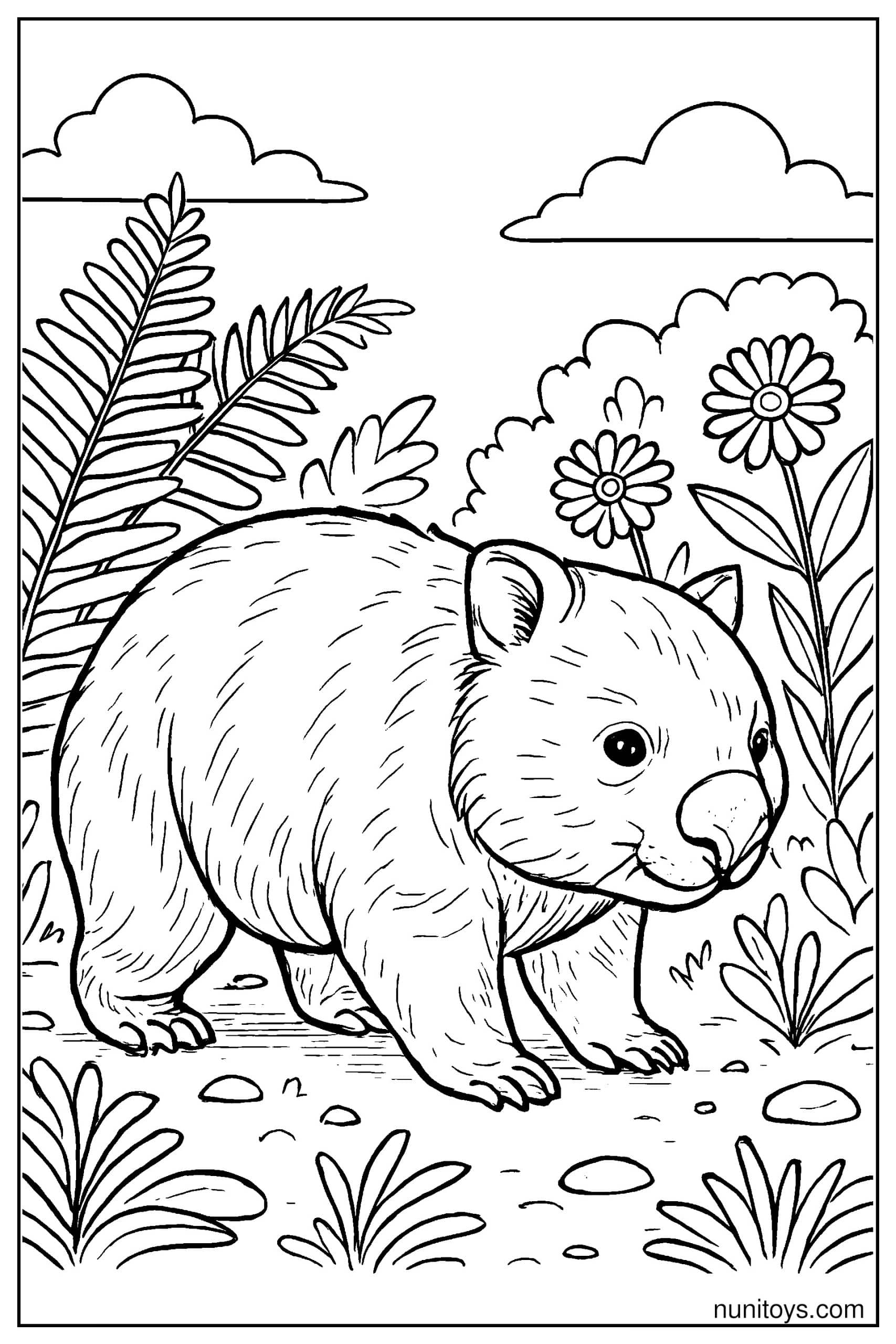
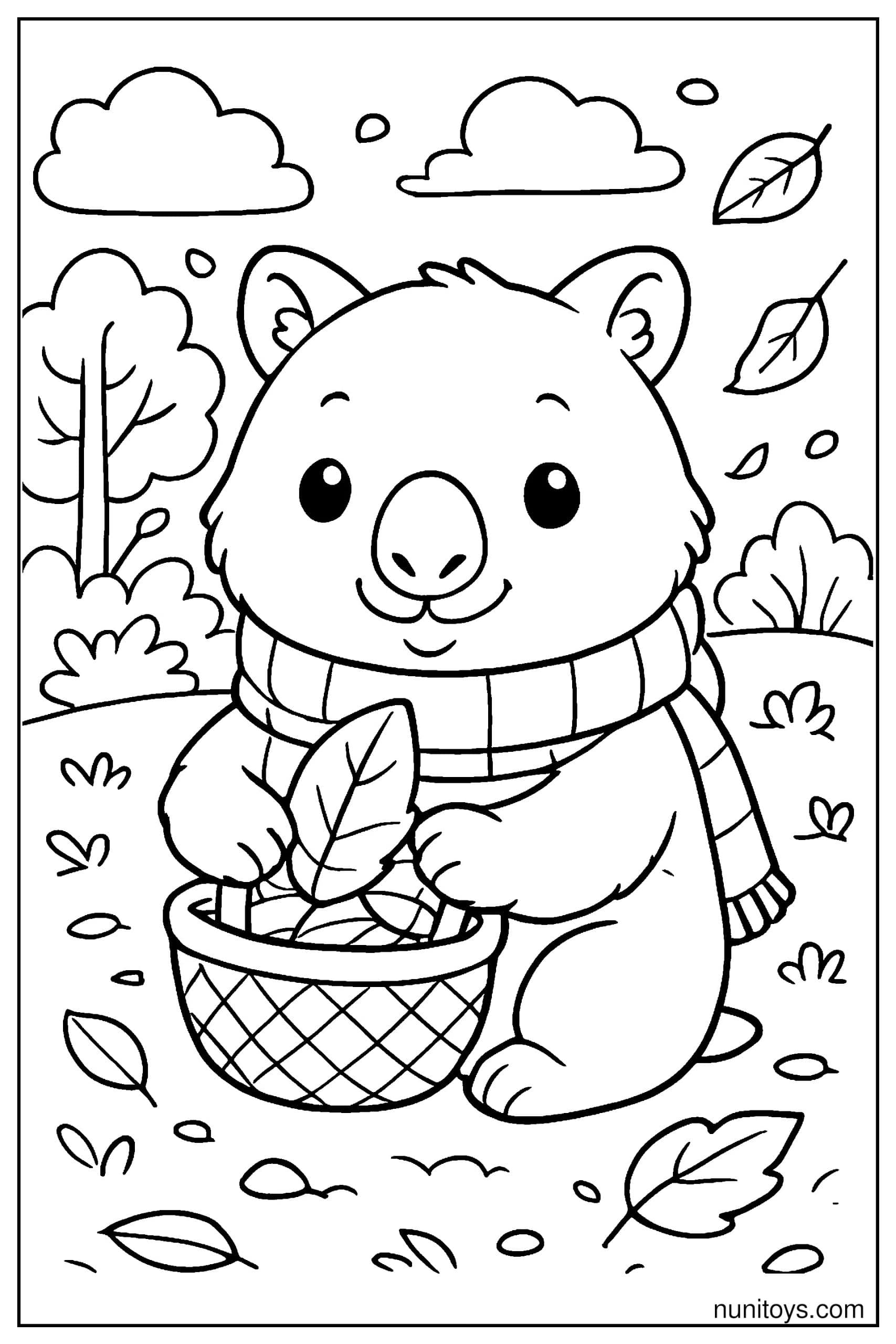
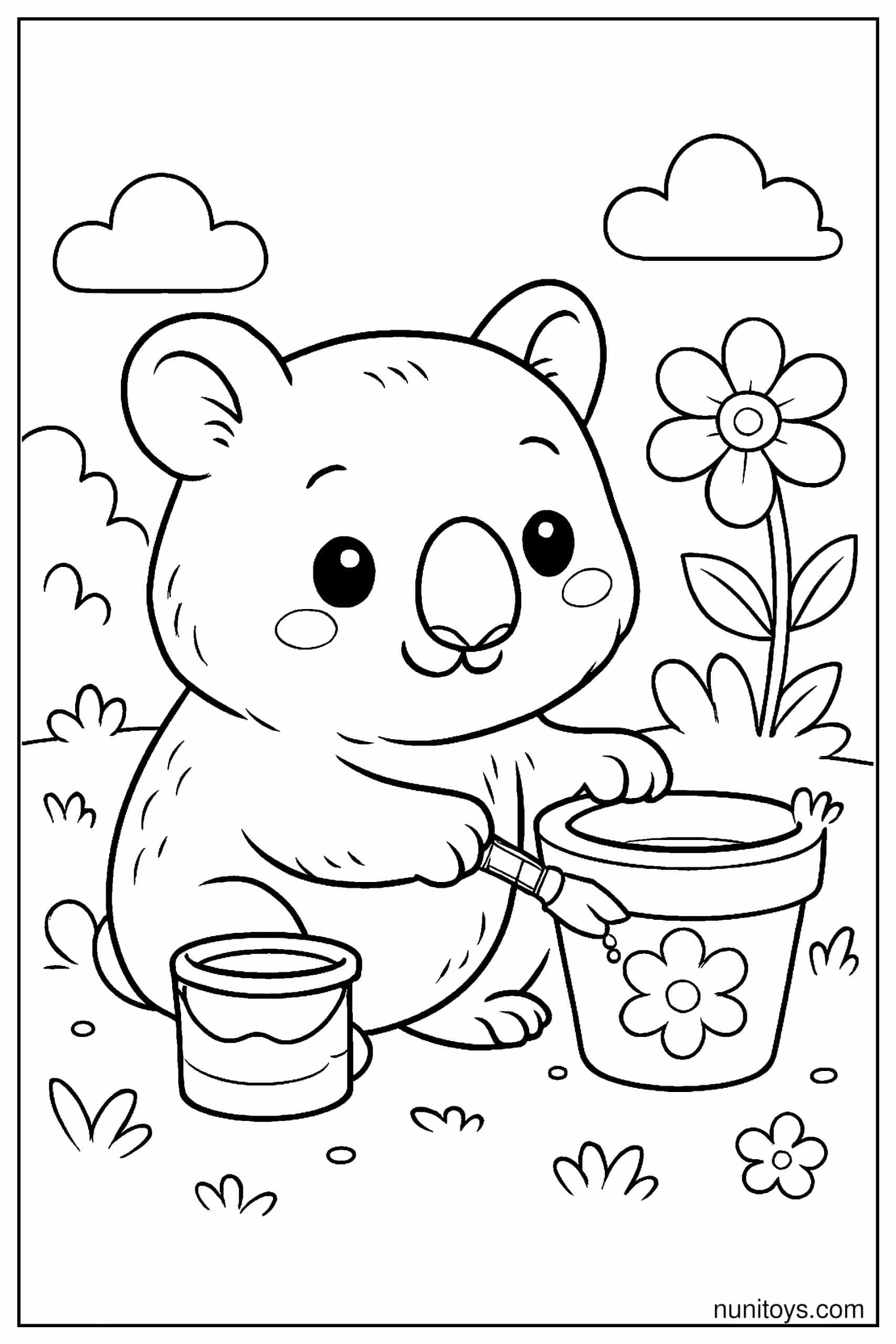
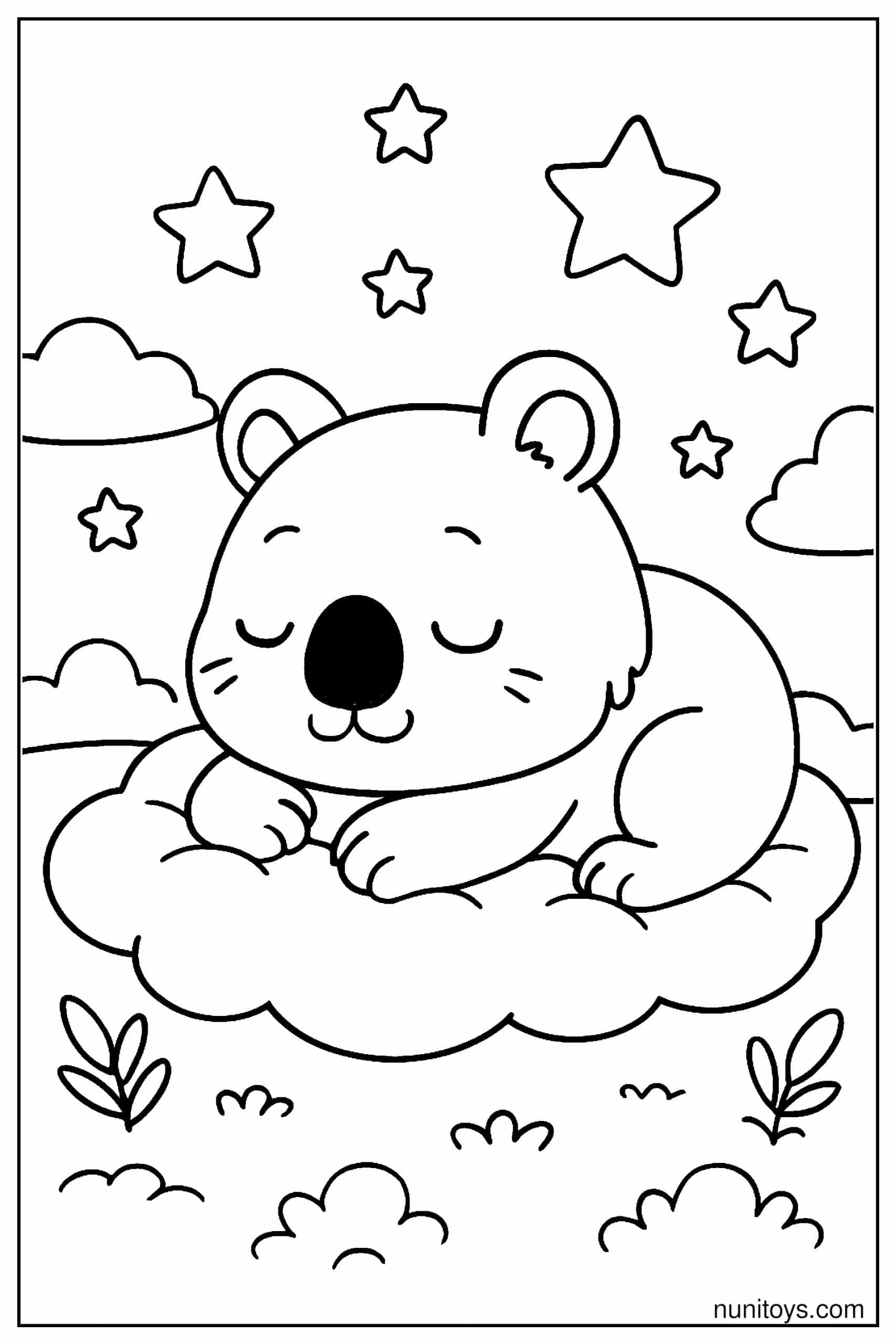
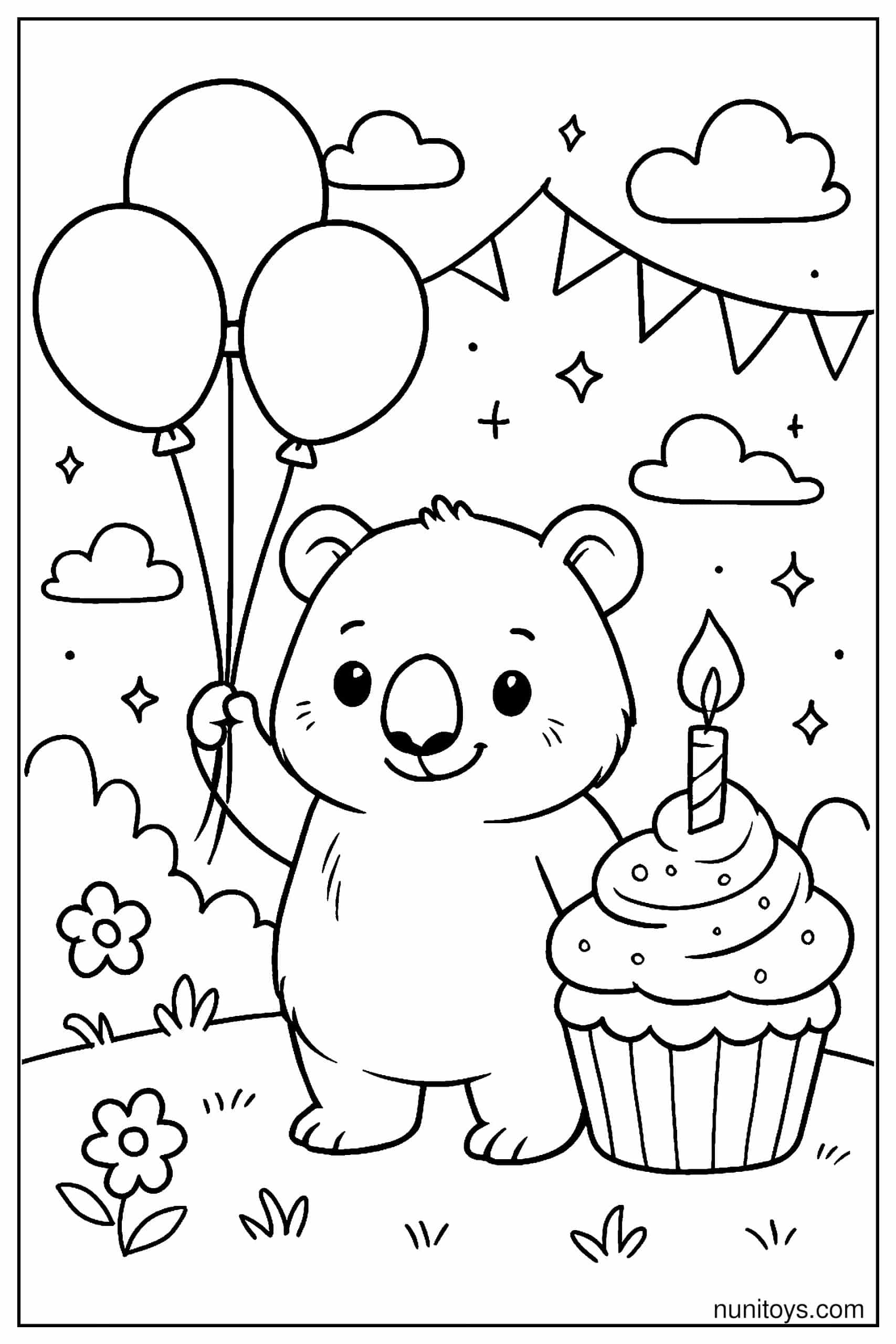
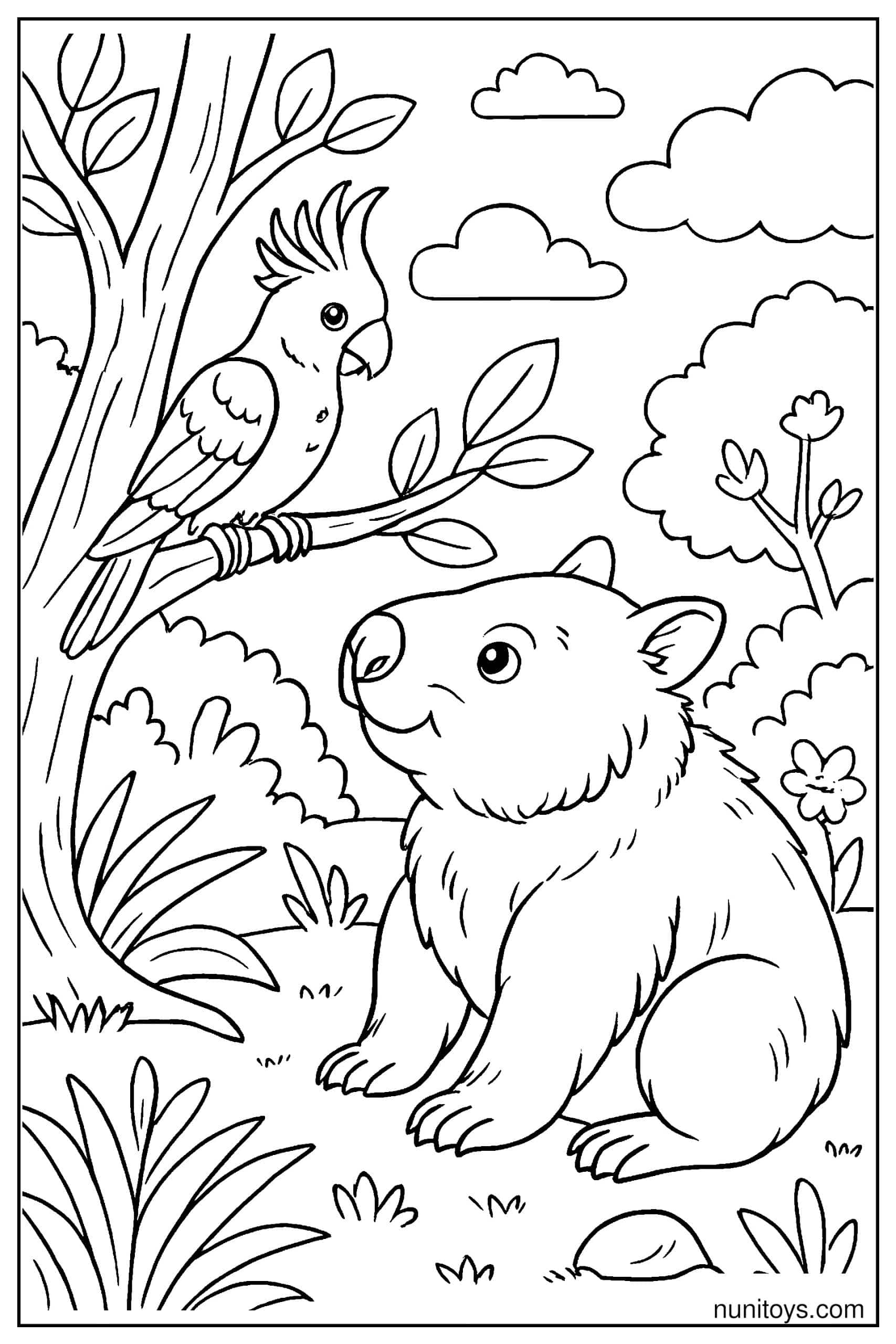
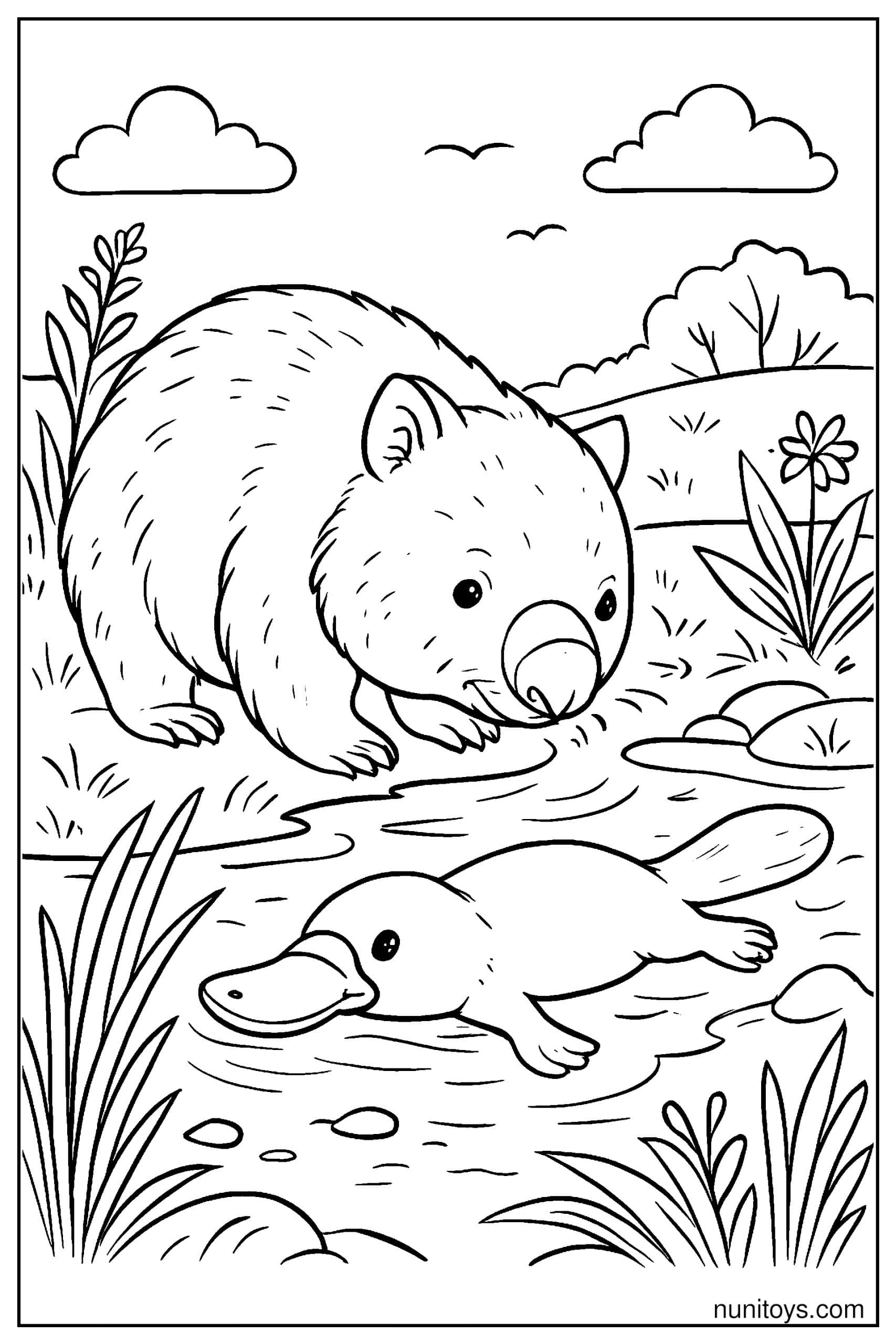
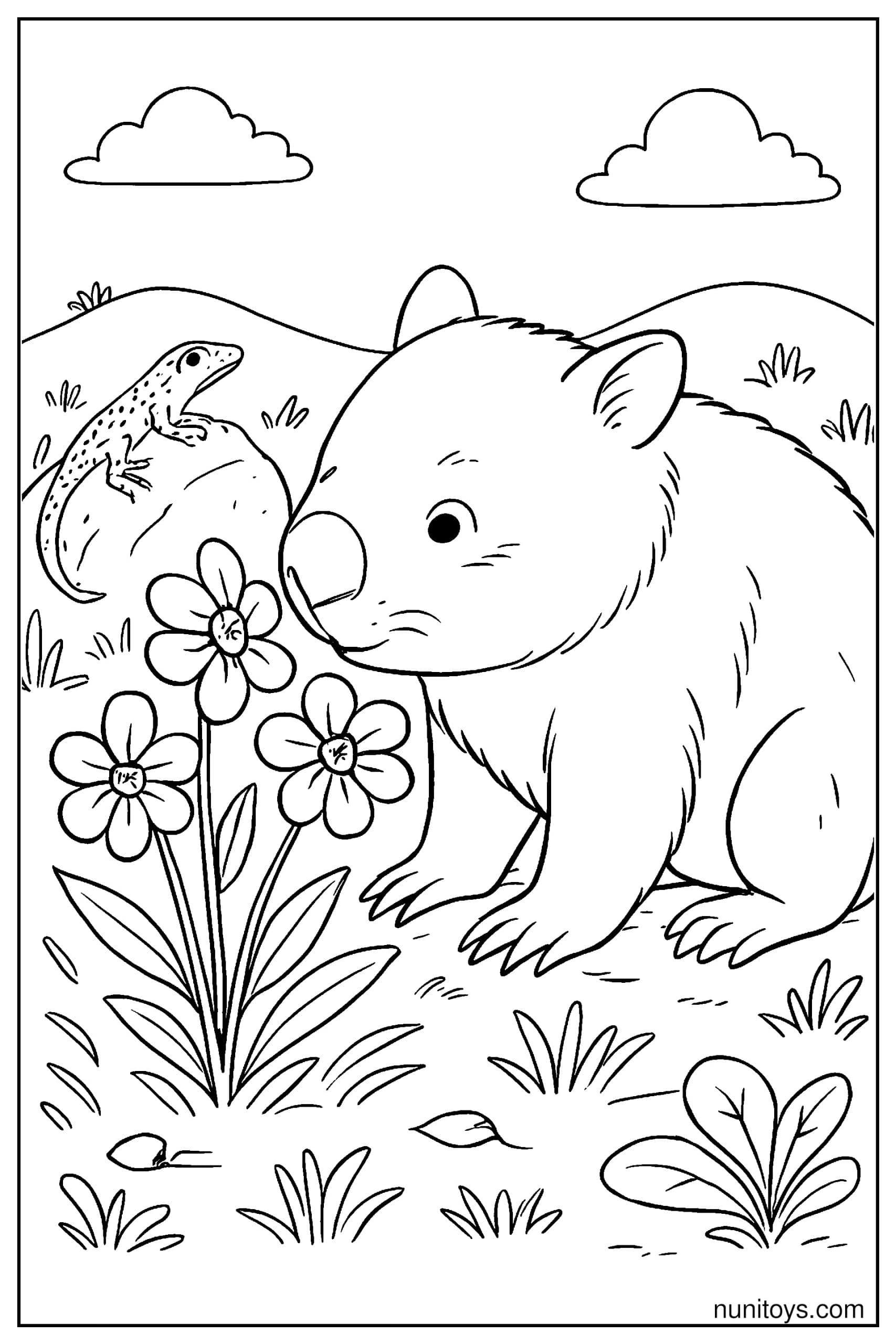
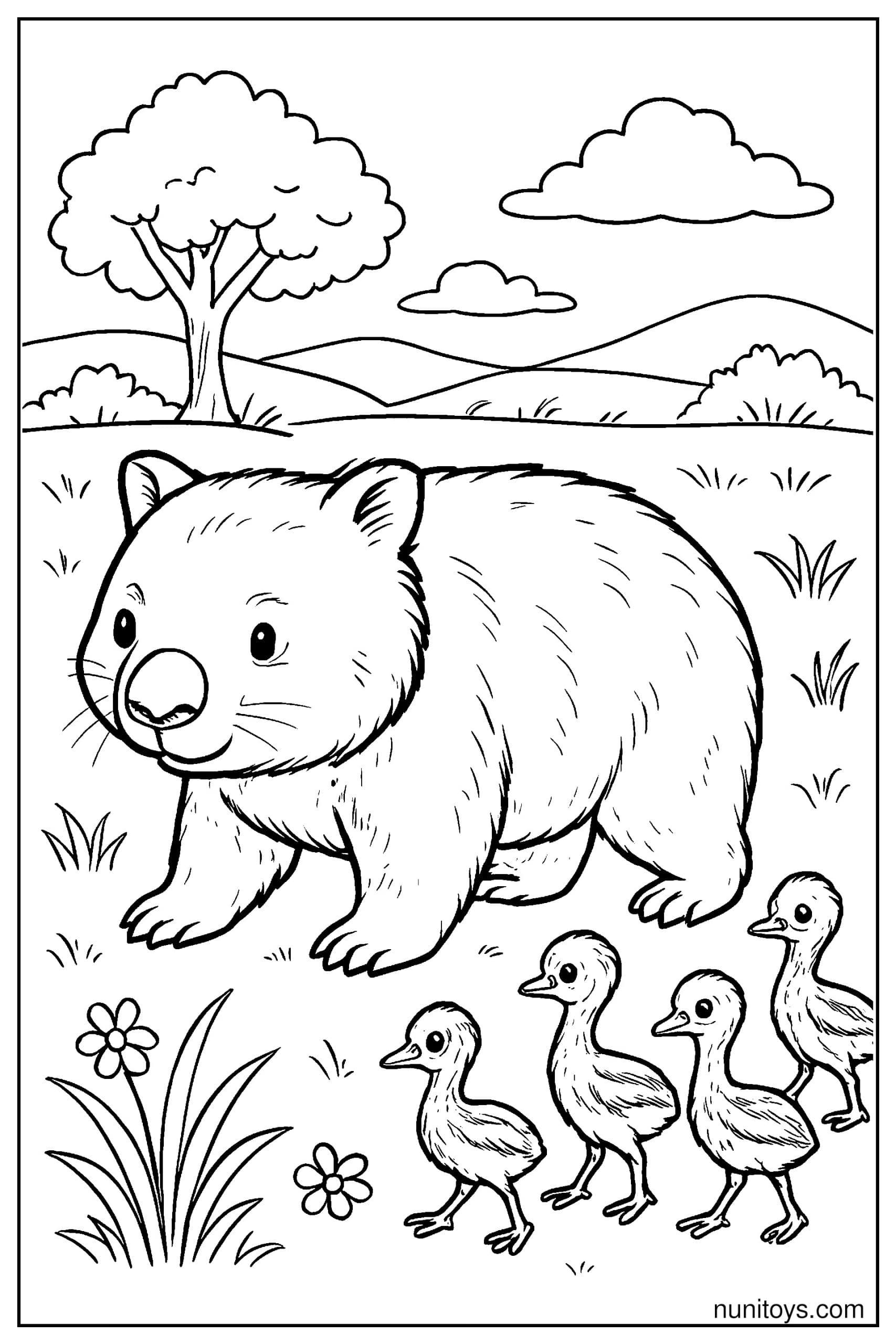
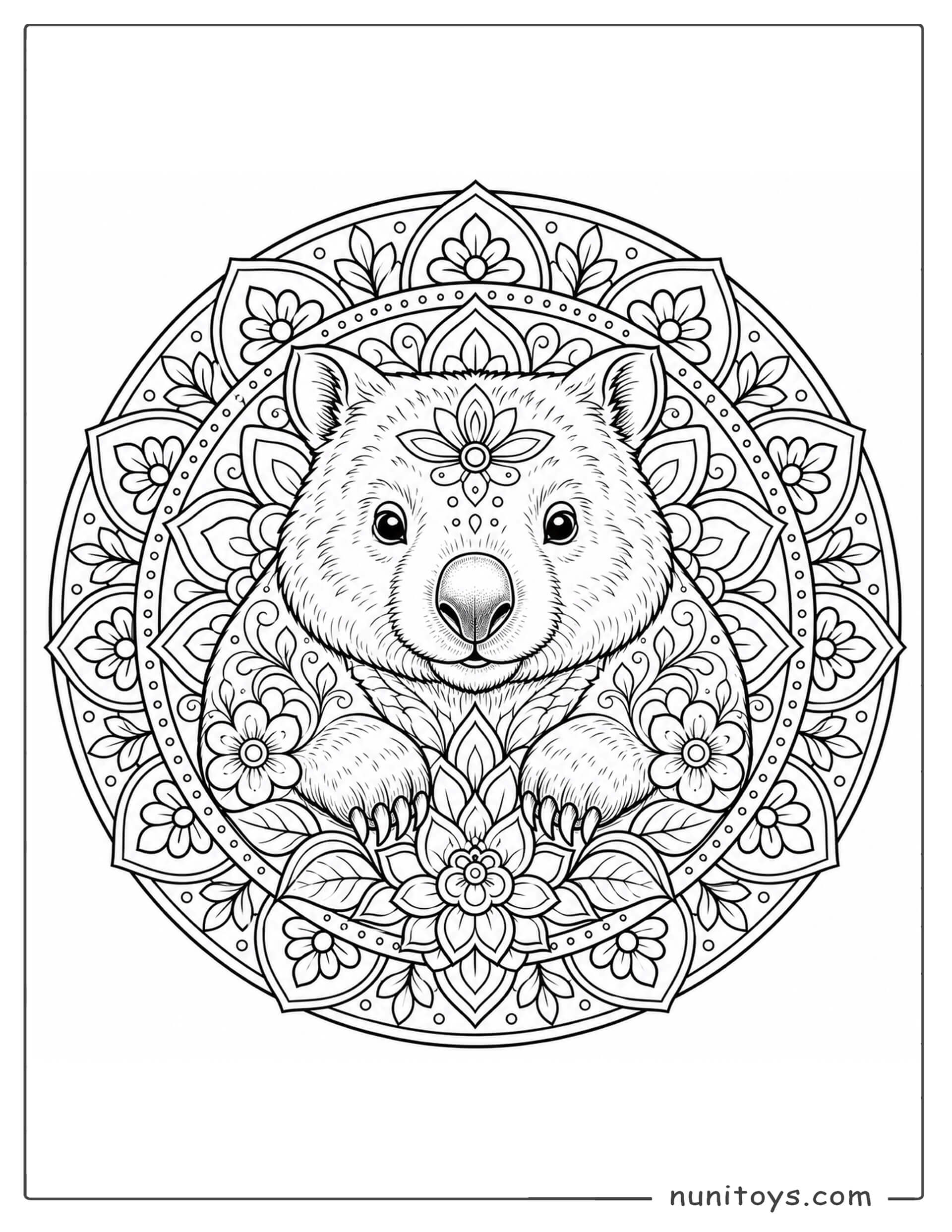
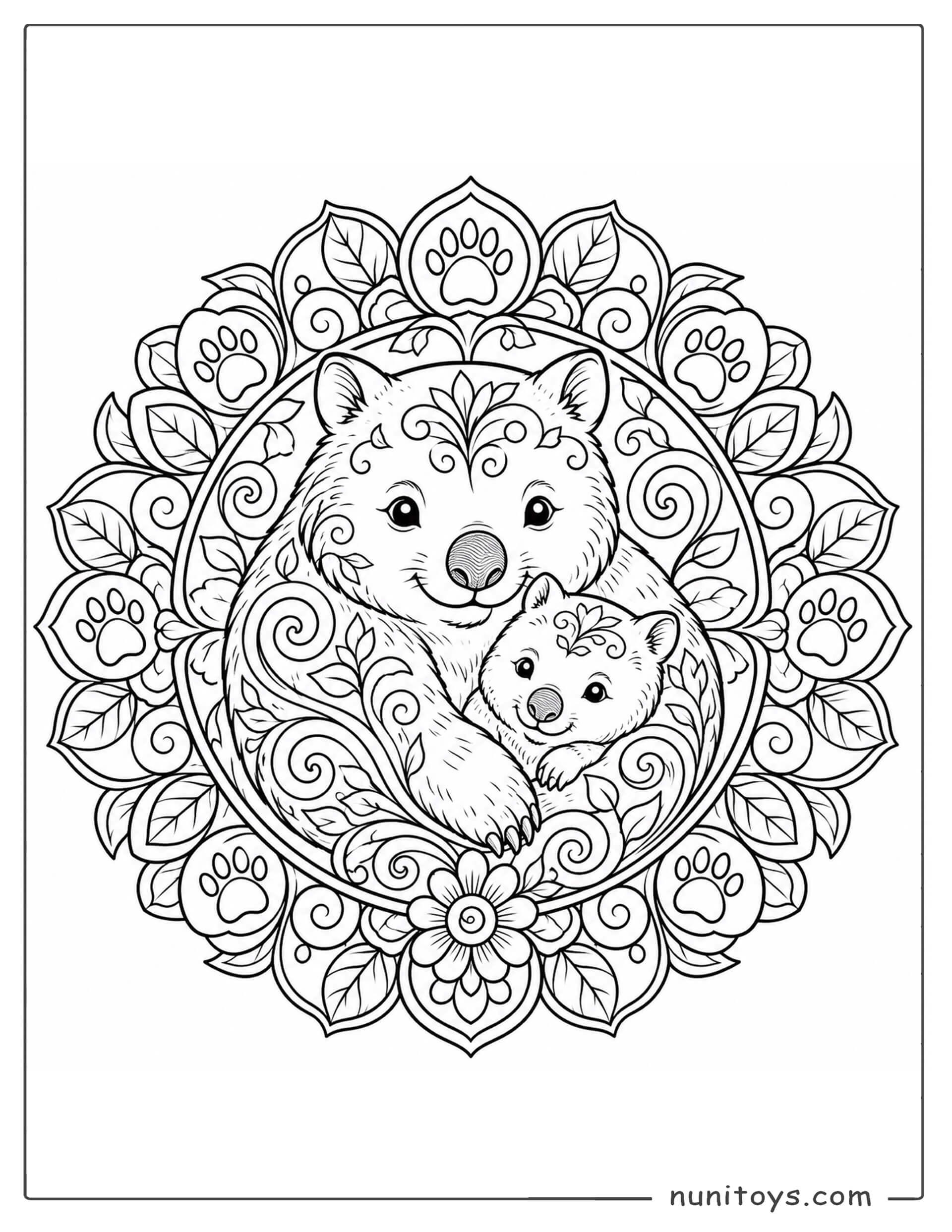
Wombat coloring pages can become more than a finished picture. Their burrows, paws, rounded shapes, and Australian wildlife theme make them useful for craft time, classroom animal projects, storytelling activities, and simple home decorations. With paper, glue, scissors, crayons, and a few extra materials, children can turn their wombat artwork into something fun and hands-on.
1. Wombat Burrow Scene
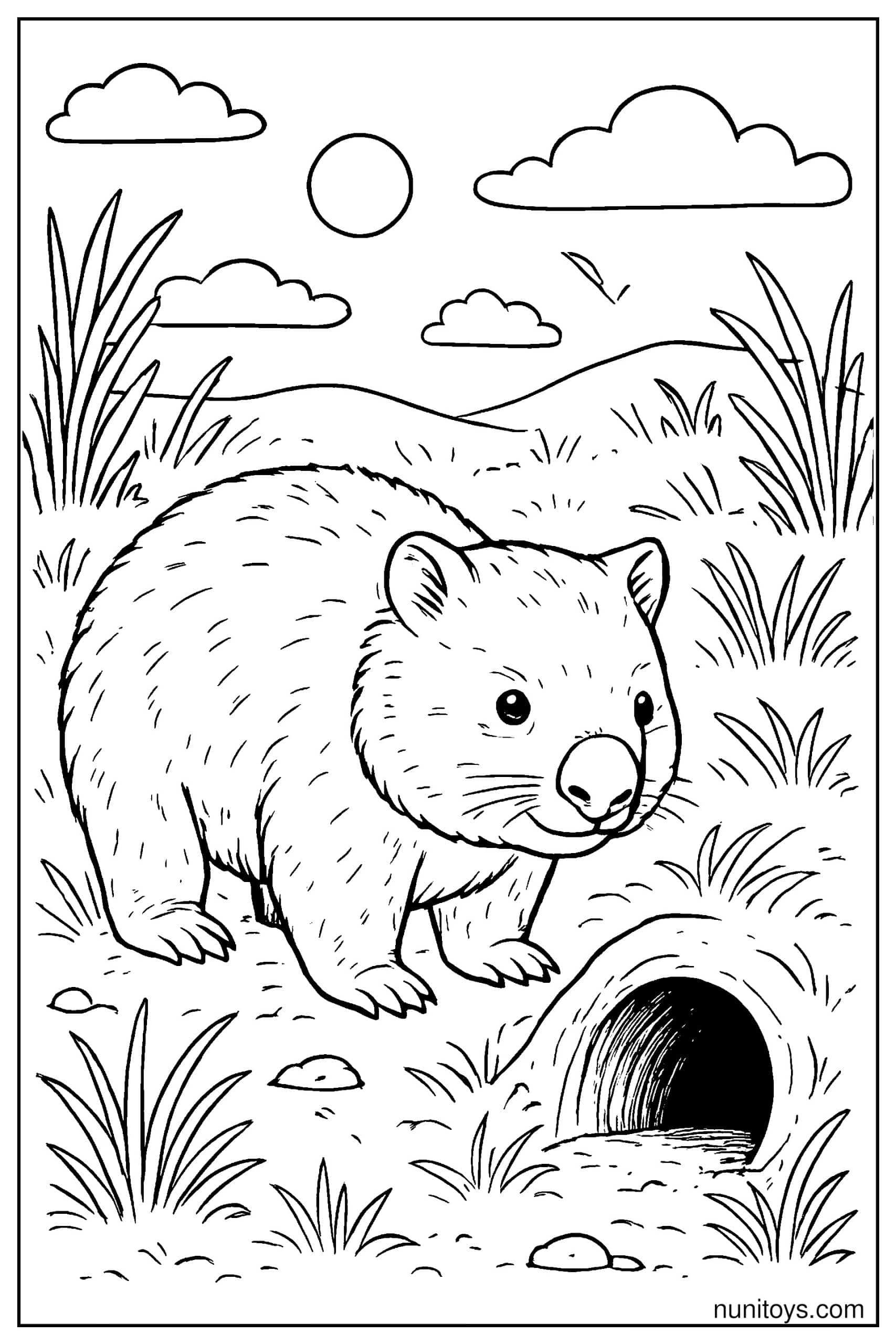
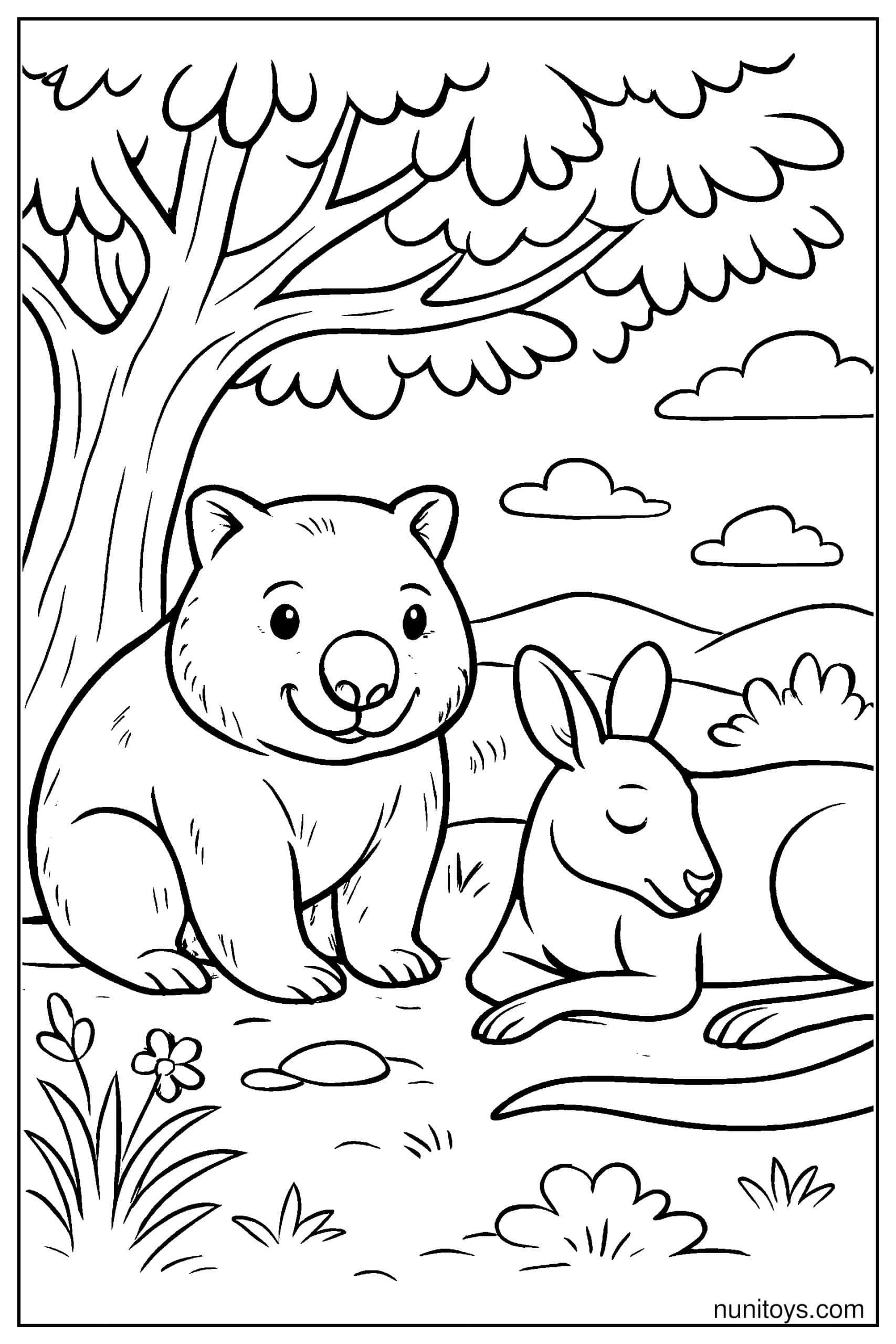
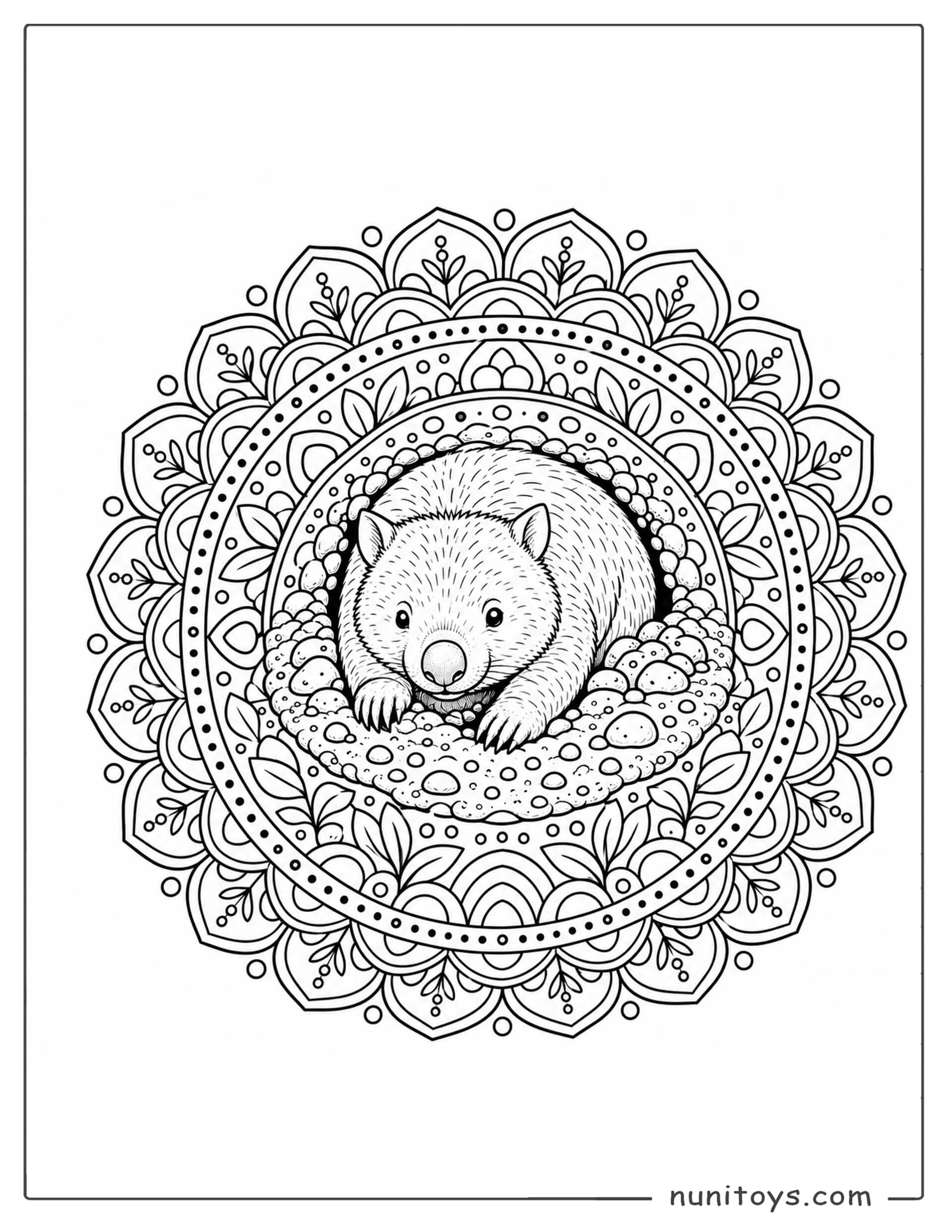
After coloring the wombat, children can place it inside a larger burrow scene. Use brown paper for soil, green paper for grass, and small cutouts for roots, stones, leaves, or insects. The wombat can sit near the entrance or appear partly inside the burrow. This project helps kids connect the animal with its habitat and gives them a chance to build a scene layer by layer. It works especially well for lessons about animals that dig, hide, or live close to the ground.
2. Australian Animal Mini Book
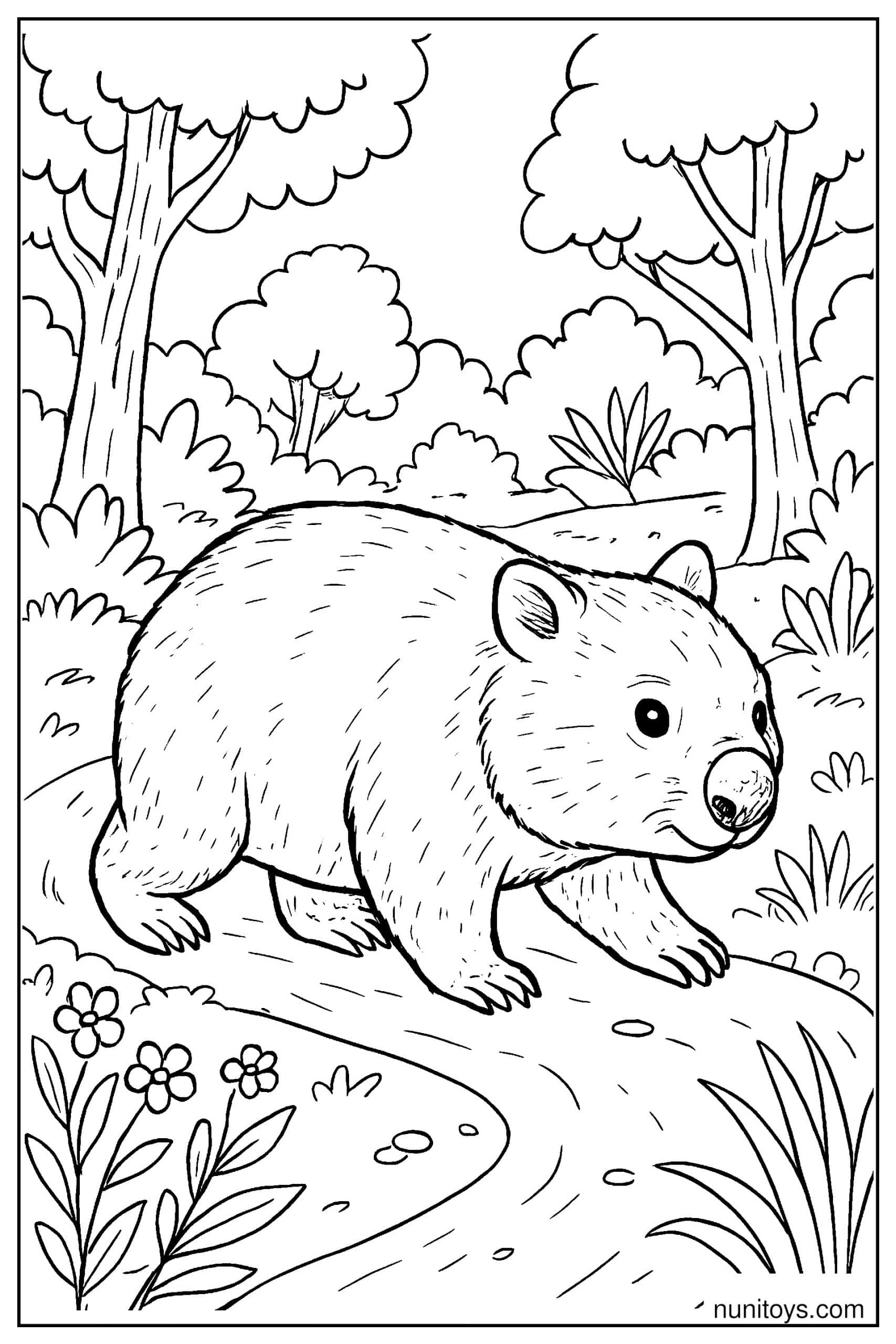
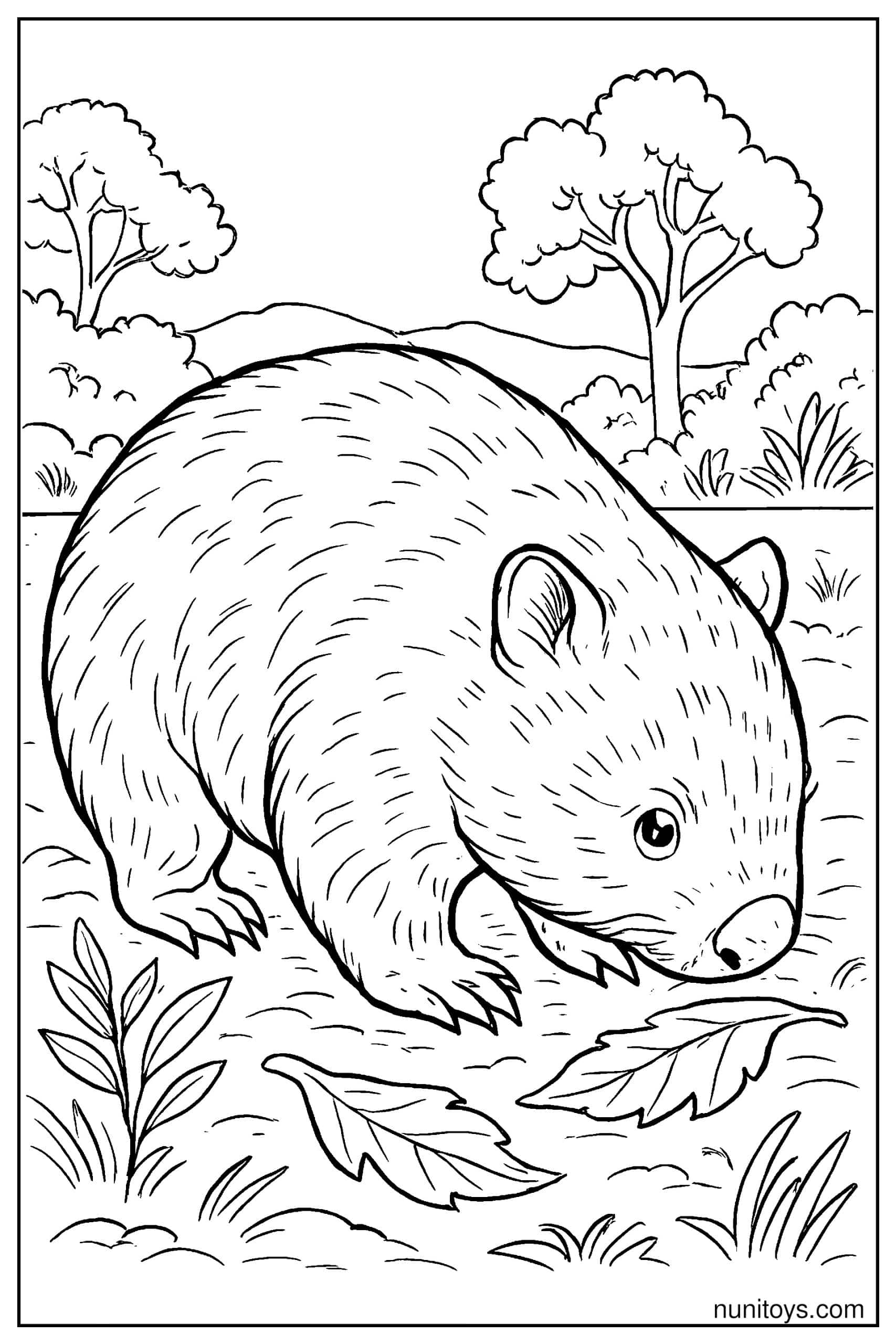
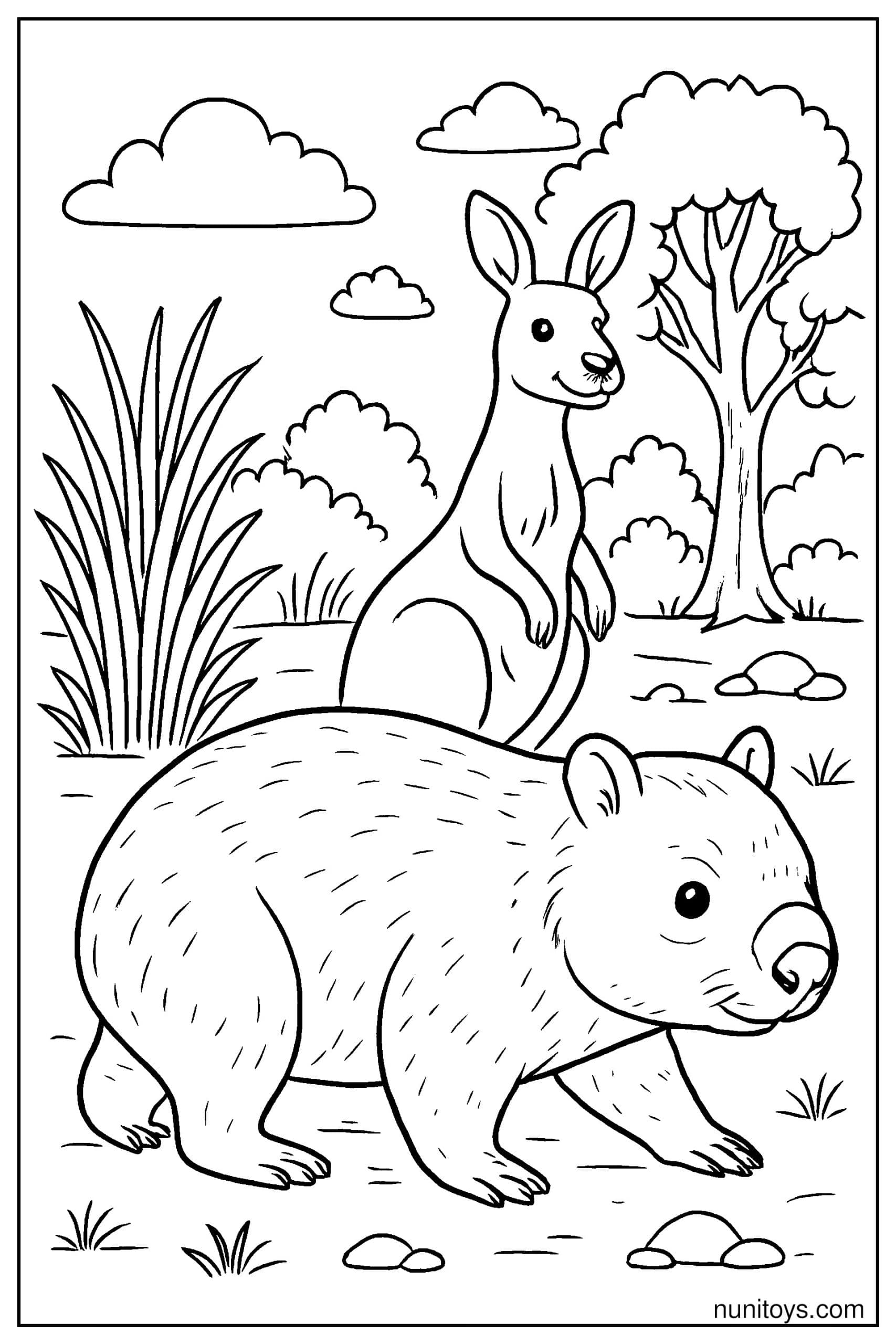
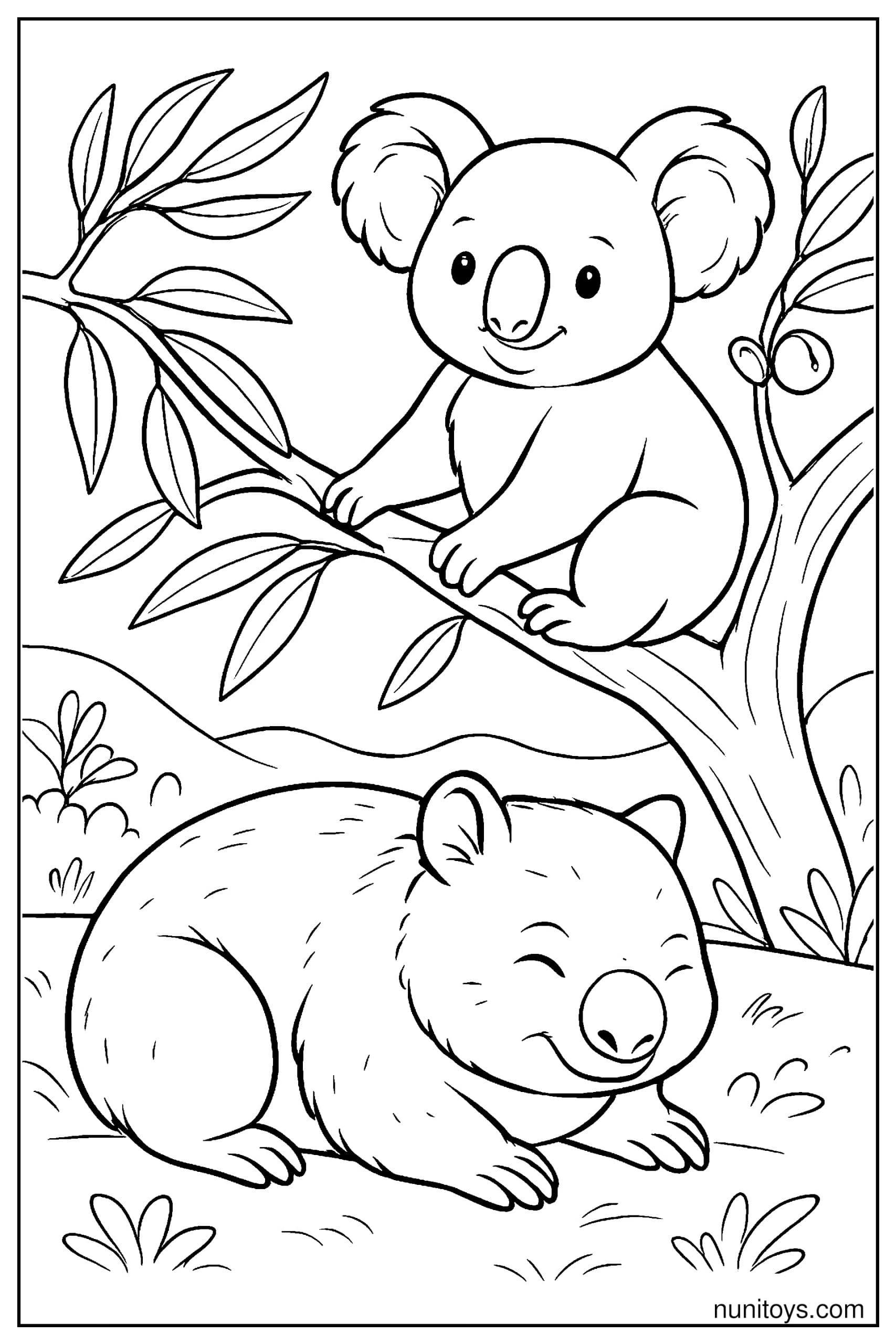
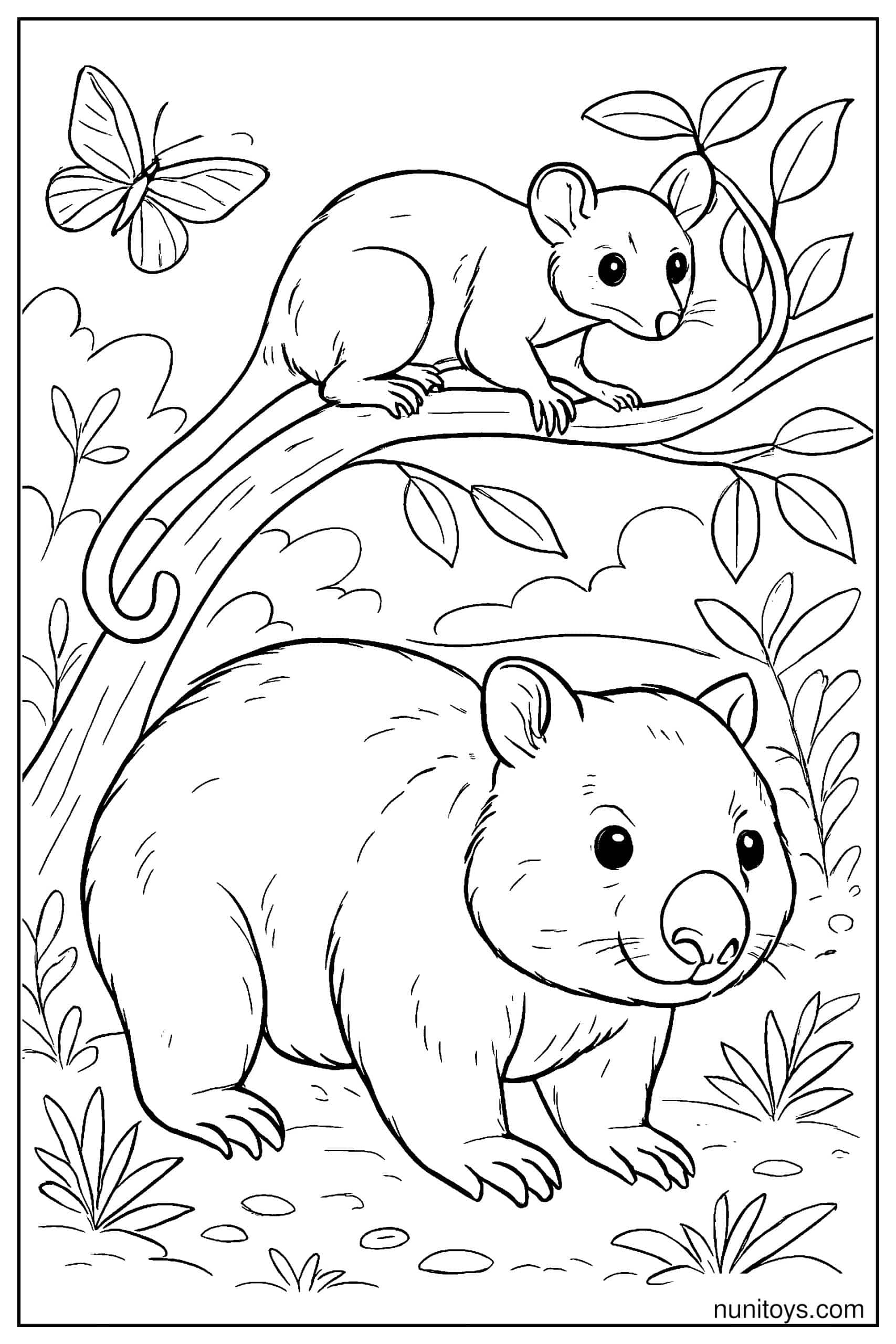
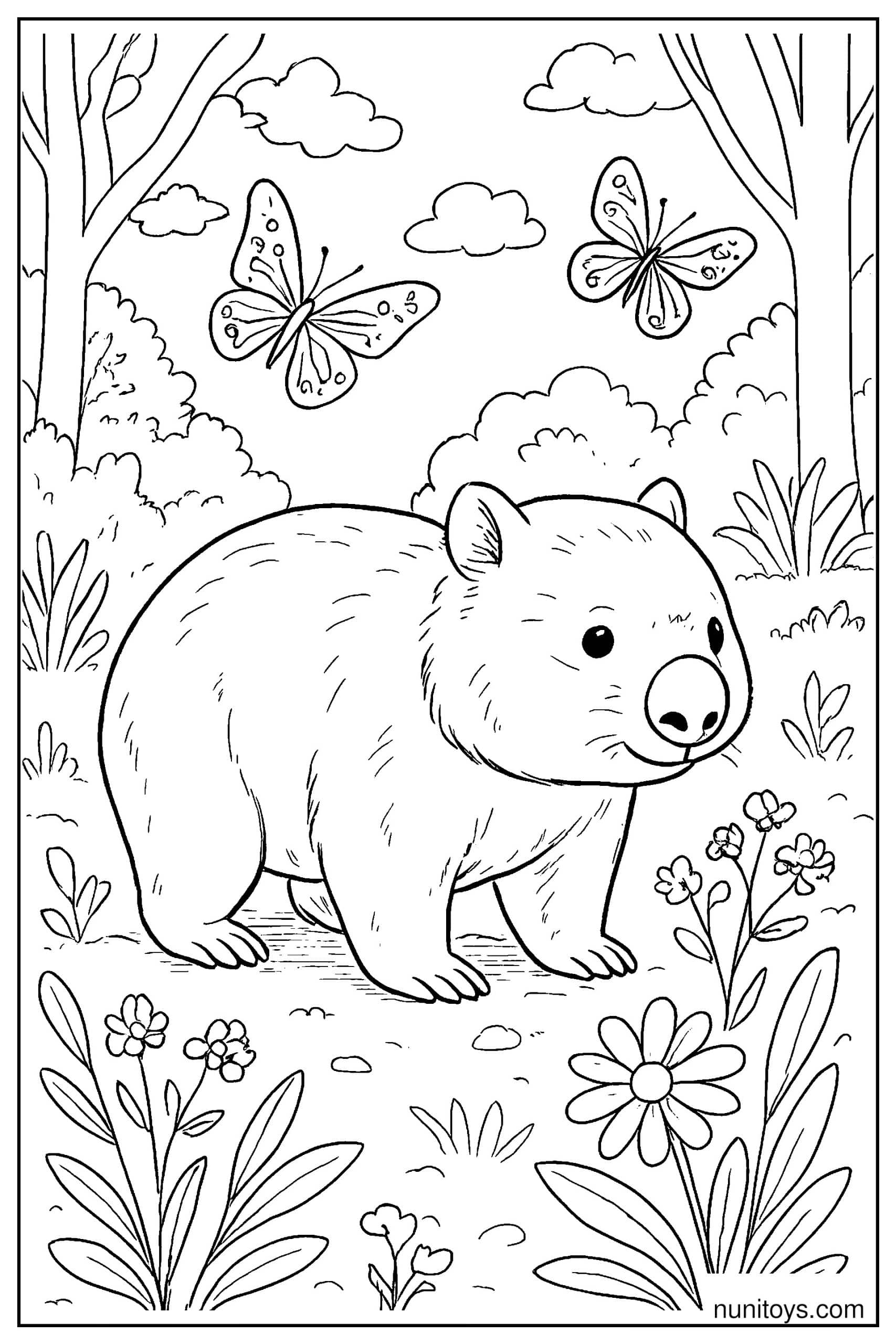
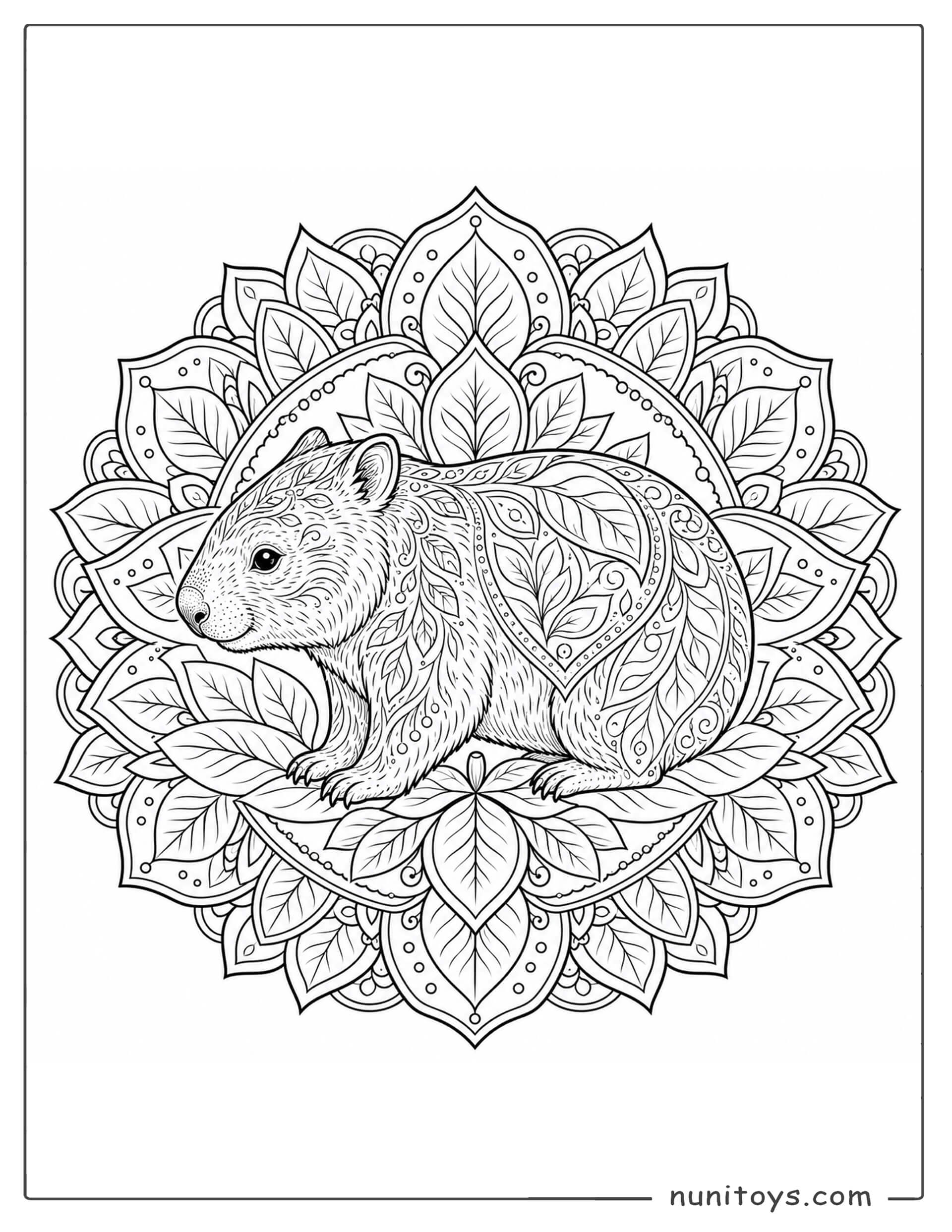
Several wombat coloring pages can become a small handmade book about Australian wildlife. Each page can show a different moment, such as a wombat walking, resting, digging, or standing near plants. Children can add short sentences under the pictures, like “The wombat digs a burrow” or “The wombat walks through the grass.” Add other animals such as koalas, kangaroos, or platypuses for a wider nature theme. This craft combines coloring, early writing, and animal learning in a simple way.
3. Wombat Paw Print Trail
Use the finished coloring page as the main picture, then add a trail of paper paw prints around it. Children can cut small oval shapes from brown or gray paper and glue them across a poster, leading to the wombat’s burrow or food. They can also decorate the trail with leaves, grass, and rocks. This activity is fun for kids who enjoy patterns and movement, and it gently introduces the idea that animal tracks can tell a story about where an animal has been.
4. Wombat Nature Fact Cards
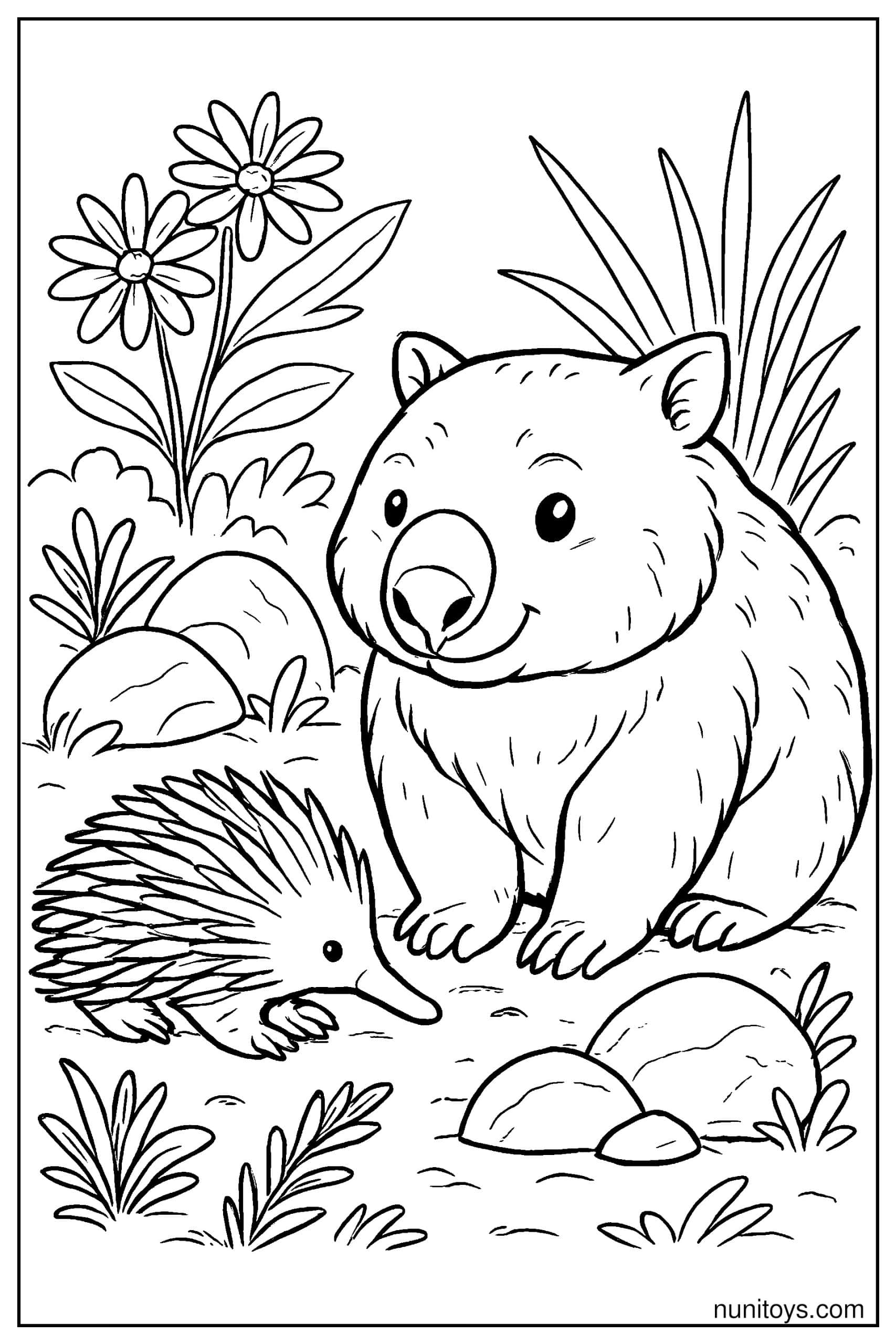
Cut out the colored wombat and glue it onto a sturdy card. On the back, children can write one simple wombat fact, such as “Wombats dig burrows” or “Wombats live in Australia.” Make several cards with different wombat poses or add other animals to create a small wildlife card set. The cards can be used for memory games, classroom sharing, or a nature display. This turns the coloring activity into a light educational project without making it feel too formal.
5. Cozy Wombat Wall Art
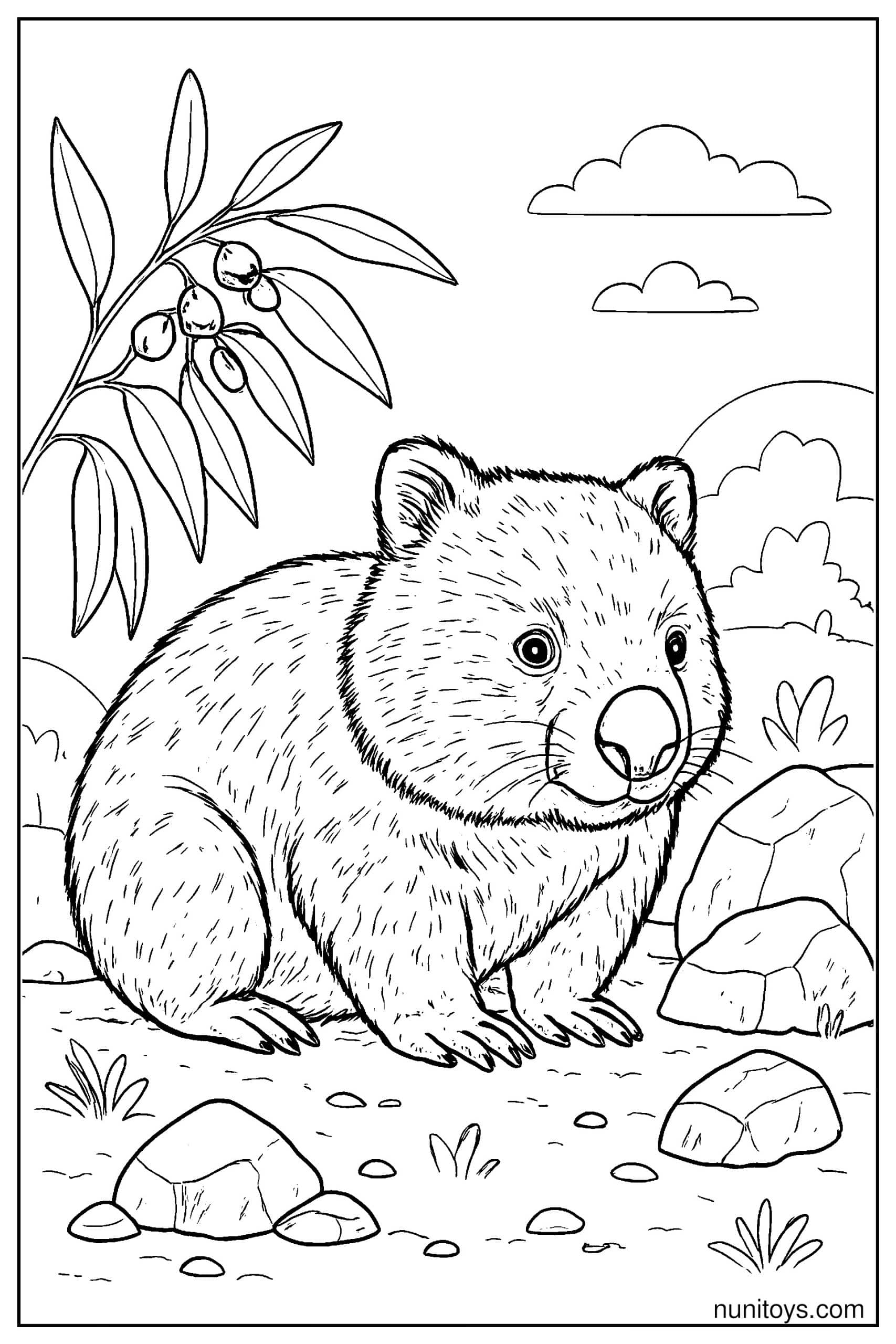
A finished wombat coloring page can become a sweet piece of wall art for a child’s room, reading corner, or classroom. Glue the page onto cardstock and add a paper frame with leaves, branches, flowers, or simple patterns. Children can choose soft natural colors or brighter shades to make the wombat feel more playful. This craft is easy to display and gives kids a sense of pride because their finished coloring page becomes part of the room decoration.
6. Wombat Story Puppet
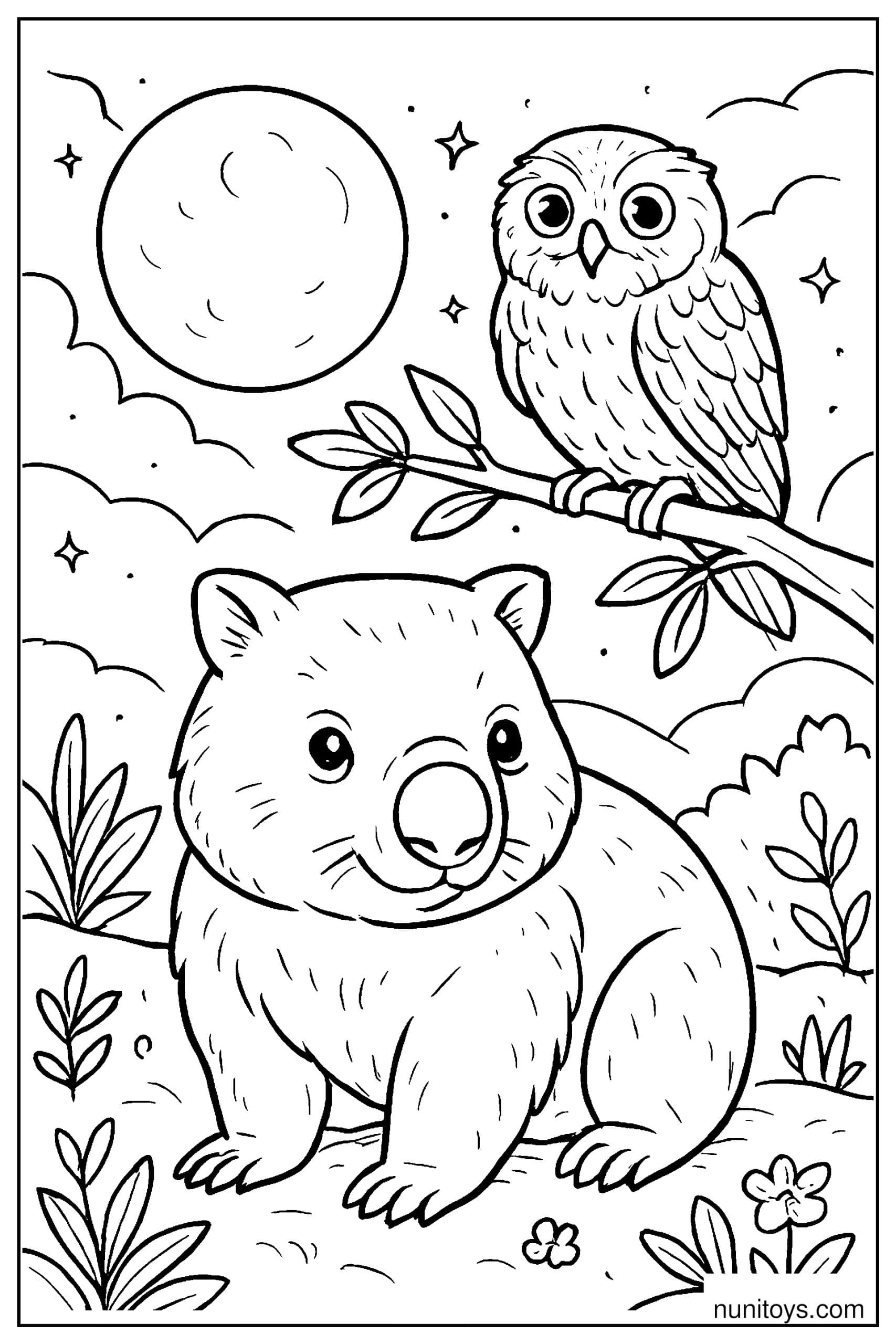
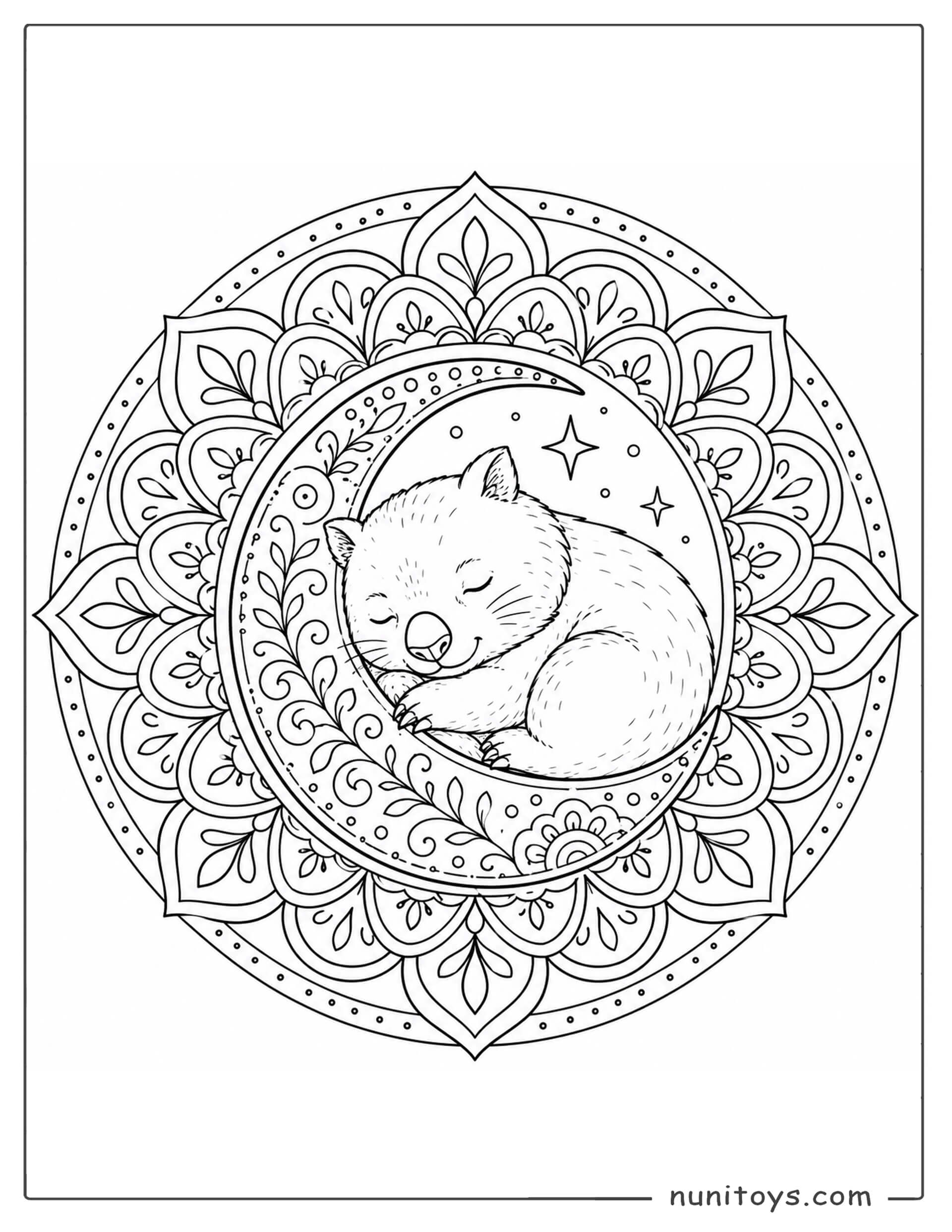
Color and cut out the wombat, then attach it to a craft stick to make a simple puppet. Kids can use it to tell a story about a wombat digging, exploring, meeting other animals, or finding its way home. Add extra paper props like a burrow, tree, moon, or snack leaves to make the story more engaging. This idea supports imagination, speaking practice, and creative play, especially for children who enjoy acting out animal adventures.